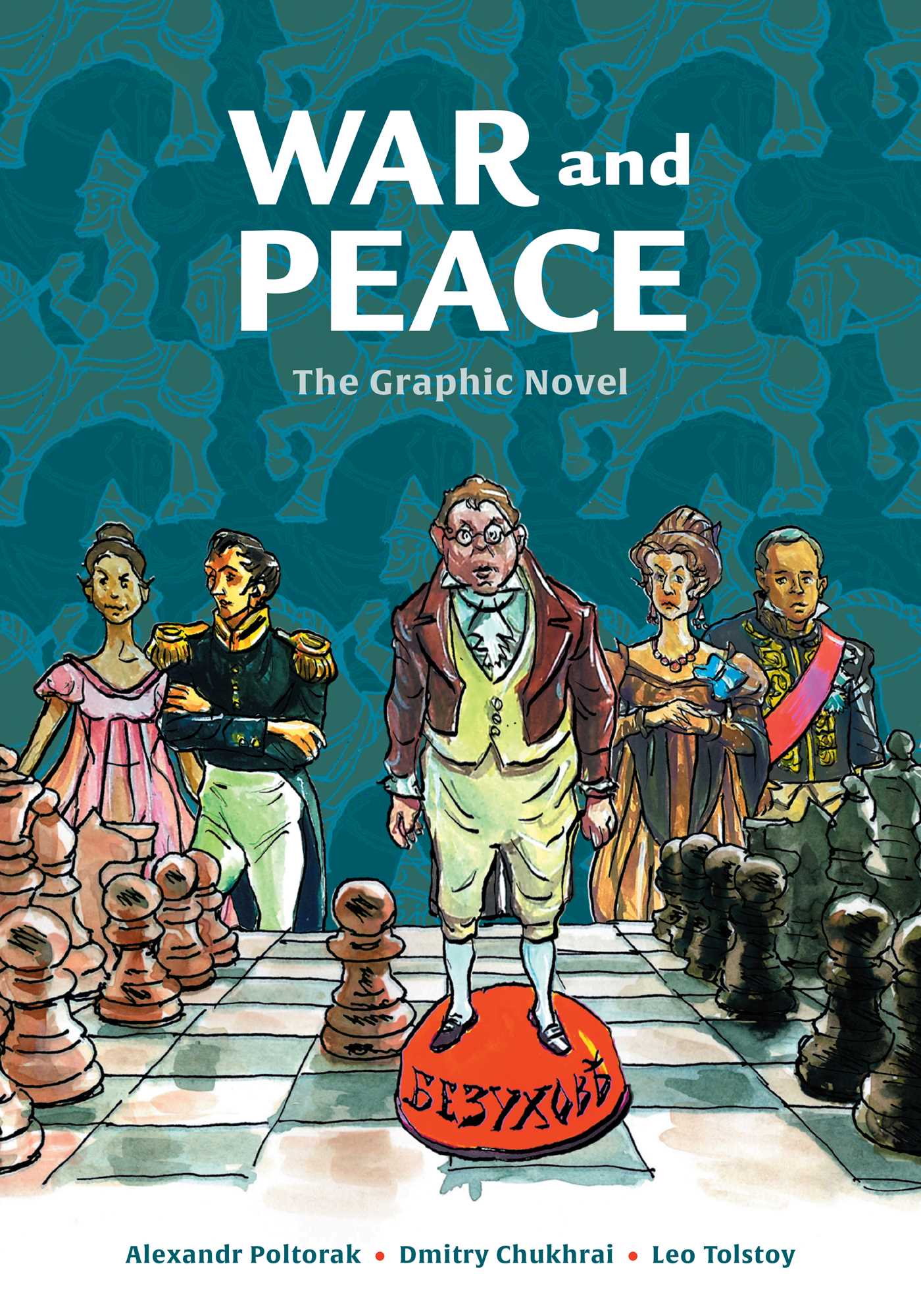
In the history of world literature, only a very small number of works transcend the boundaries of an ordinary novel to become intellectual phenomena – spaces of contemplation in which each generation of readers must re – engage through their own lived experience. War and Peace by Leo Tolstoy is precisely such a work.
Many readers initially feel intimidated by the novel’s monumental length, its complex network of characters, and its deliberate narrative pace. Yet it is precisely these elements that enable Tolstoy to construct a fictional world of rare depth – one in which history is no longer a series of rigid events, but a living current shaped by human destinies. Once immersed in this world, readers soon realize that every page carries the weight of history, the depth of philosophy, and the authentic pulse of lived experience.
War and Peace is not merely a chronicle of military conflicts among European powers in the early nineteenth century. More profoundly, it exposes the silent wars within the human soul: the struggle between ideals and reality, between personal ambition and moral responsibility, between religious faith and existential doubt. As a reader and a writer, I believe this novel is not simply “a classic one should read,” but a transformative reading experience – one that compels serious reflection on humanity, history, and the self.
1. Introduction to the Author and the Work
War and Peace is the greatest masterpiece of Leo Tolstoy, the towering Russian writer of the nineteenth century and one of the central pillars of world realist literature. Tolstoy was not only a novelist, but also a thinker, moral philosopher, and social critic whose influence has profoundly shaped modern intellectual thought.
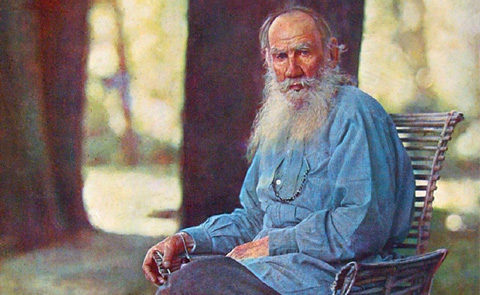
Born into a noble family and having served directly in the military, Tolstoy experienced war firsthand. These experiences allowed him to perceive the stark contrast between romanticized myths of military glory and the brutal reality of the battlefield. Such personal encounters became the experiential and ideological foundation of War and Peace, written between 1865 and 1869, when Tolstoy’s artistic vision and philosophical thinking had reached full maturity.
Tolstoy’s greatness lies not only in his narrative mastery, but in his critical historical vision. He rejected simplistic explanations of history, refused to deify great men, and denied the absolute significance of military victory. In Tolstoy’s worldview, history is not the product of a few geniuses, but the cumulative result of countless small, often unconscious actions beyond anyone’s full control. War and Peace stands as his most powerful artistic manifesto of this belief.
2. Summary of the Plot
Set in early nineteenth-century Russia during the Napoleonic Wars that swept across Europe, War and Peace offers a comprehensive portrayal of Russian society – from the imperial court and aristocracy to soldiers and peasants – through the interwoven fates of several prominent families.
At the center of the novel are three major narrative lines: the Rostov family, the Bolkonsky family, and Pierre Bezukhov. Each represents a distinct mode of existence and a different spiritual quest for meaning.
Pierre Bezukhov – The Search for the Meaning of Life
Pierre, the illegitimate son of a wealthy count, unexpectedly inherits a vast fortune. Rather than bringing him peace, this sudden wealth plunges him into profound existential confusion. He experiments with marriage, secret societies, philosophy, religion, and social reform, yet each path leads to disappointment.
Only when war strips away the protective layers of aristocratic life and forces Pierre to confront death, suffering, and the absurdity of violence does he begin to understand that life’s meaning does not reside in abstract theories, but in compassion, empathy, and living for others.
Prince Andrei Bolkonsky – Idealism, Disillusionment, and Awakening
Prince Andrei Bolkonsky embodies the young aristocratic intellectual driven by heroic ideals and the desire for historical glory. Yet the battlefield – especially the Battle of Austerlitz – shatters these illusions, revealing the insignificance of individual ambition before the vast currents of history.
After the death of his wife and the collapse of his romantic hopes, Andrei descends into deep skepticism. Only in his final moments does he reach enlightenment: forgiveness and universal love outweigh all personal glory.
Natasha Rostova – The Vitality of Life and Emotion
Natasha Rostova represents natural vitality and emotional intensity. From an innocent young girl to a woman matured through error and suffering, Natasha embodies humanity’s capacity for spiritual renewal. Imperfect and unidealized, she feels profoundly human, which makes her one of the most vivid female figures in world literature.
War, History, and Collective Fate
Alongside personal narratives, Tolstoy devotes extensive attention to military campaigns, particularly Napoleon’s invasion of Russia in 1812. However, he does not depict history as heroic epic; instead, he exposes war as chaos, where no one truly commands destiny. War thus appears as a collective human tragedy, in which the greatest suffering is borne by ordinary, nameless individuals.
3. Thematic and Artistic Value – The Intellectual Depth Behind Its Canonical Status
Thematic Value: History Seen Through Ordinary People
Tolstoy demystifies history by rejecting the absolute role of “great men.” Napoleon is portrayed not as a superhuman genius, but as a man deluded by his own sense of power. Conversely, Tolstoy restores significance to individual lives and small, authentic human actions.
War and Peace as Inner States
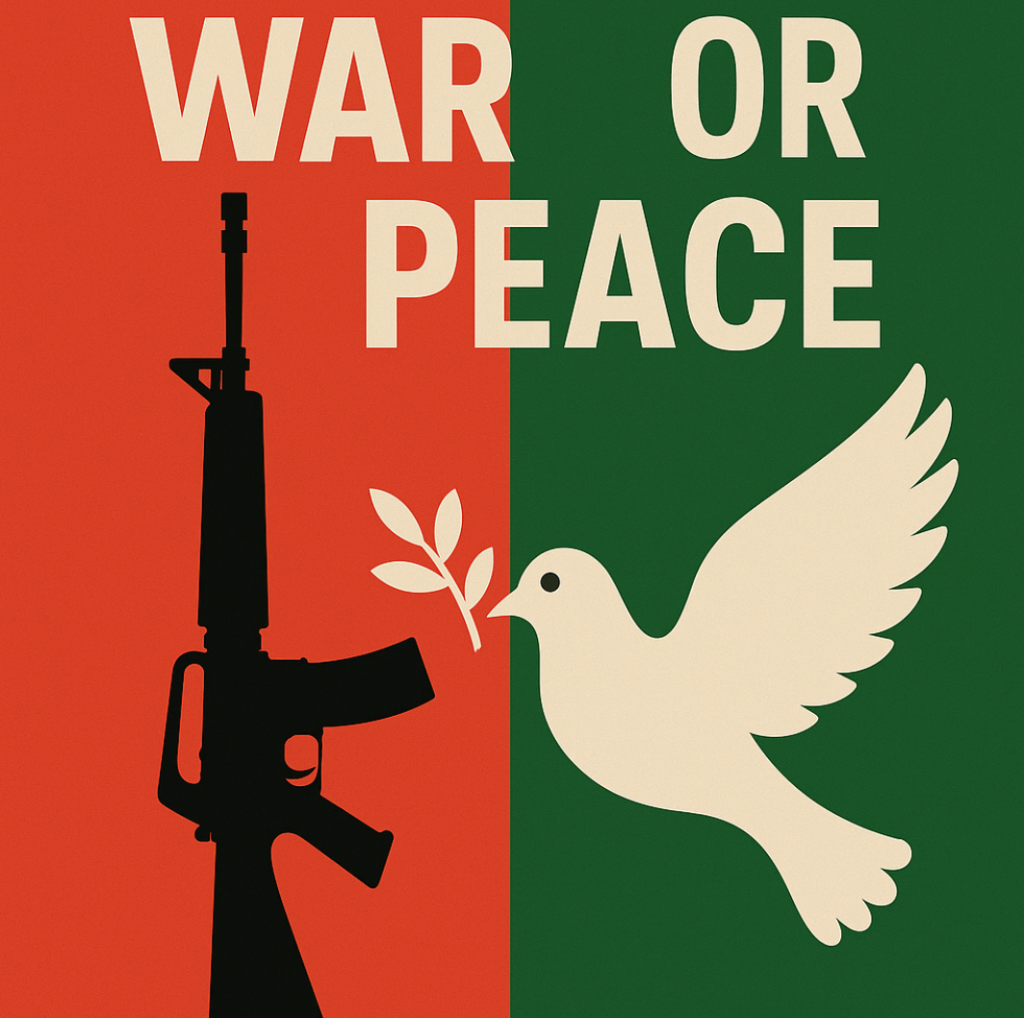
For Tolstoy, war exists not only in society, but within the human soul. True peace is not the absence of conflict, but an inner reconciliation – achieved when individuals transcend egoism to live responsibly toward others.
Love, Family, and Morality as Human Foundations
Beneath the depictions of war lies Tolstoy’s enduring faith in fundamental moral values: family, love, sacrifice, and forgiveness. Human growth does not come through heroic deeds, but through the ability to recognize fault, forgive, and love.
Artistic Value
Artistically, War and Peace stands as a pinnacle of the realist – philosophical novel, seamlessly blending narrative, psychological analysis, and philosophical reflection. Characters are not static but evolve continuously, allowing each rereading to reveal new layers of meaning.
4. Memorable Quotations
One reason War and Peace retains its enduring vitality lies not only in its monumental plot or rich cast of characters, but also in its philosophically charged language, which distills Tolstoy’s humanistic worldview. These quotations are not mere dialogue, but contemplative conclusions about humanity, history, and morality – issues that remain deeply relevant today.
“All men think of changing the world, but no one thinks of changing himself.”
→ A famous moral declaration emphasizing that genuine social change must begin with inner transformation.
“There are no great men in history; only people carried along by the flow of events.”
→ A clear articulation of Tolstoy’s demystification of history and rejection of hero worship.
“The meaning of life does not lie in personal happiness, but in living for others.”
→ A core idea of the novel, affirming moral responsibility as the foundation of meaningful existence.
“War is not an act of heroism, but the destruction of all human values.”
→ A definitive condemnation of war’s inhuman essence, opposing romanticized narratives of violence.
“A person truly lives only when he knows how to love and forgive.”
→ A statement that encapsulates the spiritual journeys of many characters.
Additional profound reflections further enrich Tolstoy’s intellectual landscape:
- “Happiness never depends on external circumstances, but on how one perceives and accepts life.”
- “People believe they act freely, yet they only understand their actions after events have occurred.”
- “Death reveals that love is the only thing untouched by time.”
- True greatness lies not in power, but in the ability to live simply and sincerely.”
Together, these quotations deepen the novel’s philosophical resonance and explain why War and Peace continues to be reread, cited, and reinterpreted across cultures and historical contexts.
5. Conclusion
War and Peace is not a book to be read hastily. It demands time, patience, and a reflective mindset. In return, it offers readers an expansive vision of humanity and history, and a rare understanding of war and peace – not only in society, but within the human soul.
Transcending its literary value, War and Peace stands as a monumental intellectual work that urges readers to slow down, think deeply, and live with greater responsibility toward themselves and the world. For me, it is not merely a masterpiece of Russian literature, but a spiritual milestone in the journey of being human. For anyone seeking a book capable of reshaping one’s view of life, War and Peace remains a worthy choice – whether as a first encounter or a return, read once more with a more mature perspective.