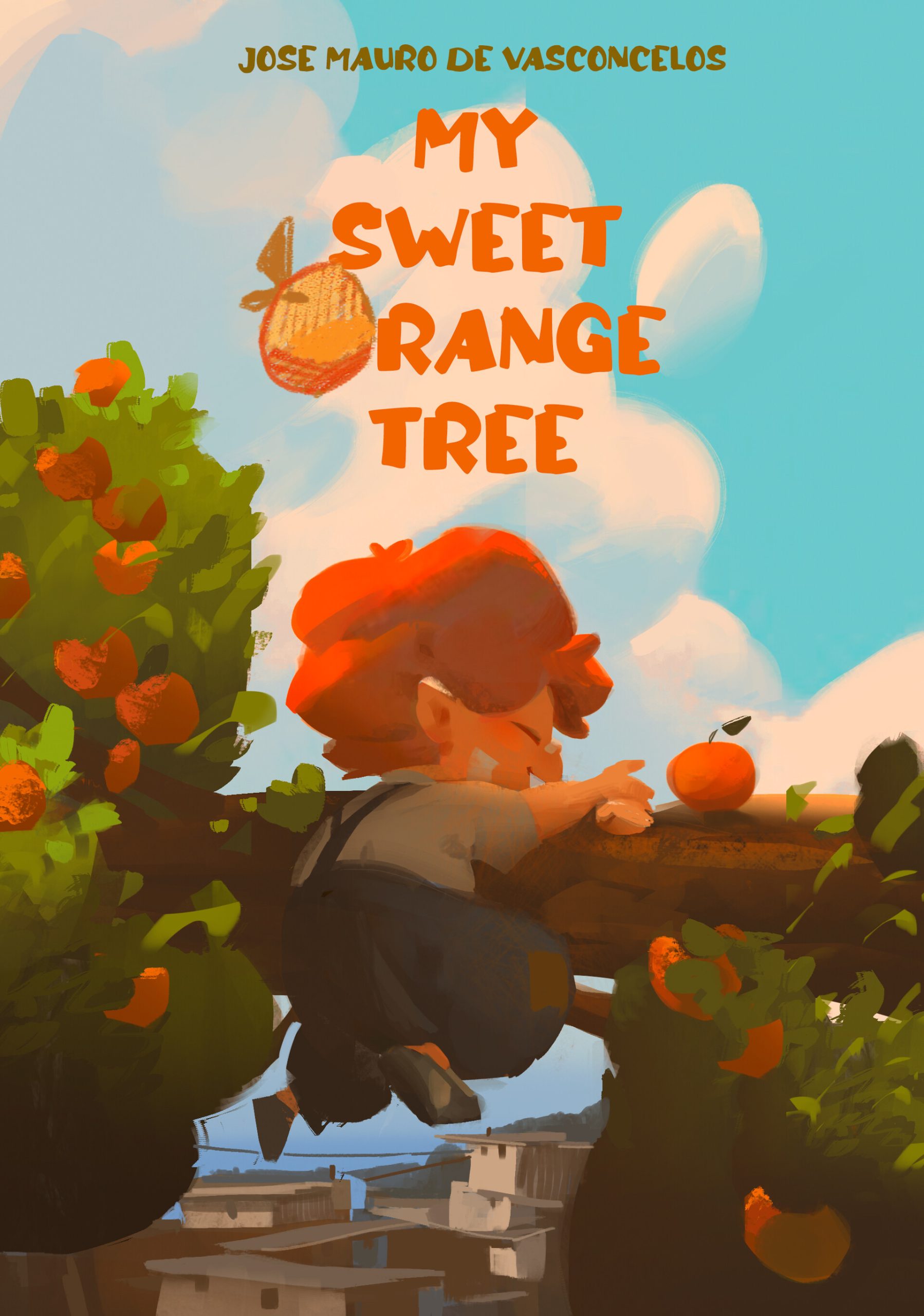
There are books written for children that somehow end up breaking adults’ hearts the most when they read them again years later. Without relying on dramatic tragedies or overly intense plot twists, sometimes just a few small fragments of childhood are enough to leave readers speechless long after the final page is turned. My Sweet Orange Tree is one of those rare works: gentle yet haunting, simple yet deeply capable of touching the most hidden corners of the human soul.
Since its publication, My Sweet Orange Tree has been regarded as one of the most moving and humanistic novels in Brazilian literature. The book is not merely a story about the harsh life of Zezé, a poor little boy growing up in a large struggling family, but also a touching journey of loneliness, emotional survival, and the longing to be loved and understood. Beneath the innocent and sometimes mischievous voice of a child lies a quiet world of emotional wounds and silent pain that many adults fail to notice.
What makes My Sweet Orange Tree so remarkable is the way José Mauro de Vasconcelos portrays childhood with such honesty and emotional depth. Childhood in this novel is not filled only with playful moments and innocent imagination. It also contains loneliness, emotional neglect, and the painful feeling of not belonging even within one’s own family. Zezé is intelligent, sensitive, and full of affection, always yearning for love and understanding, yet the world around him is often too harsh to recognize the tenderness hidden inside him. As readers move deeper into the story, they gradually begin to feel the quiet suffering concealed behind the boy’s rebellious and mischievous exterior.
It is no coincidence that My Sweet Orange Tree has moved millions of readers around the world for decades. The novel serves as a gentle reminder that children, too, carry deep emotional wounds. They feel pain, loneliness, and the need to be heard far more deeply than adults often realize. And sometimes, even the smallest act of genuine kindness and affection can become the light that saves an entire childhood.
1. José Mauro de Vasconcelos: The Writer Who Turned Childhood Memories into a Heartbreaking Literary Masterpiece
The Turbulent Life of José Mauro de Vasconcelos
The author of My Sweet Orange Tree is José Mauro de Vasconcelos, one of the most remarkable writers in twentieth-century Brazilian literature. He was born in 1920 in Rio de Janeiro into a poor family of Portuguese and Indigenous Brazilian descent. Unlike the warm and carefree childhood many people often associate with youth, José Mauro de Vasconcelos grew up surrounded by hardship, emotional deprivation, and poverty.
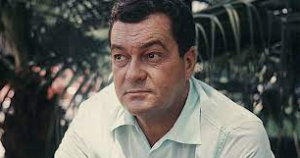
From an early age, he had to confront the harsh realities of life, the pressures of survival, and the loneliness that existed even within his own family. These experiences later became the emotional foundation for many of his literary works, especially My Sweet Orange Tree. In many ways, the novel is not merely a fictional story, but a deeply personal recollection of childhood written with sincerity, vulnerability, and lingering pain.
Before becoming a writer, José Mauro de Vasconcelos worked many different jobs to make a living. He was a fisherman, porter, laborer, boxing trainer, stage actor, and even a teacher. His years of struggling alongside ordinary working-class people gave him a close understanding of poverty and human suffering, particularly the lives of neglected children and forgotten individuals on the margins of society.
What makes José Mauro de Vasconcelos’s writing so distinctive is its rare authenticity. He did not write as a distant observer looking in from the outside. Instead, he wrote from memory, from lived experiences, and from emotional wounds he personally carried throughout his life. Because of this, his stories feel deeply human, painfully real, and emotionally intimate, allowing readers to connect with them on a profound level.
A Literary Journey and His Legacy in Brazilian Literature
José Mauro de Vasconcelos began gaining recognition in the 1960s and quickly became one of Brazil’s most beloved writers. Much of his work carries strong autobiographical elements, focusing on themes such as childhood, poverty, loneliness, emotional neglect, and the painful process of growing up.
His writing style was never overly elaborate or philosophically heavy, yet it possessed a remarkable emotional power. The stories he told were simple and accessible, but they stayed with readers for a very long time because of their honesty and deep humanity.
Throughout his career, José Mauro de Vasconcelos wrote more than twenty books. However, My Sweet Orange Tree remains his most famous and successful novel, the work that introduced his name to readers far beyond Brazil.
The novel has been translated into numerous languages, published in many countries, and adapted into films and television series. Even today, My Sweet Orange Tree is considered one of the most iconic novels ever written about childhood and continues to be cherished by generations of readers around the world.

The Birth of My Sweet Orange Tree and the Story Behind the Novel
My Sweet Orange Tree was first published in 1968 under its original Portuguese title, Meu Pé de Laranja Lima. The novel is highly autobiographical and was directly inspired by José Mauro de Vasconcelos’s own childhood experiences filled with poverty, loneliness, and emotional pain.
According to the author himself, he wrote the entire book in only twelve days. Yet behind those twelve days lay a lifetime of memories that had accumulated over many years. That is why every page of the novel feels emotionally raw and genuine, as though the author were reliving his childhood through every sentence he wrote.
What makes My Sweet Orange Tree particularly extraordinary is that despite dealing with poverty, physical punishment, family violence, and loss, the novel still retains a rare sense of tenderness and innocence. José Mauro de Vasconcelos never turns the story into an overly dramatic tragedy. Instead, he allows events to unfold naturally through the eyes of a sensitive and imaginative child.
It is precisely this contrast between a harsh reality and the dreamy inner world of childhood that transformed My Sweet Orange Tree into an emotional masterpiece of world literature. More than just a story about growing up, the novel is also a deeply moving reminder of the importance of love, understanding, and the silent emotional wounds people may carry with them throughout their entire lives.
2. Zezé’s Heartbreaking Childhood Journey in My Sweet Orange Tree
My Sweet Orange Tree tells the story of Zezé, a five-year-old boy living with his large and impoverished family in the suburbs of Rio de Janeiro, Brazil. From the very first pages, readers can already feel the suffocating atmosphere of poverty and emotional exhaustion surrounding the boy’s life. Zezé’s family struggles not only with financial hardship, but also with unemployment, constant pressure, and the emotional strain that gradually turns affection into something rare and distant.
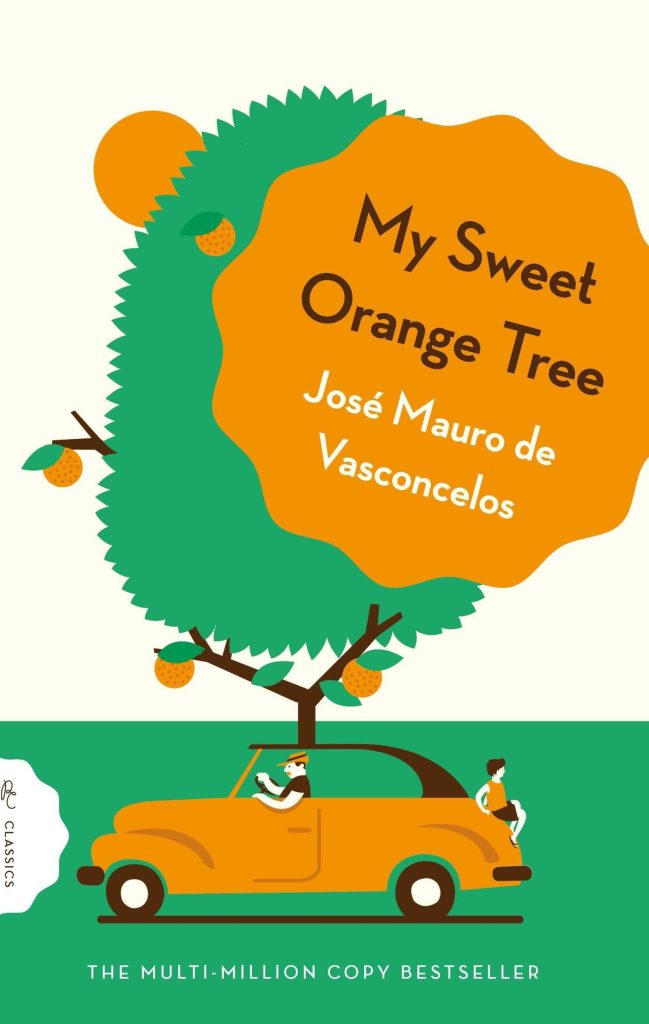
In the eyes of the adults around him, Zezé is a mischievous child who constantly causes trouble. He loves playing pranks, teasing people, and often creates situations that frustrate his family. Because of this, he is frequently scolded and sometimes severely beaten. Yet beneath his playful and rebellious exterior lies an incredibly sensitive and lonely soul. Zezé is far more intelligent than other children his age, learns to read quickly, and possesses an exceptionally vivid imagination. What he truly needs is not punishment, but understanding, attention, and love from the adults around him.
When his father loses his job, the family’s situation becomes even more difficult. The house is filled with tension, exhaustion, and the silent despair of adults struggling to survive. In such a harsh environment, Zezé gradually loses any space where he can openly express his emotions. Little by little, he retreats into his own inner world, where imagination becomes the only way he can escape reality and protect himself emotionally.
The first major turning point in the story comes when the family moves to a new house. In the small backyard garden, each child is allowed to choose a tree to be their companion. While the other children choose larger and more beautiful trees, Zezé chooses a tiny sweet orange tree that seems insignificant at first glance.
That small tree eventually becomes the most important companion in his life.
With the limitless imagination of a child, Zezé believes the orange tree can talk to him. He gives it a name, speaks to it every day, and treats it as the only safe place where he can share his thoughts and feelings. His small joys, secret dreams, silent sadness, and deepest emotional wounds are all entrusted to the little orange tree.
As the story continues, Zezé’s life moves between childish mischief, painful punishments, and a lingering sense of loneliness. Even though he is often labeled as a “devil child,” deep inside he longs to be loved like any other child. More than anything, Zezé wants someone who will truly understand him, listen to him, and hold him with the tenderness he has never received before.
And one day, that person finally appears.
Zezé meets Manuel Valadares, a middle-aged man whom he affectionately calls Portuga. At first, their relationship is not particularly pleasant because Zezé had previously played tricks on him. However, over time, Portuga begins to see beyond the boy’s troublesome behavior and recognizes the deeply wounded child hidden underneath.
Unlike most adults in Zezé’s life, Portuga does not treat him with anger or punishment. Instead, he speaks to him like a real friend, listens patiently to his childish stories, and offers him a rare kind of kindness and understanding. He takes Zezé on outings, teaches him about life, and most importantly, gives him the feeling of being loved unconditionally for the first time in his life.
That love slowly changes Zezé.
He becomes more thoughtful, more mature, and gradually begins to see the world with softer eyes. During the short time he spends with Portuga, Zezé experiences genuine happiness for the very first time. It is not found in grand gestures or material things, but simply in having someone who waits for him, listens to him, and loves him sincerely.
But like many beautiful memories of childhood, that happiness does not last forever.
One day, Portuga dies in a tragic train accident. The loss becomes the greatest emotional shock Zezé has ever experienced. The little boy is devastated after losing the first person who truly loved and understood him. The fragile emotional world he had carefully built suddenly collapses, leaving behind an emptiness nothing can fill.
Even the sweet orange tree, the silent companion that once comforted him through every sadness, can no longer ease the unbearable pain inside his heart.
The ending of My Sweet Orange Tree is not the kind of dramatic tragedy that immediately forces readers to cry. Instead, it leaves behind a quiet and lingering sadness, much like the feeling of watching a child grow up far too early because of loss and heartbreak.
The moment Zezé loses Portuga is also the moment his childhood quietly comes to an end.
3. The Profound Humanistic Value of My Sweet Orange Tree: When Childhood Is Not Only About Laughter
A Book About Children That Deeply Moves Adults
What makes My Sweet Orange Tree such a remarkable novel is not an overly dramatic plot or shocking twists, but the painfully honest way José Mauro de Vasconcelos portrays childhood. The story is told through the eyes of a child, yet the older readers become, the more deeply heartbreaking the novel feels when revisited.
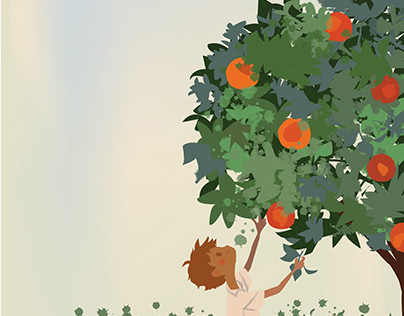
Most stories about childhood are often associated with innocence, joy, and carefree moments. However, My Sweet Orange Tree takes a completely different path. The novel reveals that childhood can also be filled with loneliness, emotional wounds, and even despair. Through the character of Zezé, José Mauro de Vasconcelos does not create an idealized or perfectly innocent child. Instead, Zezé feels strikingly real with all his mischievousness, stubbornness, disobedience, and troublesome behavior that constantly irritates the adults around him.
But as the story unfolds, readers gradually realize that behind those actions is simply a child desperately searching for attention and affection.
Zezé is not mischievous because he enjoys causing trouble. He behaves that way because he is lonely. A child who is not heard or emotionally understood often seeks attention in whatever way possible, even through negative behavior. That is what makes Zezé such an emotionally powerful and realistic character. Readers do not only see a poor boy from Brazil; they see countless real children who have grown up feeling unseen and emotionally neglected.
What is especially remarkable is that José Mauro de Vasconcelos never tells the story in a melodramatic or emotionally manipulative way. He allows everything to unfold naturally through Zezé’s innocent perspective. It is precisely the contrast between the childlike narration and the painful reality underneath that makes the emotions even more devastating. Some passages appear gentle and simple at first, yet leave readers speechless once they realize the emotional burden this child is carrying far beyond his age.
That is why My Sweet Orange Tree is far more than just a children’s novel. It is a book for anyone who has ever experienced loneliness during childhood or grown up feeling emotionally misunderstood.
The Sweet Orange Tree as a Symbol of a Child’s Inner World
One of the most meaningful elements in the novel is the sweet orange tree itself, the central symbol that runs throughout the story and ultimately becomes the emotional heart of the book.
At first glance, the tree appears to be nothing more than a small and ordinary plant in the poor family’s backyard. It is neither beautiful nor impressive compared to the other trees. Yet to Zezé, it becomes the only companion who truly listens to him.
In a world where adults are consumed by poverty, exhaustion, and frustration, Zezé has no one with whom he can honestly share his feelings. He is seen merely as a troublesome and difficult child. As a result, he turns to the orange tree as his final emotional refuge. He talks to it, confesses his fears and sadness, and pours into it all the feelings he cannot express to anyone else.
Although simple on the surface, this detail carries profound emotional meaning.
The orange tree symbolizes imagination and the remarkable ability of children to emotionally survive difficult realities. When the outside world becomes too harsh, children often create their own inner worlds to protect themselves emotionally. Sometimes it is an imaginary friend, sometimes a toy, and for Zezé, it is a talking orange tree.
Through this symbol, José Mauro de Vasconcelos reveals how deeply lonely children can become. Unlike adults, they often lack the language and emotional tools needed to express complex feelings or defend themselves. Imagination therefore becomes the only place where they can preserve tenderness and emotional safety.
It is no coincidence that the novel is titled My Sweet Orange Tree. The tree represents more than just childhood fantasy. It symbolizes the fragile but enduring hope that remains alive within Zezé despite the cruelty surrounding him. Even in the midst of punishment, poverty, and emotional neglect, he still retains the ability to dream, imagine, and love. That inner softness prevents him from being completely consumed by darkness.
Portuga and the Healing Power of Love
If the orange tree represents Zezé’s inner emotional refuge, then Portuga is the person who finally teaches him what genuine love feels like.
The relationship between Zezé and Manuel Valadares, affectionately known as Portuga, is the most emotional and humanistic aspect of the entire novel. It is not merely a friendship between a child and an adult, but a deeply moving journey of emotional healing for a boy who has been wounded far too early in life.
What makes Portuga different lies in the way he treats Zezé.
While most adults only notice the boy’s troublesome behavior, Portuga sees the loneliness hidden beneath it. He does not attempt to control or discipline Zezé through punishment or authority. Instead, he listens patiently, speaks kindly, and treats him with rare respect and compassion.
For the first time in his life, Zezé feels that he truly matters.
Portuga does not change Zezé’s life through grand gestures. He simply appears at the right moment and gives the child the love and attention he has always lacked. Yet sometimes, for a child, having just one person who genuinely listens is enough to change an entire world.
That is why Portuga’s death becomes the greatest tragedy in Zezé’s life. It is not simply the loss of a friend, but the loss of the only place where he ever felt emotionally safe and unconditionally loved.
The greatest tragedy in My Sweet Orange Tree is not poverty or physical punishment, but the fact that a child barely learns what happiness feels like before being forced to learn how to lose it.
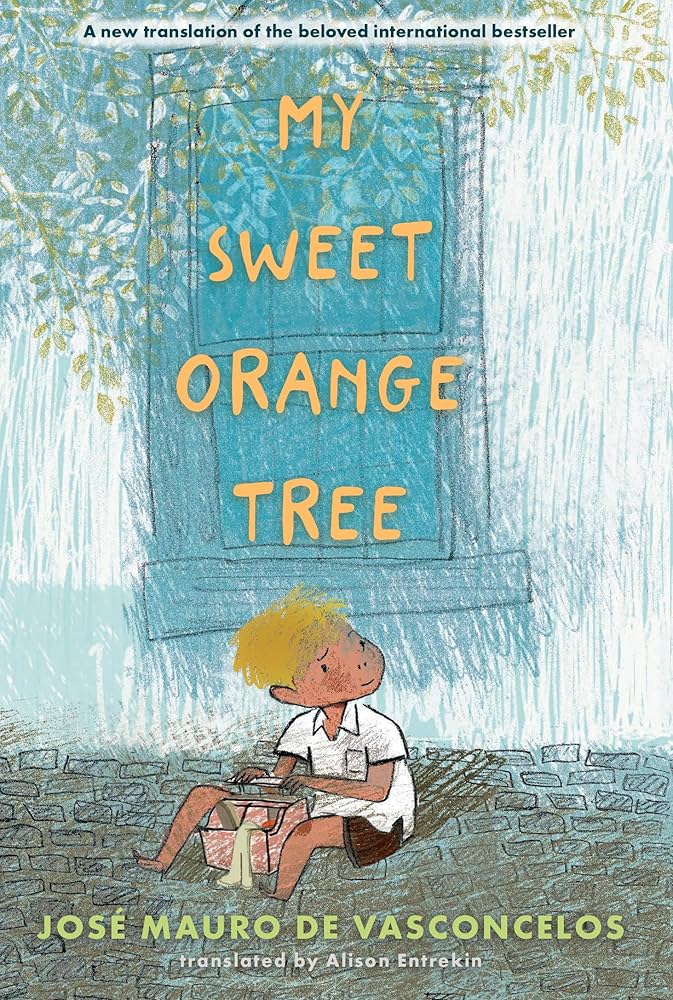
Poverty in the Novel Is More Than Material Hardship
One of the deepest strengths of My Sweet Orange Tree is the way José Mauro de Vasconcelos portrays poverty not only as material deprivation, but also as emotional deprivation within a family.
Zezé’s family struggles constantly with hunger, financial hardship, and survival. Yet what hurts readers most is not the lack of money, but the heavy emotional atmosphere inside the household. The adults become exhausted, irritable, and emotionally distant because life has worn them down.
What makes the novel especially humanistic is that the author never turns the adults into villains. Zezé’s parents are not cruel people by nature. They, too, are victims of poverty, unemployment, and hopelessness. Their difficult circumstances gradually cause them to unintentionally wound their own children.
This is one of the novel’s most powerful messages.
José Mauro de Vasconcelos does not judge anyone harshly. Instead, he quietly shows how suffering can pass from one generation to another. Adults who have been hurt by life may unknowingly hurt children in return.
Through this, My Sweet Orange Tree raises an important question: what do children truly need most in life? Material comfort, or the feeling of being loved and heard?
Why My Sweet Orange Tree Continues to Move Readers Decades Later
Some books are forgotten shortly after being read, while others become even more heartbreaking as readers grow older. My Sweet Orange Tree belongs to the second kind.
Many people first read the novel as children and feel sympathy for Zezé because of his suffering. But when they revisit the book as adults, their perspective changes. They begin to understand the helplessness of Zezé’s parents, the crushing pressure of poverty, and the fact that the adults in the story are also struggling to survive in their own way.
That is precisely why the novel has endured for so many decades. It is not merely a story about one boy’s childhood in Brazil. It touches on deeply universal human emotions: loneliness, emotional wounds, the longing to be loved, and the pain of losing the one person who truly understands us.
In many ways, My Sweet Orange Tree makes adult readers cry because they recognize parts of themselves in Zezé. Almost everyone has experienced a moment in life when they felt misunderstood or emotionally alone. And almost everyone has had a “Portuga” at some point, someone who may not have stayed forever, but who changed the way they saw life permanently.
Perhaps that is why Zezé’s story continues to remain in the hearts of readers across generations.
4. The Most Heartbreaking Quotes in My Sweet Orange Tree and the Meaning Behind Them
One of the reasons My Sweet Orange Tree has remained beloved for decades lies not only in its emotional story, but also in its simple yet deeply moving lines. José Mauro de Vasconcelos does not rely on elaborate language or heavy philosophical reflections. His writing style is gentle, quiet, and intimate, almost like a soft confession whispered directly to the reader.
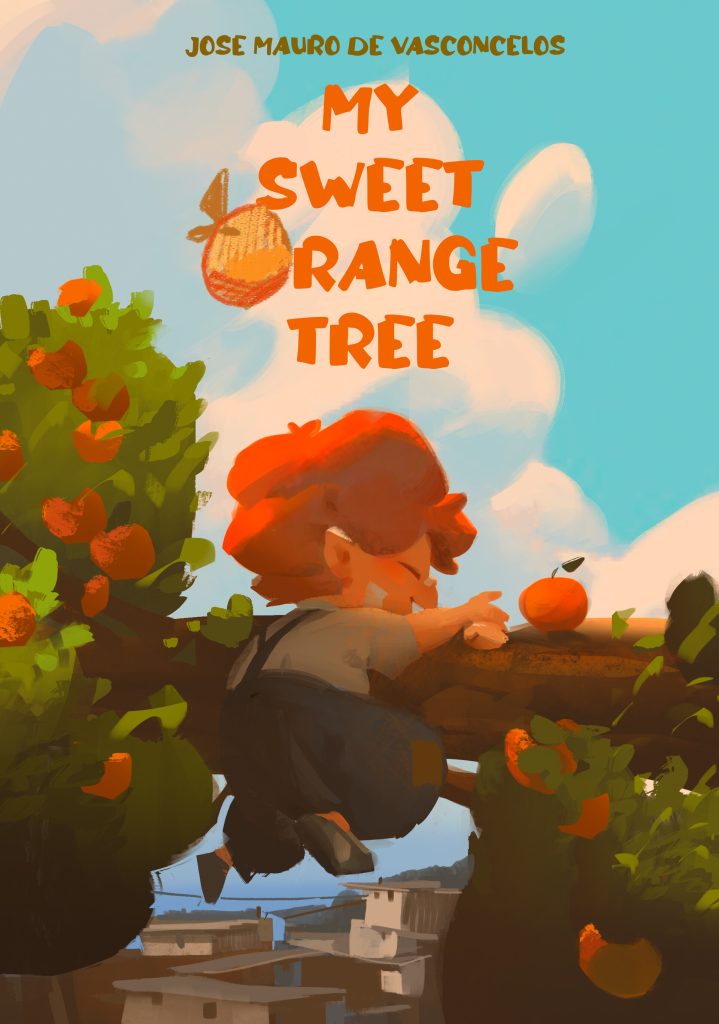
Yet it is precisely this simplicity that makes the emotions in the novel feel so genuine and powerful. Some sentences are incredibly short, but they linger in the reader’s mind long after the final page is turned. These quotes are not merely lines spoken by characters; they feel like small emotional wounds quietly touching the hidden memories of childhood within each reader.
“Pain is a thing that grows inside us.”
This is one of the shortest yet most haunting lines in the novel. José Mauro de Vasconcelos does not portray pain through dramatic suffering or exaggerated tragedy. Instead, he shows how emotional wounds often grow silently within a person over time, especially within children.
Zezé does not suffer only because of physical punishment. What hurts him most is the feeling of not being understood. The frightening thing about emotional pain is that it rarely disappears immediately. It slowly accumulates day after day until it becomes part of a person’s memory and identity.
“I learned things too early. And all at once.”
This sentence almost summarizes Zezé’s entire childhood.
A child who should have been surrounded by innocence and carefree happiness is instead forced to learn about loneliness, poverty, loss, and emotional abandonment far too soon. Through Zezé, José Mauro de Vasconcelos portrays the sadness of children who are pushed into emotional maturity before they are ready.
Some lessons in life arrive too early, leaving childhood no longer truly feeling like childhood at all.
“Tenderness has a strange way of arriving unexpectedly.”
This quote immediately reminds many readers of the relationship between Zezé and Portuga.
In the harsh world surrounding the boy, Portuga appears like one of the few beautiful and gentle things in his life. He does not offer wealth or grand solutions. What he gives Zezé is simple kindness, patience, and sincere affection. Yet sometimes, that alone is enough to completely transform someone’s life.
The quote highlights the extraordinary power of tenderness. A small act of kindness arriving at the right moment can become the very thing that saves someone from their darkest days.
“The heart hurts much more than the body.”
My Sweet Orange Tree repeatedly shows that emotional wounds often leave scars far deeper than physical pain.
Zezé may endure beatings and punishment, but what truly devastates him is loneliness and the feeling of being unloved. José Mauro de Vasconcelos carefully reveals that children experience emotional pain just as deeply as adults, sometimes even more intensely because of their vulnerability.
“When people truly care for us, they hear even the silence.”
This may be the sentence that best describes what Portuga means to Zezé.
He does not merely listen to the boy’s words. He understands the loneliness, sadness, and emotional wounds hidden beneath them. Throughout the story, Portuga is the only adult who truly sees Zezé for who he is rather than judging him only by his mischievous behavior.
The quote also carries one of the novel’s most beautiful messages: genuine love is not simply expressed through words or actions, but through the ability to understand feelings that cannot even be spoken aloud.
“A child can survive hunger, but not the absence of affection.”
This is perhaps one of the most humanistic lines in the entire novel.
My Sweet Orange Tree is not only about material poverty. It is also about emotional deprivation within families and society. Zezé learns to live with hunger and hardship, but what wounds him most deeply is the feeling of not being loved or emotionally cared for.
Through this quote, José Mauro de Vasconcelos reminds readers that children need affection far more than anything material.
“Sometimes imagination is the only refuge left.”
The sweet orange tree itself becomes the clearest symbol of this idea.
When life becomes too painful, Zezé escapes into imagination as a way to protect his inner world. He talks to the orange tree, shares his secrets with it, and turns it into the only companion who truly listens to him.
This is no longer simply childish imagination. It becomes a form of emotional survival and self-healing in the face of loneliness and suffering.
“Childhood ends the moment loneliness begins.”
Perhaps no quote captures the essence of My Sweet Orange Tree more accurately than this one.
The novel suggests that childhood does not end when people grow older physically. It ends the moment a child realizes that the world is not as gentle as they once believed. The moment Zezé truly understands loss, loneliness, and emotional pain is also the moment he is forced to grow up far too soon.
And that is exactly what makes the novel so unforgettable and emotionally devastating for generations of readers.
5. After Closing My Sweet Orange Tree, What Remains Is More Than Sadness
What impressed me most deeply about My Sweet Orange Tree was not the tragedies or losses that Zezé had to endure, but the way José Mauro de Vasconcelos placed tenderness in the middle of such a wounded childhood. The novel never tries to force emotions through dramatic twists or exaggerated sorrow. Everything unfolds naturally and quietly: a poor family struggling with the burdens of survival, a mischievous little boy desperately longing to be loved, a beautiful friendship appearing during the loneliest period of his life, and eventually a loss that forces childhood to end far too soon.
It is precisely this simplicity that makes the story feel so genuine and emotionally haunting.
While reading My Sweet Orange Tree, I did not only see Zezé’s childhood. I also saw fragments of the silent loneliness that exist in the childhood memories of many people. The novel reminds readers that sometimes the deepest wounds do not come from material poverty, but from the feeling of not being heard, not being understood, and not having anyone who truly sees the emotions hidden inside us.
What makes Zezé such a remarkable character is that readers do not simply pity him in the usual sense. People love Zezé because despite growing up surrounded by pain, he never completely loses his tenderness or his ability to love the world around him. He continues talking to his sweet orange tree with all the imagination of a child, continues dreaming about beautiful things, and continues longing to be held and loved like every other child.
Perhaps that is the greatest beauty of his character: the innocence within him never fully disappears, no matter how many times life hurts him.
Beyond being a story about childhood, My Sweet Orange Tree also made me reflect deeply on the way adults treat children. Adults often assume that children will quickly forget, that harsh words or emotional wounds will eventually fade away with time. Yet the novel suggests the opposite. Children feel things far more deeply than we often realize. Some wounds leave no visible scars, but silently follow a person far into adulthood.
What distinguishes My Sweet Orange Tree from many other novels about childhood is that it is not only a story about sadness, but also a story about healing. Through the relationship between Zezé and Portuga, José Mauro de Vasconcelos shows readers that sometimes all it takes is one person who genuinely listens and truly loves a child to completely change that child’s life.
That is also why, even long after finishing the novel, the image of little Zezé sitting beside his sweet orange tree still remains in my mind as a beautiful yet heartbreaking symbol of childhood, loneliness, and the universal human longing to be loved.
6. Closing Zezé’s Journey
My Sweet Orange Tree is not an overly long novel filled with complicated philosophies or grand ideas. Yet through his simple, sincere, and deeply emotional writing, José Mauro de Vasconcelos created a story capable of reaching the most hidden corners of the human heart. The novel does not rely on dramatic events or overwhelming tragedy to move its readers to tears. Instead, it is the ordinary, quiet, and painfully authentic moments in Zezé’s life that leave the deepest and longest-lasting emotional impact.
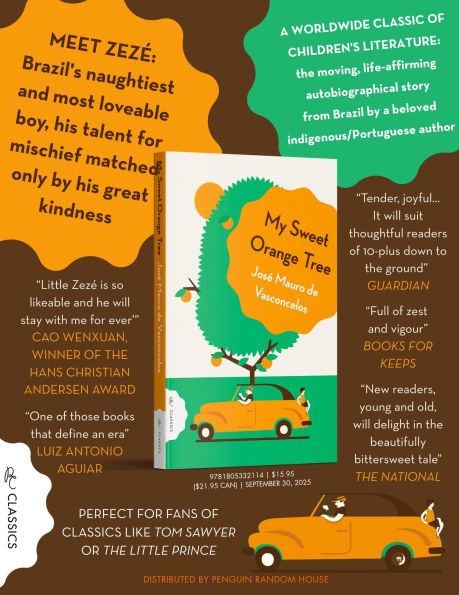
Through Zezé’s journey of growing up, My Sweet Orange Tree reminds us that childhood is not always a time filled with happiness and laughter. Some children are forced to grow up too early, learning how to endure loneliness, emotional pain, and hardship while trying to heal themselves through imagination and small moments of hope. At the same time, the novel beautifully reveals the healing power of love and understanding. Sometimes, even the smallest act of kindness arriving at the right moment can save a soul that is slowly breaking apart.
That is precisely why, despite being published decades ago, My Sweet Orange Tree continues to retain its emotional power and move generations of readers around the world. The novel is not simply the story of one boy growing up in Brazil. It is also a story about loneliness, the longing to be loved, and the emotional wounds that almost everyone carries at some point in life.
This is a book especially suited for readers who appreciate emotional and healing stories. If you have ever felt lonely during childhood, experienced the pain of not being fully understood, or are simply searching for a gentle yet deeply meaningful novel that stays in your mind long after reading, then My Sweet Orange Tree is undoubtedly a book worth experiencing at least once. The novel is also highly recommended for parents, teachers, and anyone who works closely with children, because it offers a profound understanding of the fragile emotional world of childhood and reminds adults to listen with greater tenderness and empathy.
Perhaps that is why, after finishing My Sweet Orange Tree, what remains in the hearts of readers is not only sadness, but also a deeper sense of compassion and appreciation for the small acts of love and kindness that quietly shape human lives.
And you, after reading My Sweet Orange Tree, which character or moment in the story stayed with you the longest and touched you the most deeply?
7. Reference material
[1] J. M. de Vasconcelos, My Sweet Orange Tree (original title: Meu Pé de Laranja Lima). Rio de Janeiro, Brazil: Editora Melhoramentos, 1968.
[2] J. M. de Vasconcelos, Doidão. Rio de Janeiro, Brazil: Editora Melhoramentos, 1963.
[3] J. M. de Vasconcelos, Rosinha, Minha Canoa. Rio de Janeiro, Brazil: Editora Melhoramentos, 1962.
[4] J. M. de Vasconcelos, Coração de Vidro. Rio de Janeiro, Brazil: Editora Melhoramentos, 1964.
[5] Wikipedia contributors, “My Sweet Orange Tree,” Wikipedia, The Free Encyclopedia, 2025. [Online]. Available: https://en.wikipedia.org/wiki/My_Sweet_Orange_Tree
[6] Wikipedia contributors, “José Mauro de Vasconcelos,” Wikipedia, The Free Encyclopedia, 2025. [Online]. Available: https://en.wikipedia.org/wiki/Jos%C3%A9_Mauro_de_Vasconcelos