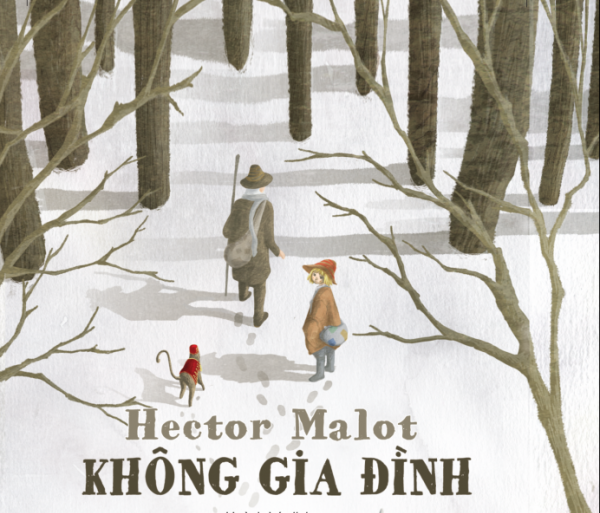
Under the masterful pen of Hector Malot, Sans Famille has become an enduring masterpiece of French literature, widely recognized for its emotional depth and timeless storytelling. The novel was not only honored with a prestigious award from the French Academy but has also continued to resonate with readers across generations, securing its place as a beloved classic for more than a century.
Behind a title that seems to evoke loneliness and abandonment unfolds the arduous yet captivating journey of the young boy Rémi. Forced into a life of wandering, he encounters countless hardships, from poverty and uncertainty to moments of loss and separation. Yet, along this difficult path, he also discovers kindness, generosity, and unexpected companionship that gradually shape his understanding of the world.
More than just an adventure story, the novel is deeply imbued with human warmth, celebrating the resilience to overcome adversity and the strength to keep moving forward despite life’s challenges. At its heart, it offers a profound reflection on the true meaning of “family” – one that is not defined solely by blood ties, but by love, compassion, and the deep bonds formed through shared humanity.
1. Hector Malot – The Author Behind the Timeless Classic Sans Famille
Hector-Henri Malot (May 20, 1830 to July 18, 1907), widely known as Hector Malot, was one of the most prominent figures in nineteenth century French literature, celebrated for his deeply humanistic storytelling and keen observations of society. He was born in La Bouille, a small town in the Seine-Maritime region of France, where his early surroundings would later influence his sensitivity toward ordinary lives and social realities. Malot initially pursued a conventional path, studying law in Rouen and Paris. Although he completed his legal education and briefly worked in a law office, his passion for literature ultimately led him to abandon the profession and dedicate himself fully to writing.
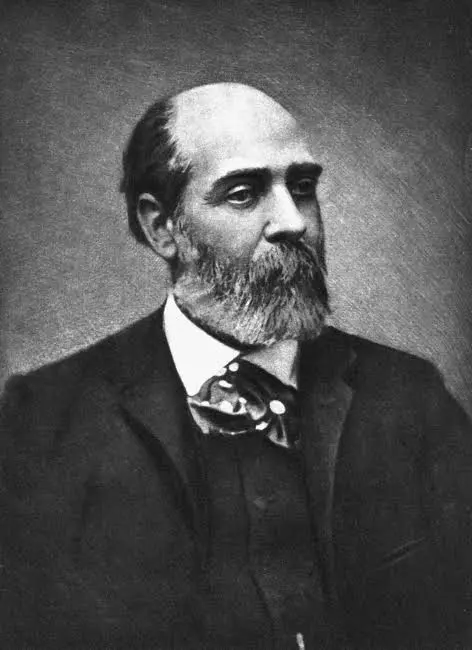
Malot began his literary career as a drama critic for Lloyd Français and later as a literary critic for L’Opinion Nationale. These early roles allowed him to immerse himself in the cultural and intellectual life of his time, gradually building a reputation within French literary circles. His transition from criticism to fiction marked the beginning of a prolific career that would span several decades.
Throughout his lifetime, Malot authored more than seventy novels, many of which explore themes of social inequality, personal struggle, and the resilience of the human spirit. His debut novel, Les Amants (1859), brought him early recognition, but he continued to develop his voice through a wide range of works such as Romain Kalbris (1869), an adventurous tale of a young boy’s survival at sea, and En Famille (1893), a companion novel to his most famous work that also focuses on childhood and belonging. These stories reflect his consistent interest in portraying vulnerable characters and their journeys through hardship and growth.
His most celebrated achievement remains Sans Famille (Nobody’s Boy, 1878), a novel that not only captivated readers with the moving story of the orphaned boy Rémi but also earned recognition from the French Academy. The work stands as a timeless testament to compassion, resilience, and the enduring search for identity and belonging. Its emotional depth and universal themes have allowed it to remain influential for generations.
Hector Malot passed away on July 18, 1907, in Fontenay-sous-Bois, leaving behind a rich literary legacy. His works continue to resonate with readers around the world, offering not only compelling narratives but also meaningful reflections on humanity, kindness, and the social realities of his time.
2. Rémi’s Journey: A Powerful Story of Loss, Resilience, and the Search for Belonging
2.1 A Childhood Shattered and a Life of Wandering
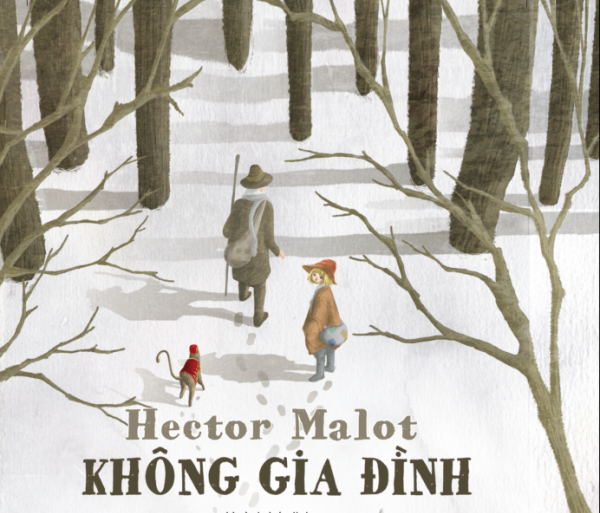
Rémi begins his life as an orphan, gently raised by Madame Barberin in the quiet French countryside. For a time, he experiences the warmth and simplicity of a loving home. Yet this fragile happiness is abruptly broken when his foster father returns and, driven by greed, sells him to Vitalis, an aging traveling performer. Forced to leave everything familiar behind, Rémi is thrust into a harsh and uncertain world. From that moment on, his life becomes a journey marked by constant movement, where he must endure hunger, cold, and danger while gradually uncovering the painful truths about his origins.
2.2 Companionship and the True Meaning of Kindness
Despite the many hardships he faces, Rémi’s journey is illuminated by meaningful relationships that shape his character and give him strength. Under the guidance of Vitalis, a strict yet deeply compassionate mentor, Rémi learns not only how to survive but also how to live with dignity. He is joined by loyal animal companions such as Capi, Zerbino, Dolce, and the lively monkey Joli-Cœur, whose presence brings both comfort and joy during difficult times. Later, Rémi meets Mattia, a devoted friend who stands by him through every challenge. Through these bonds, Rémi comes to realize that family is not defined by blood alone, but by love, loyalty, and the willingness to protect and care for one another.
2.3 Trials, Suffering, and the Strength to Endure
Rémi’s life unfolds through a series of harsh trials that test both his physical limits and emotional strength. He faces freezing winters, deep hunger, and moments where survival itself seems uncertain. One of the most harrowing experiences comes when he is trapped for days in a dark, suffocating mine, forced to confront the thin line between life and death. He also endures injustice and heartbreak, including the crushing disappointment of believing he has found his true family, only to discover it was built on deception.
Yet through all these struggles, Rémi’s spirit remains unbroken. Guided by the values instilled in him by Vitalis, he holds firmly onto his compassion, integrity, and hope. His journey becomes more than a fight for survival; it transforms into a deeply moving testament to resilience, humanity, and the enduring power of hope in the face of adversity.
3. Profound Humanistic Messages in Sans Famille (Nobody’s Boy)
3.1 Family: More Than Blood Ties
At first glance, the title Sans Famille may suggest a life defined by loneliness and abandonment. However, through Rémi’s journey, Hector Malot presents a far more nuanced and hopeful vision of what “family” truly means. Although Rémi is separated from his biological roots, he gradually forms deep and meaningful connections with those who choose to care for him. From the guidance of Vitalis to the loyal companionship of his friends, these relationships are built not on obligation, but on genuine love, trust, and sacrifice.
The novel gently reminds readers that family is not merely something we are born into, but something we create through shared experiences, empathy, and mutual support. In a world where traditional definitions of family can sometimes feel limiting, Sans Famille offers a comforting and inclusive perspective: that belonging is found in the people who stand by us, especially in our most difficult moments.
3.2 The Will to Live and the Power of Resilience
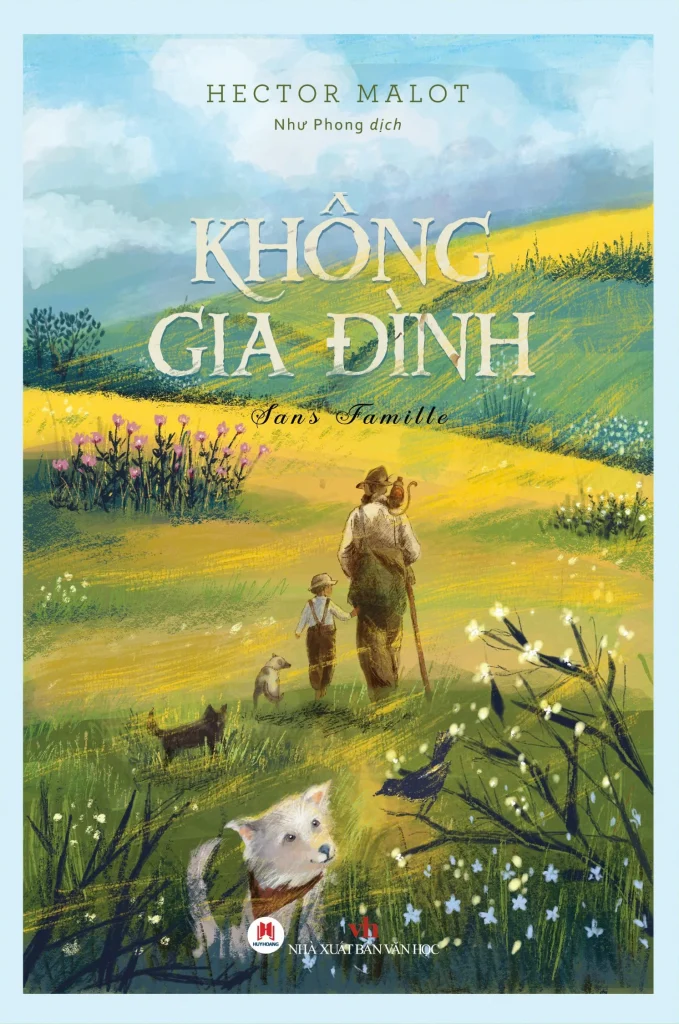
One of the most inspiring aspects of Rémi’s story is his unwavering determination to endure and move forward, no matter how harsh his circumstances become. Time and again, he is confronted with situations that would break even the strongest spirit: poverty, hunger, isolation, and the constant uncertainty of life on the road. Yet, rather than surrendering to despair, Rémi continues to nurture hope and strive for a better future.
Through his journey, the novel highlights the quiet strength that lies within ordinary individuals. Resilience is not portrayed as grand heroism, but as the simple, persistent choice to keep going, even when the path ahead seems impossible. Rémi’s perseverance becomes a powerful message to readers that adversity, while painful, can also shape character, deepen empathy, and ultimately lead to personal growth. It is this enduring spirit that transforms his story into a source of inspiration across generations.
3.3 Compassion and Gratitude in the Human Journey
Another lasting message of Sans Famille lies in its emphasis on compassion and gratitude as essential elements of humanity. Throughout his travels, Rémi encounters people from many walks of life, some kind and generous, others indifferent or harsh. Yet, it is the acts of kindness, both big and small, that leave the deepest impact on his journey. Characters like Vitalis and Mattia demonstrate that even in a difficult world, compassion continues to exist and can profoundly change a person’s life.
Equally important is Rémi’s ability to recognize and appreciate these acts of kindness. He does not take love or support for granted; instead, he carries a deep sense of gratitude toward those who have helped him along the way. This quality not only defines his character but also reinforces one of the novel’s core messages: that being truly human means not only receiving kindness, but also remembering it, honoring it, and passing it on to others.
4. Some Memorable Quotes from the Book
One of the reasons Sans Famille by Hector Malot continues to resonate with readers is its collection of simple yet deeply meaningful reflections on life. These quotes capture the emotional and philosophical essence of Rémi’s journey, offering timeless lessons about love, resilience, and humanity.
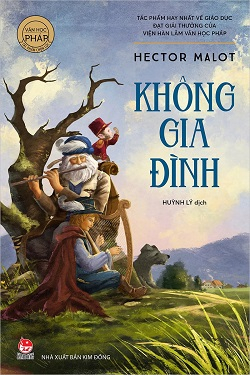
“No one in this world is truly an orphan as long as there is a heart capable of love.”
This quote reflects one of the novel’s most central ideas: that loneliness is not defined by the absence of family, but by the absence of love. Through Rémi’s experiences, we see that even in the most difficult circumstances, the presence of compassion and genuine connection can create a sense of belonging.
“What matters most is not where we come from, but where we are heading.”
Rémi’s uncertain origins never determine his worth or limit his future. Instead, his journey emphasizes growth, choices, and direction. This message encourages readers to focus on their aspirations and the paths they choose, rather than being bound by their past.
“Life is like a long road, sometimes filled with thorns; yet with perseverance, the light of hope will always appear.”
A powerful metaphor for life’s hardships, this quote mirrors the many struggles Rémi faces along the way. It reminds us that difficulties are inevitable, but perseverance and hope can guide us through even the darkest moments.
“Happiness is not something we wait for, but something we must seek along our own journey.”
Rather than passively expecting happiness, the novel suggests that it is something we actively create through our actions, attitudes, and choices. Rémi’s journey shows that even small moments of joy can be found when we continue moving forward.
“Family is not only those who share our blood, but also those who love and care for us with all their hearts.”
This idea lies at the very core of Sans Famille. Through the relationships Rémi builds, the novel redefines family as a bond formed through love, loyalty, and shared experiences, rather than biological ties alone.
“When one door closes, do not mourn, for another door may be opening for us.”
Throughout his life, Rémi faces repeated loss and disappointment. Yet each ending eventually leads to a new beginning. This quote highlights the importance of optimism and the ability to see opportunity even in moments of hardship.
“We are never truly poor as long as we possess kindness and sincerity.”
Despite material poverty, Rémi remains rich in character. This message reinforces the idea that true wealth lies not in possessions, but in the values we carry within ourselves, such as kindness, honesty, and compassion.
Together, these quotes form a gentle yet powerful philosophical thread that runs throughout the novel. They not only deepen the reader’s understanding of Rémi’s journey but also invite reflection on one’s own life, values, and definition of happiness.
5. Why Sans Famille(Nobody’s Boy) Remains Meaningful Today and Who It Speaks To
5.1 Why Sans Famille Still Matters Today
Even though Sans Famille was written in the 19th century by Hector Malot, its themes remain strikingly relevant in modern society. In a world where many people experience isolation, pressure, or a sense of not belonging, Rémi’s journey feels more relatable than ever.
The novel does not simply tell a story of hardship; it offers guidance on how to face life’s uncertainties. It teaches readers that identity is not something fixed at birth, but something shaped through experiences, choices, and relationships. In today’s fast changing world, where people often redefine themselves multiple times, this message carries significant meaning.
Moreover, the book highlights values that are sometimes overlooked in modern life such as kindness, gratitude, perseverance, and emotional resilience. These are not abstract ideas in the novel; they are lived experiences that Rémi demonstrates through every challenge he overcomes. This makes the story not only emotionally engaging but also practically meaningful for readers seeking inspiration.
5.2 Who Should Read Sans Famille(Nobody’s Boy)?
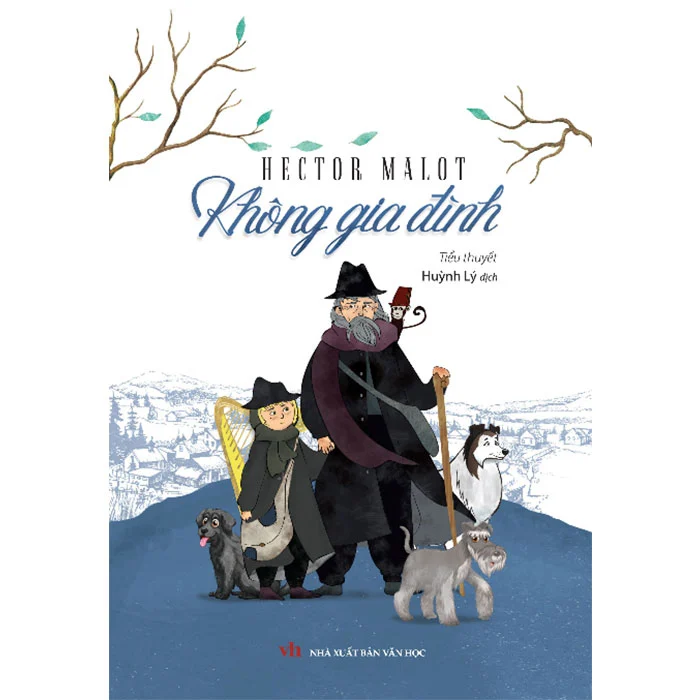
One of the greatest strengths of Sans Famille is its universal appeal. The novel speaks to a wide range of readers, each of whom can find something meaningful within Rémi’s journey.
Young readers and students will find the story both engaging and educational. It introduces important life lessons about courage, empathy, and personal growth in a way that is accessible and emotionally impactful.
Readers going through difficult times may see themselves in Rémi’s struggles. His resilience and optimism serve as a powerful reminder that even in the darkest moments, hope can still exist and guide us forward.
Those interested in classic literature will appreciate the novel’s storytelling, historical context, and its place within French literary tradition. It stands as a timeless example of how literature can reflect society while also offering deep philosophical insights.
Anyone searching for meaning and connection will resonate with the book’s central message about family and belonging. In a world where relationships can sometimes feel fragile or complicated, Sans Famille gently reassures us that true connection is built through love, understanding, and shared humanity.
6. The Enduring Power of Sans Famille(Nobody’s Boy)
Sans Famille (Nobody’s Boy) is far more than a simple children’s story; it is a timeless literary work that continues to touch the hearts of readers across generations. Through the unforgettable journey of Rémi, Hector Malot crafts a narrative rich in emotion, resilience, and humanity, inviting readers to reflect on life’s deeper values.
The novel gently reminds us that even in the face of hardship, hope and kindness can still flourish. Rémi’s experiences highlight the importance of perseverance, the strength found in compassion, and the idea that true belonging is not defined by origin, but by the relationships we build along the way. These messages remain just as meaningful today as they were more than a century ago.
Ultimately, Sans Famille is not only a story to be read, but one to be felt and remembered. For anyone seeking a work that is emotionally moving, thought provoking, and rich in life lessons, this novel stands as a truly rewarding and unforgettable read.
7. References (Nobody’s Boy)
[1] “Sans Famille,” Wikipedia. [Online]. Available: https://en.wikipedia.org/wiki/Sans_famille
[2] “Hector Malot,” Wikipedia. [Online]. Available: https://en.wikipedia.org/wiki/Hector_Malot
[3] “Sans Famille,” Encyclopaedia Britannica. [Online]. Available: https://www.britannica.com/topic/Sans-Famille
[4] “Hector Malot,” Encyclopaedia Britannica. [Online]. Available: https://www.britannica.com/biography/Hector-Malot
[5] H. Malot, Sans Famille. [Online]. Available: https://www.gutenberg.org/ebooks/2293