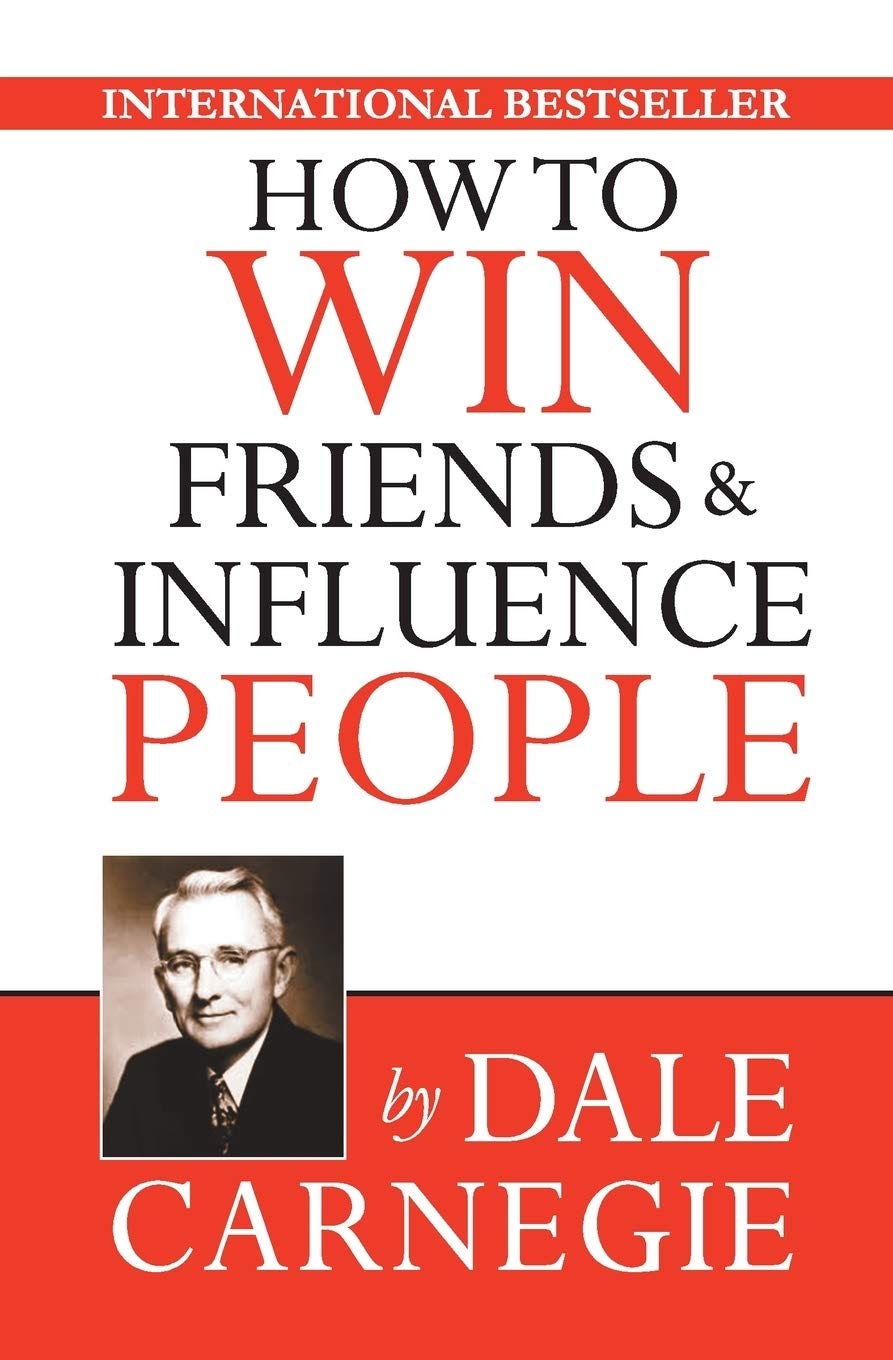
Some books do not overwhelm readers from the very first pages, nor do they promise to change one’s life after just a few days of reading. Yet they quietly accompany readers for many years, sometimes for an entire lifetime. How to Win Friends and Influence People is such a book. It does not take the form of a dry self-help manual, nor does it adopt a preachy tone or impose rigid moral frameworks. Instead, it opens a gentle yet profound journey – a journey of learning how to understand others and refine oneself through everyday human relationships.
In a modern society filled with competitive pressure, where people are increasingly skilled at speaking but poor at listening, adept at self-presentation yet lacking in empathy, How to Win Friends and Influence People emerges as a quiet reminder: to go far and to go sustainably, one cannot rely solely on intelligence or talent, but must also possess the art of human relations and genuine sincerity. Success, after all, is not merely the achievement of personal goals, but the ability to build harmonious, positive, and lasting relationships.
What makes How to Win Friends and Influence People truly special does not lie in lofty advice, but in its simplicity – simple enough for anyone to apply. From small acts such as offering timely praise and practicing sincere listening, to demonstrating tact in debate and leadership, the book leads readers to realize that understanding others is the shortest path to understanding oneself.
It is precisely this enduring value, together with its ability to touch the deepest psychological needs of human beings, that has enabled How to Win Friends and Influence People to withstand the test of time and become one of the most classic works on communication and personal development worldwide.
1. Introduction to the Author and the Work
Dale Carnegie (1888–1955) was one of the most influential figures in the history of modern self-help literature and the art of communication. He was neither an academic scholar nor a member of the intellectual elite; rather, he grew up in a poor farming family in Missouri, United States. His childhood was marked by hard labor, material deprivation, and, most notably, a deep sense of inferiority when entering broader social environments.
Ironically, this very ordinary background became a crucial foundation for the philosophy he later developed. Dale Carnegie openly admitted that he was not exceptionally intelligent, but he was an acute observer of people around him. He realized a striking reality: many talented individuals fail not because of a lack of ability, but because they do not know how to communicate, do not understand human psychology, and are unable to build positive social relationships.
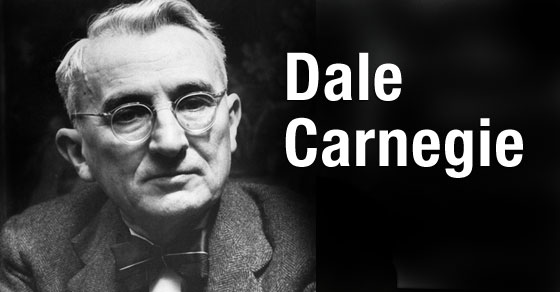
After completing his education and beginning his teaching career, Dale Carnegie organized courses on public speaking and interpersonal communication in New York. During his years of teaching, he collected thousands of real-life stories from his students – businesspeople, office workers, managers, teachers, and even politicians. These stories revealed a common and thought-provoking pattern: people often react negatively to criticism, yet are willing to change when they feel respected and appreciated.
From this practical foundation, Dale Carnegie gradually systematized principles of human relations based on behavioral psychology and lived experience. Rather than constructing abstract theories, he distilled rules that were profoundly “human” – truths everyone has experienced but few have articulated clearly.
The culmination of this process of observation, teaching, and reflection was How to Win Friends and Influence People, first published in 1936. Upon its release, the book became a rare publishing phenomenon, quickly topping bestseller lists and circulating widely within business, education, and management circles.
What makes How to Win Friends and Influence People distinctive is that it was not written from an academic laboratory, but drawn directly from real life. Every principle in the book is tied to a specific story, a concrete situation, and a clearly identifiable individual. This gives the book strong persuasive power and makes its lessons easy to apply in everyday life.
Nearly a century later, How to Win Friends and Influence People has been translated into dozens of languages and sold tens of millions of copies worldwide. It is not only regarded as a classic work on communication, but also serves as a foundational text in modern training programs on soft skills, leadership, and human resource management.
More importantly, Dale Carnegie’s philosophy transcends historical context. While society changes, technology advances, and modes of interaction evolve, the fundamental human desire – to be respected, recognized, and understood – remains unchanged. For this reason, How to Win Friends and Influence People is not merely a book of the twentieth century, but continues to remain relevant and alive in the twenty-first century.
2. Summary of the Core Content – A Journey into Human Nature through the Art of Interaction
Unlike literary works with clear plots, characters, or dramatic climaxes, How to Win Friends and Influence People is constructed as a journey of thought – one in which readers gradually explore human psychology through authentic, everyday situations. If the book can be said to have a “plot,” it is the process by which individuals learn to understand others in order to improve themselves.
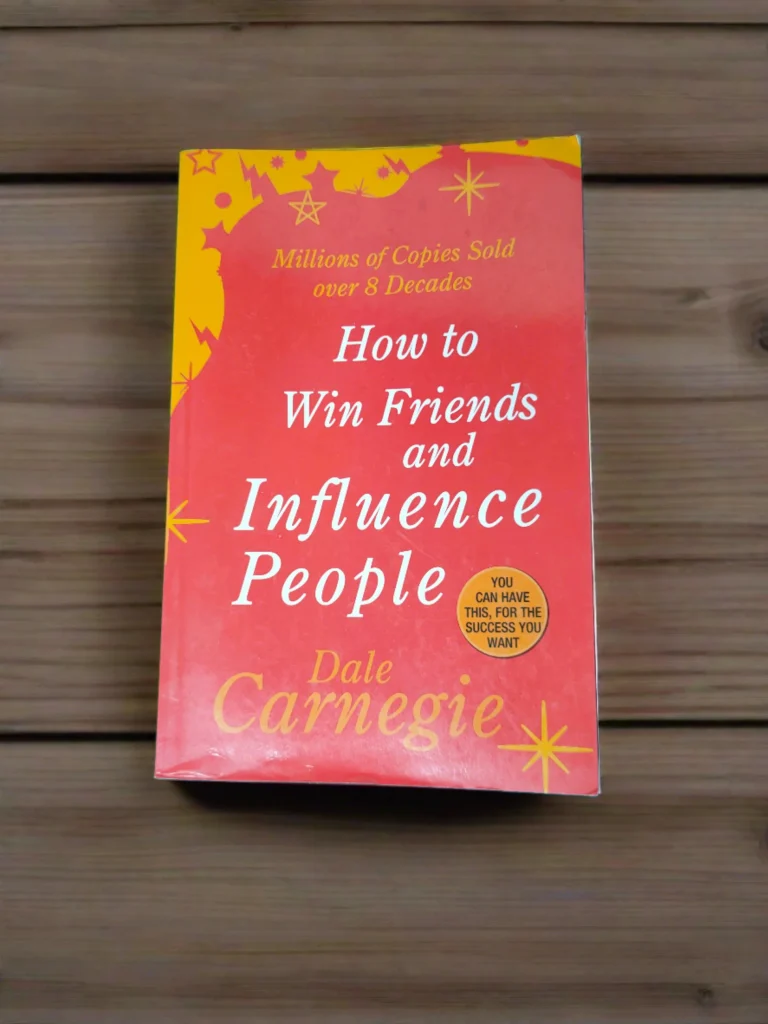
The entire work is divided into four major sections, each representing a progressively deeper level of understanding in the art of dealing with people.
Fundamental Principles in Dealing with People
At the beginning of the book, Dale Carnegie does not rush to offer communication “tips,” but instead starts by analyzing a basic truth: human beings do not act purely on reason, but are largely driven by emotions and ego. From this insight, he identifies the greatest mistake in communication – criticizing, blaming, and judging others.
Through numerous real-life examples, Carnegie demonstrates that criticism rarely produces positive change. On the contrary, it causes people to become defensive, stubborn, and eager to justify themselves. From this observation emerges a core principle: if one wishes to change others, one must first respect their sense of self-worth.
Alongside the avoidance of criticism, Carnegie emphasizes the power of sincere appreciation. Not flattery, but timely and genuine recognition that arises from observation and understanding. When people feel valued, they are more willing to make efforts and change voluntarily.
Most importantly, the author encourages readers to learn how to awaken desire within others rather than forcing or commanding them. This idea forms the philosophical backbone of the entire book: effective communication is not about imposition, but about guidance.
Six Ways to Make People Like You – The Art of Small Things
In the next section, How to Win Friends and Influence People addresses the question of how to create goodwill and build long – lasting positive relationships. Carnegie argues that likability does not stem from eloquence, but from the ability to listen and show genuine interest.
He analyzes ordinary behaviors such as smiling, eye contact, attentive listening, and addressing others by name. Each seemingly minor detail is placed in a specific context to illustrate its psychological impact. When a person feels respected and noticed, closeness emerges naturally.
A key emphasis in this section is Carnegie’s repeated assertion that if one wants others to care about them, one must first sincerely care about others. Goodwill cannot be built through mechanical techniques; it can only endure when rooted in authenticity.
How to Win People to Your Way of Thinking – When Arguments Are No Longer About Winning
In the third section, the book expands from building rapport to the art of persuasion. Dale Carnegie offers a thought-provoking idea: in arguments, the one who wins logically may still lose emotionally.
He explains that insisting on proving oneself right often wounds others’ egos, thereby damaging relationships. Instead of arguing, he advises respecting differing opinions, admitting mistakes when necessary, and asking questions rather than imposing conclusions.
One of the most insightful principles here is: let the other person feel that the idea is theirs. When people reach conclusions on their own, they are far more likely to defend and act upon them than if they were coerced. This insight reflects Carnegie’s deep understanding of human psychology.
Leadership Without Resentment – Guiding Rather Than Commanding
The final section elevates the discussion from personal communication to leadership and people management. Dale Carnegie asserts that leadership is not about giving orders, but about bringing out the best in others.
He outlines ways to offer feedback without causing offense, to criticize constructively, and to encourage growth. Rather than focusing on mistakes, effective leaders focus on strengths and potential improvement.
The unifying theme of this section is humanism: people perform best when they are respected, trusted, and encouraged. A true leader, in Carnegie’s view, does not instill fear, but inspires motivation.
Overall Summary
Throughout the book, How to Win Friends and Influence People does not tell a single story, but weaves together hundreds of fragments from real life to form a coherent “philosophical narrative”: understanding people is the foundation of all relationships and enduring success. The book guides readers from awareness of personal ego, to empathy toward others, and ultimately to the ability to exert positive influence within society.
3. Content Value and Artistic Value – When Communication Becomes a Philosophy of Life
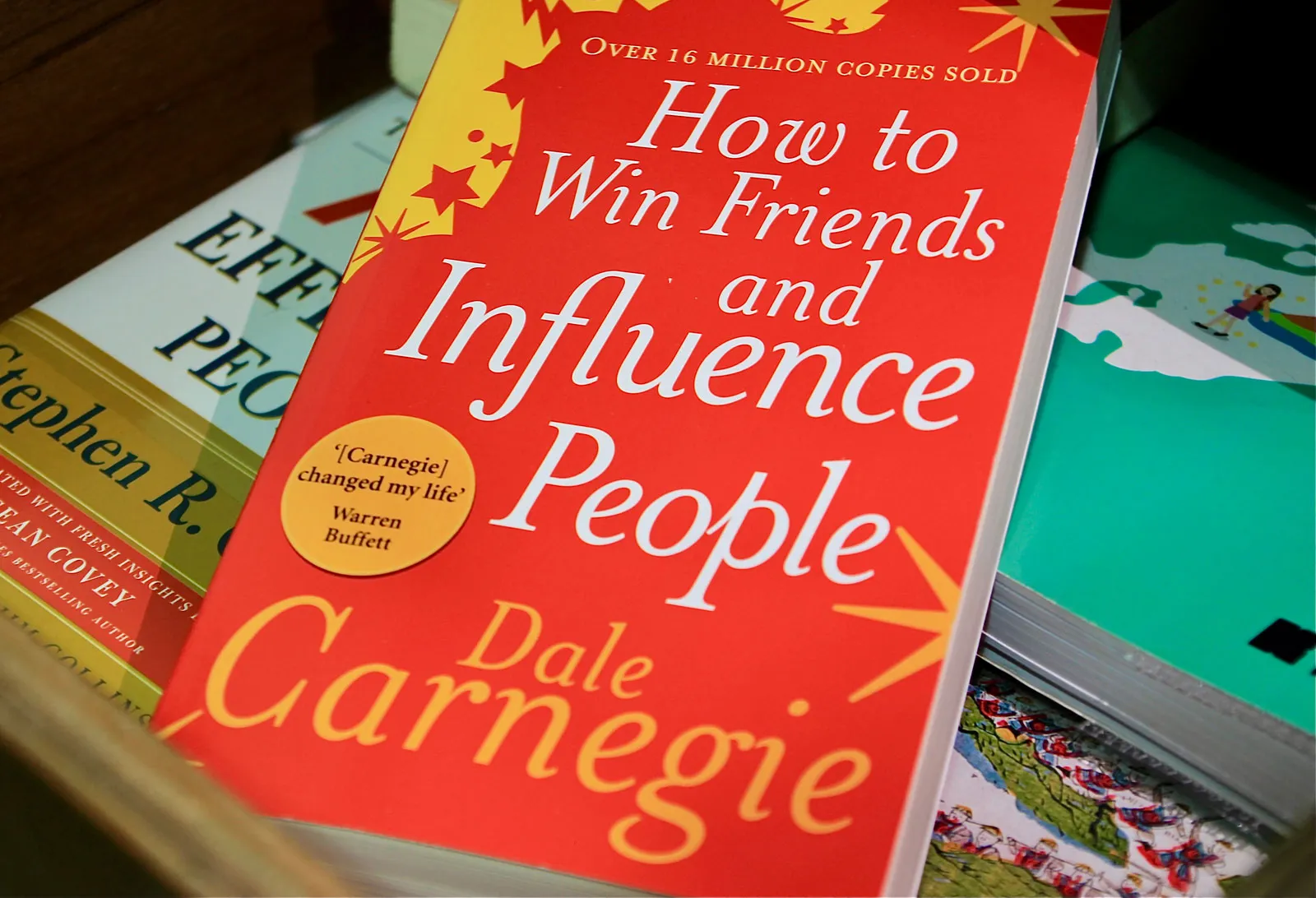
What allows How to Win Friends and Influence People to transcend the boundaries of an ordinary self-help book is that it does not merely answer the question “How can we communicate effectively?” but reaches a far more fundamental inquiry: “How should human beings treat one another in a kind and sustainable way?” This shift from technique to philosophy gives the book its lasting depth and significance.
Content Value – Understanding Others to Improve Oneself
At its deepest level, How to Win Friends and Influence People is a book about human psychology. Dale Carnegie does not view people as objects to be persuaded or controlled, but as individuals with emotions, self-esteem, and a need for recognition. Every principle in the book revolves around one central axis: respect is the prerequisite for all healthy relationships.
The book’s greatest value lies in dismantling a common illusion – that success comes from imposing one’s views or winning arguments. Carnegie demonstrates instead that lasting relationships, whether in family, work, or society, are built upon understanding, patience, and empathy. When people feel heard and respected, they become willing to open up and change voluntarily.
Notably, How to Win Friends and Influence People does not promote weakness or artificial humility. Carnegie carefully distinguishes sincerity from flattery, emphasizing repeatedly that his principles only work when rooted in genuine respect. This helps the book avoid becoming a manual for psychological manipulation – a common concern with self-help literature.
On a personal level, the book also encourages self-reflection. Readers not only learn how to deal with others, but also become aware of their own unconscious habits: the tendency to judge, the desire to prove oneself right, or the impatience to listen. Reading thus becomes a journey of self-awareness and inner growth.
Artistic Value – The Power of Storytelling and Simple Language
If content provides depth, artistic value ensures accessibility. Dale Carnegie does not write in abstract theory; he tells stories – stories drawn from real life, complete with characters, contexts, and consequences.
Each principle is illustrated through concrete examples from business, education, and everyday social interactions. This storytelling approach allows readers not only to understand intellectually, but to feel emotionally. Readers can easily place themselves within these situations, making the lessons more memorable and applicable.
The language of How to Win Friends and Influence People is another notable strength. It is simple, direct, and unpretentious, yet highly persuasive. At times, the book feels more like a sincere conversation than a moral lecture. This simplicity makes it accessible to readers of all backgrounds and generations.
Structurally, the book is organized clearly and logically, with each section reinforcing the previous one to create a consistent flow of ideas. Readers can read it cover to cover or approach individual chapters independently while still grasping the core message. This is a significant editorial strength.
Timeless Value – When Humanity Remains Central
One of the most important reasons How to Win Friends and Influence People continues to be read and respected nearly a century later is its timelessness. Technology may change how people communicate, but the human need for respect, listening, and recognition never disappears. The book addresses universal psychological principles that transcend specific historical or cultural contexts.
In today’s fast-paced world, where communication is increasingly rapid yet superficial, How to Win Friends and Influence People reminds readers to return to core values: sincerity, patience, and empathy. Its value lies not merely in helping people succeed, but in helping them live more humanely and meaningfully within their relationships.
4. Memorable Quotations – Simple Words That Change How We See People
One of the reasons How to Win Friends and Influence People has endured is its collection of concise yet profound statements. These quotations are not meant to sound impressive, but to prompt readers to pause, reflect, and reassess how they treat others.
After reading the entire book, it becomes clear that each quotation is distilled from real experience – from the everyday frictions of human interaction. They are not dogmatic teachings, but the advice of a seasoned observer, offered with empathy.
First, Dale Carnegie directly addresses the most common mistake in communication: the habit of criticizing and judging others. He writes:
“Criticism is futile because it puts a person on the defensive and usually makes him strive to justify himself.”
From this realization, the author turns to the importance of self-respect – fragile yet vital in human psychology:
“A person may forget what you said, but they will never forget the feeling of having their self-respect wounded.”
Alongside avoiding criticism, How to Win Friends and Influence People emphasizes the transformative power of sincere appreciation:
“Be hearty in your approbation and lavish in your praise.”
Carnegie also points out that creating goodwill is less about speaking and more about listening:
“To be an interesting conversationalist, be a good listener.”
In seemingly small details of daily life, the author highlights the significance of names as symbols of personal identity:
“A person’s name is to that person the sweetest and most important sound in any language.”
When discussing disagreement and conflict, Carnegie offers advice that may seem paradoxical but proves deeply wise:
“The only way to get the best of an argument is to avoid it.”
Rather than imposing opinions, he encourages gentle guidance, allowing others to reach conclusions themselves:
“Let the other person feel that the idea is his or hers.”
In leadership and management, How to Win Friends and Influence People places greater value on encouragement than control:
“A true leader is one who brings out the best in others.”
Finally, as a deeply humanistic reminder, Carnegie encapsulates the spirit of the book with compassion for others:
“Be kind, for everyone you meet is fighting a hard battle.”
These quotations, taken individually, may appear as simple aphorisms. But within the broader philosophy of How to Win Friends and Influence People, they form a guiding compass – encouraging people to slow down, listen more, and live more sincerely in every relationship.
5. Conclusion – The Enduring Value of a Book That Teaches Us How to Be Human
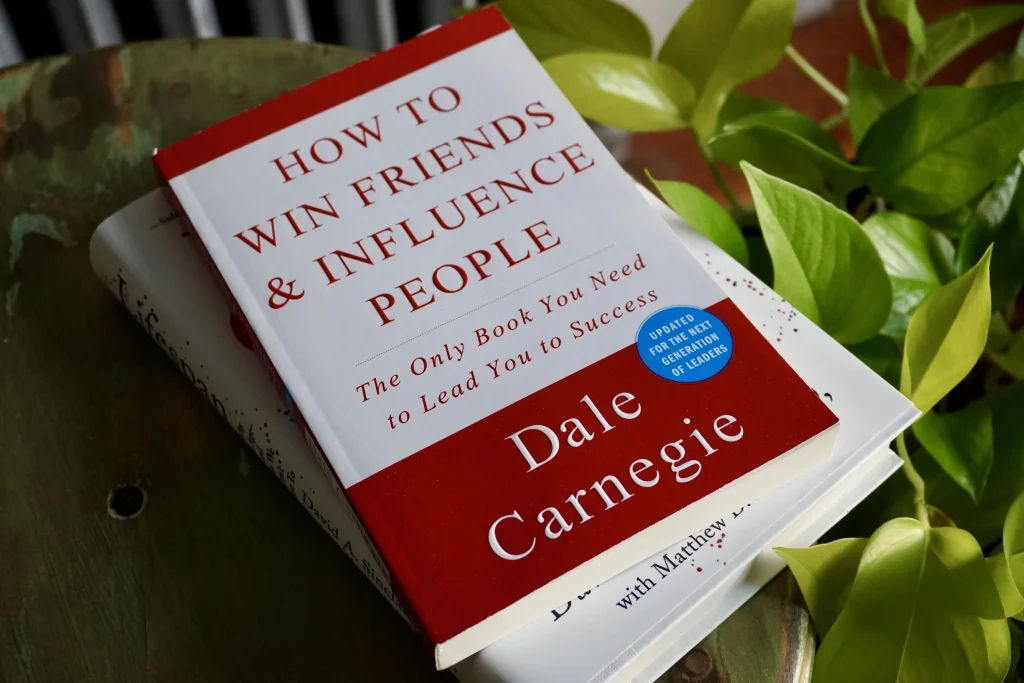
Upon closing How to Win Friends and Influence People, what lingers is not a set of mechanical communication tricks, but a subtle transformation in how we perceive people and relationships. The book does not promise instant success, nor does it offer shortcuts to admiration. Instead, Dale Carnegie patiently guides readers back to the most fundamental values: respect, sincerity, and understanding.
The true merit of How to Win Friends and Influence People lies in its rejection of manipulative cleverness in favor of a sustainable “art of living.” When people learn to place themselves in others’ positions, listen before judging, and encourage rather than criticize, relationships – whether personal or professional – become more harmonious and effective. Success, in the spirit of the book, is not about winning arguments, but about preserving mutual respect and goodwill.
On a personal level, How to Win Friends and Influence People is a book that deepens with each rereading. At different stages of life, readers discover new meanings and reminders aligned with their experiences. In youth, we read it to learn how to communicate. In maturity, we read it to learn how to work with people. And after enduring enough life’s frictions, we read it to learn how to slow down and treat others – and ourselves – with greater kindness.
In an increasingly noisy world, where people are easily swept up by ambition and ego, How to Win Friends and Influence People remains a foundational work. It not only teaches us how to “win friends,” but, more profoundly, reminds us that to touch others’ hearts, we must first learn how to cultivate our own.
If one were to choose a single book to read slowly, carefully, and repeatedly throughout life, How to Win Friends and Influence People undoubtedly deserves a place on that list.