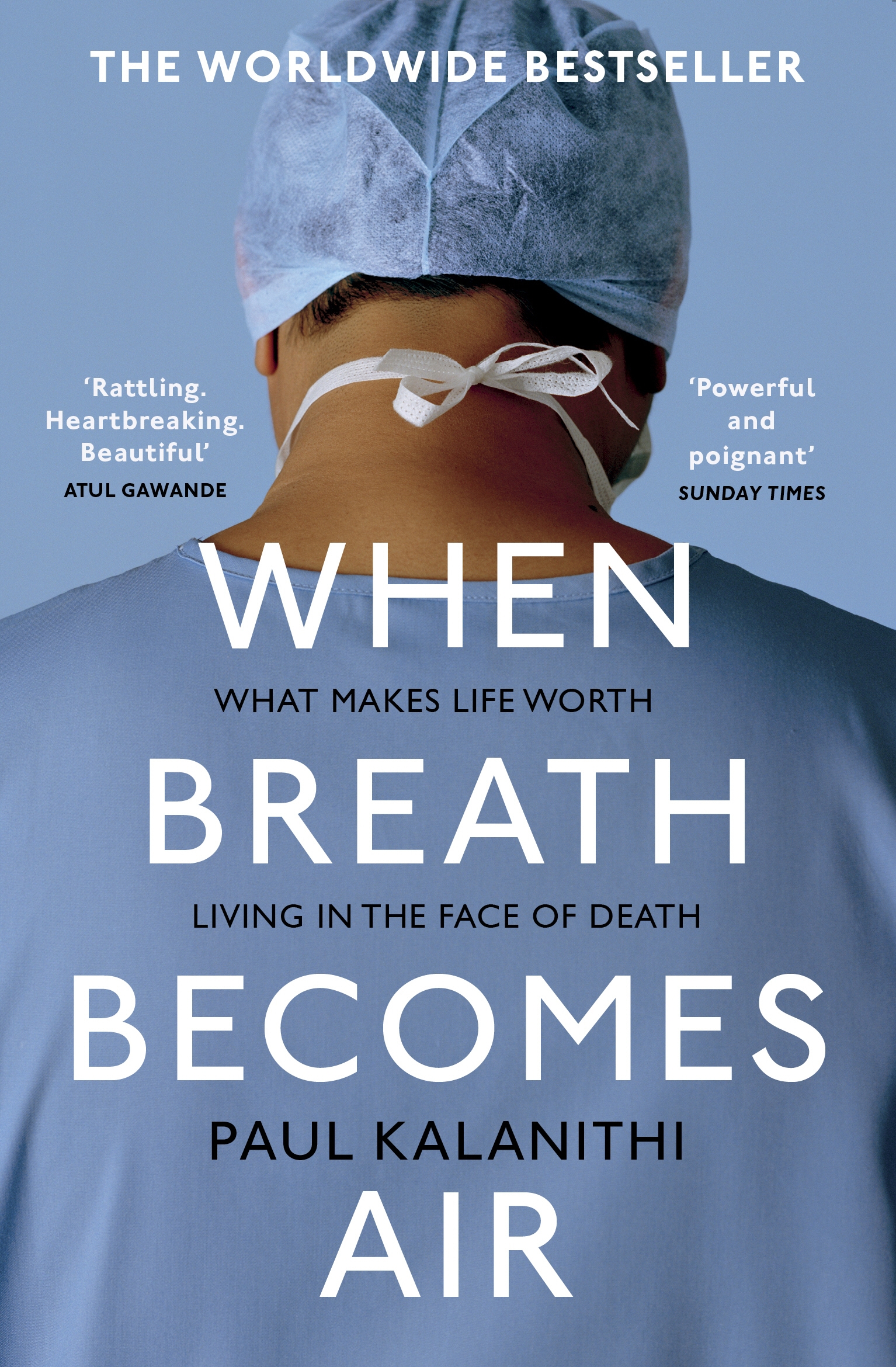
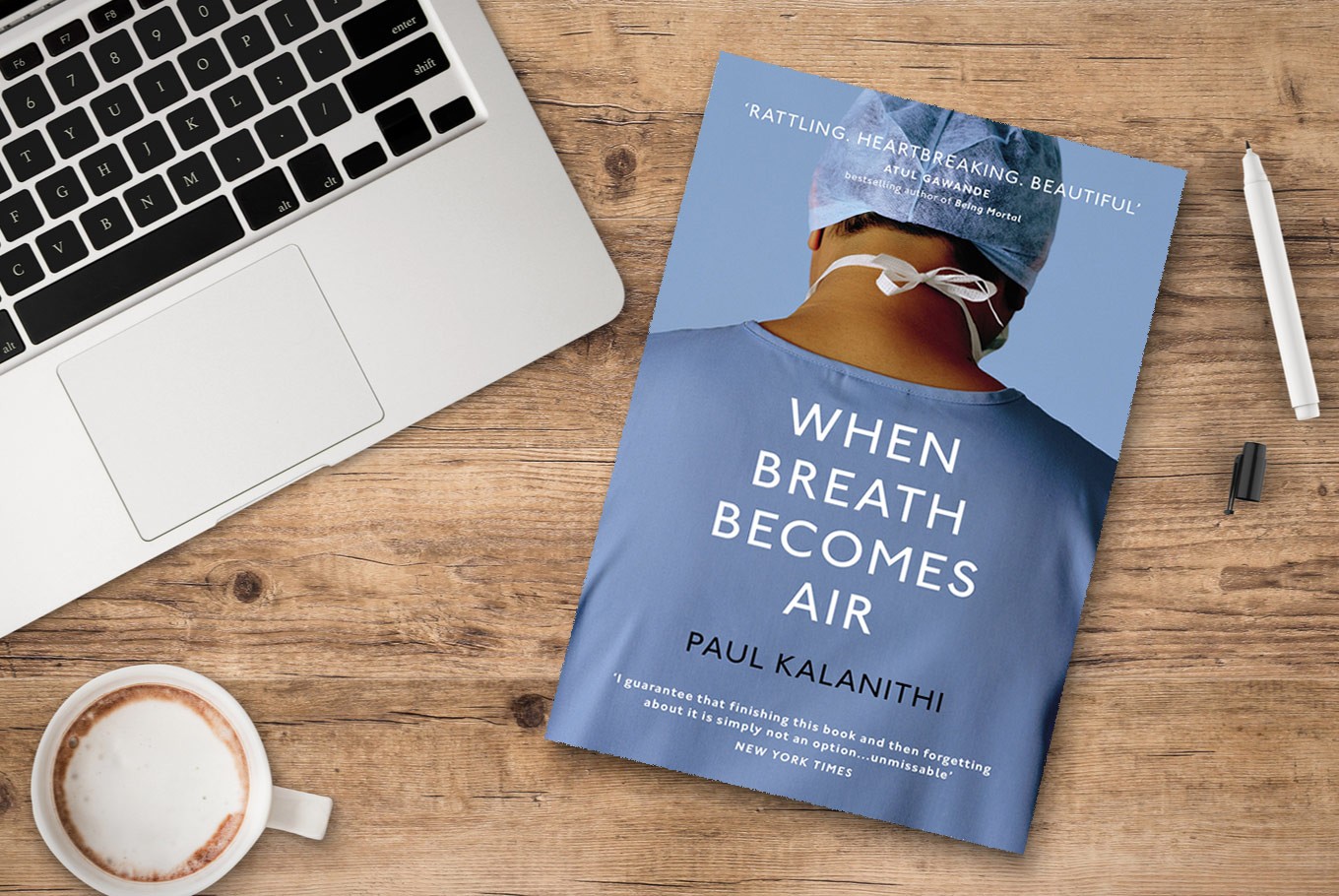
There are books that should not be read in haste, because every page compels the reader to pause, reflect, and enter into dialogue with oneself. When Breath Becomes Air is such a work. Quiet and restrained rather than dramatic or sentimental, the book gently opens up the most fundamental questions about life, death, and the meaning of human existence in a world that appears to have been almost fully explained by science.
Written from the real-life experience of a neurosurgeon at the height of his career who suddenly finds himself facing a biological death sentence, When Breath Becomes Air is not merely a medical memoir. It is a profound meditation on the human condition when time becomes finite. Within its pages, the boundaries between healer and patient, between scientific rationality and fragile existential questions, gradually dissolve.
With a calm, disciplined voice imbued with intellectual depth, the book guides readers into a process of self-examination: what makes a life worth living, when breath – the very symbol of existence – can vanish into silence at any moment? From this foundation, When Breath Becomes Air transcends the confines of a book about illness to become a deeply humanistic work that continues to resonate across generations of readers.
1. Author and Work
The author of When Breath Becomes Air is Paul Kalanithi, an American neurosurgeon and a rare intellectual figure whose humanistic grounding set him apart within modern medicine. His life and career represent a distinctive convergence of empirical science, literature, and existential philosophy – fields that may seem disparate but ultimately meet at the central question of what gives human life its meaning.
Paul Kalanithi was born in 1977 in New York into a family with strong academic traditions. He studied at Stanford University, where he pursued two seemingly divergent disciplines: human biology and English literature. Even during his undergraduate years, Kalanithi demonstrated a deep preoccupation with major philosophical questions: what makes a life worth living, and where does meaning reside in the face of suffering and death? These questions ultimately led him to choose medicine – not merely as a profession, but as the most direct path toward engaging with human mortality.
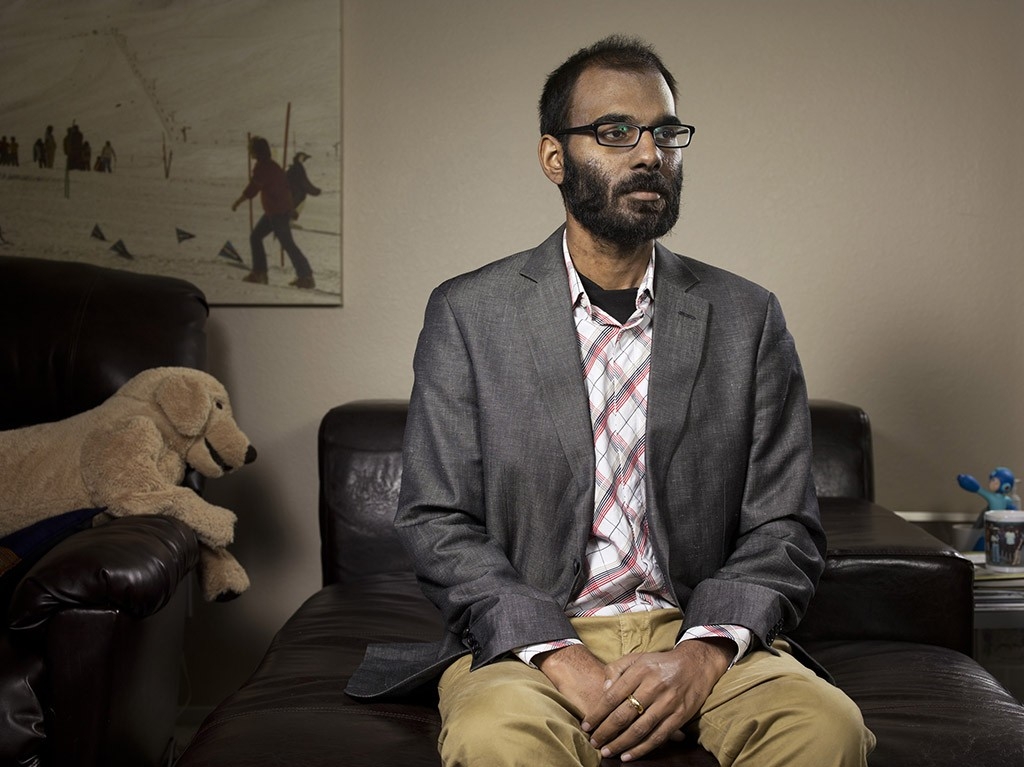
After completing a master’s degree at the University of Cambridge, Paul Kalanithi returned to the United States to attend Yale School of Medicine, followed by residency and specialized training in neurosurgery at Stanford. Neurosurgery is among the most demanding medical specialties, requiring extreme endurance, emotional resilience, and split-second decisions with life – or – death consequences. Within this environment, Kalanithi not only honed his technical expertise but also continuously reflected on the ethical responsibilities of physicians confronting the fragility of human life.
The defining turning point of his life came during the final stage of his neurosurgical training, when Paul Kalanithi was diagnosed with stage IV lung cancer – an especially cruel irony for a lifelong non-smoker in the prime of his life. From the position of physician, he was abruptly thrust into the role of patient, forced to confront firsthand the very limitations of modern medicine that he had once represented.
It was during this period that When Breath Becomes Air took shape as a sustained effort to record, reflect, and engage in an honest dialogue with his own life. The book captures not only Kalanithi’s personal experience of illness and death, but also the culmination of his intellectual journey – from literature to medicine, from professional aspiration to the acceptance of biological limits.
Paul Kalanithi passed away in 2015 at the age of 37. The book was published posthumously, with an epilogue written by his wife, Lucy Kalanithi, adding an intimate familial dimension that further completes the work’s humanistic scope. Upon its release, When Breath Becomes Air received widespread acclaim from both critics and readers, becoming one of the most influential nonfiction works in contemporary discussions of medical ethics, existential philosophy, and the meaning of human life in modern society.
2. Summary of the Narrative
When Breath Becomes Air is not structured as a straightforward chronological autobiography. Instead, it unfolds as a journey of consciousness, in which each stage of the author’s life is tied to a central existential question. The book is divided into two major parts, reflecting two contrasting yet interconnected modes of existence: the human being who holds power over the lives of others, and the human being who must confront the finitude of his own life.
In the first part, Paul Kalanithi leads readers back to his youth, a period marked by intellectual crossroads. As a gifted student deeply immersed in literature, Shakespeare, Eliot, and philosophical inquiries into death, Kalanithi seriously considered becoming a scholar in the humanities. Yet despite its spiritual depth, literature alone felt insufficiently grounded in the immediacy of life-and-death reality. This realization drew him toward medicine, where life and death cease to be abstractions and instead manifest tangibly within the human body.
Kalanithi presents the path to becoming a neurosurgeon with striking honesty, free of romanticization. His residency years emerge as a relentless cycle of exhaustion and pressure, where each surgery carries immense responsibility for a patient’s future. Beyond mastering surgical techniques and diagnostic interpretation, he learns to navigate the fear, hope, and despair of patients at their most vulnerable moments. In this role, he comes to understand that medicine is not merely about prolonging life, but about preserving dignity in the face of death.
The pivotal moment of the book – and the axis around which its philosophy turns – occurs when Paul Kalanithi, now a promising neurosurgeon, begins experiencing alarming symptoms: back pain, weight loss, and chronic fatigue. Diagnostic results soon reveal a devastating truth: stage IV lung cancer, with a prognosis measured in months. In that instant, his familiar professional identity collapses. The one who once stood at patients’ bedsides explaining prognoses must now listen as those same words are spoken to him.
From this point onward, the narrative descends into deeper existential territory. Kalanithi no longer observes life from a clinical distance but inhabits its fragility fully. He confronts the same questions he once posed to patients: how far to pursue treatment, how to hope without illusion, and whether life retains meaning when the future nearly disappears.
Rather than dwelling on clinical detail, the book explores the interior experience of living within limited time. Kalanithi writes of disorientation when long-term plans lose relevance, of the tension between hope and acceptance, and of a fear not of death itself, but of an unfinished life. In this context, he returns to literature as a spiritual anchor, seeking language capable of articulating experiences beyond the reach of science.
One of the most symbolically powerful decisions in the latter half of the book is the choice made by Paul and his wife to have a child, despite knowing he may not live to see her grow up. This decision does not stem from blind optimism, but from a lucid understanding that the value of life lies not in duration, but in depth of connection and responsibility. It exemplifies the book’s central conviction: while human beings cannot control fate, they retain the freedom to choose how they live within it.
The final pages of When Breath Becomes Air were written as Paul Kalanithi’s health steadily declined. Yet the tone remains calm rather than despairing, reaching a rare stillness. Writing, for him, is no longer a literary ambition, but an existential act – a final effort to affirm his presence in the world before breath truly dissolves into silence.
3. Thematic and Artistic Value
The enduring value of When Breath Becomes Air lies not in recounting a tragic personal fate, but in transforming individual experience into a universal inquiry: how does one live when directly confronted with the ultimate limits of existence? The book offers no simplified answers, instead constructing a reflective progression in which each life event becomes a step toward deeper understanding.
On a thematic level, the work engages a core question of existential philosophy: meaning is not preordained, but forged through human action, choice, and responsibility in irreversible circumstances. As a physician, Paul Kalanithi approaches life through intervention and control; as a patient, he must learn to live with uncertainty. This reversal grants the book its distinctive depth, allowing medicine to be seen not merely as technical practice, but as a moral space in which human limits are constantly confronted.
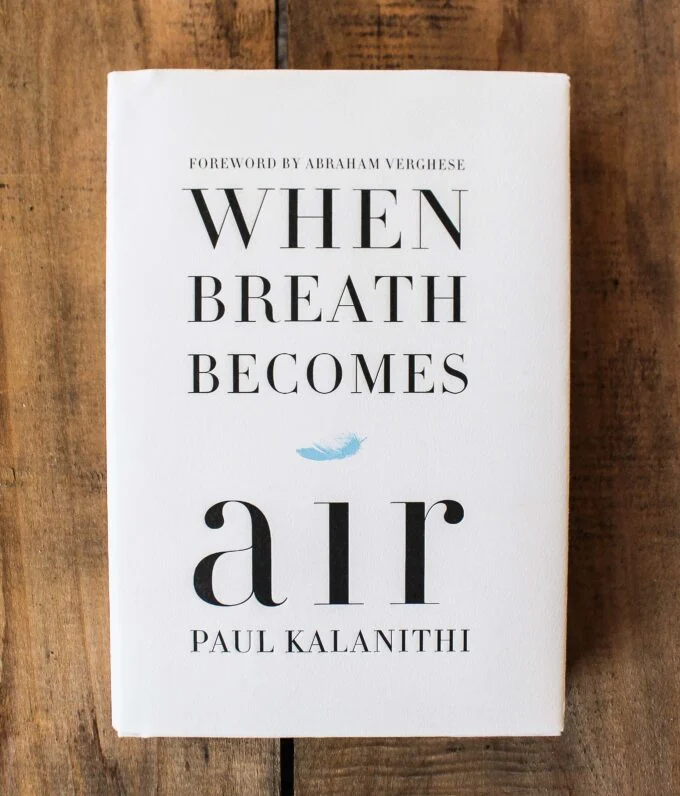
Another significant contribution of When Breath Becomes Air is its redefinition of the relationship between science and the humanities. In modern society, medicine is often regarded as a symbol of progress and mastery over disease. The book, however, demonstrates that science – however precise – cannot answer fundamental questions of purpose, suffering, or mortality. At this point of insufficiency, literature and philosophy enter as tools through which human beings comprehend and accept finitude. The work thus serves as a powerful reminder that medicine reaches fulfillment only when grounded in deep humanistic awareness.
At a deeper level, the book also interrogates the concept of time and how humans inhabit it. When the future contracts beyond long-term planning, familiar values such as success, advancement, and prestige lose their centrality. In their place, existential choices – continuing to work, forming a family, writing – become affirmations of being. The book shows that life’s meaning is not negated by proximity to death, but clarified and condensed by it.
Artistically, the book is distinguished by its restrained prose and reflective narrative structure. Paul Kalanithi avoids emotional excess or self-pity, favoring precise, composed language that alternates between scientific clarity and philosophical reflection. The interplay of medical terminology, literary allusion, and personal insight creates a style that is both intellectually rigorous and evocative, compelling readers to think rather than merely feel.
The book’s bipartite structure – clearly divided into life before and after illness – is not merely narrative but symbolic. It represents a shift from the illusion of control to an acknowledgment of limitation, from belief in linear progress to acceptance of fragility and uncertainty. Through this structure, the work achieves a depth of thought rarely found in medical memoirs.
Taken as a whole, When Breath Becomes Air functions not only as an autobiography, but as a dialogical text at the intersection of medicine, literature, and philosophy. It expands the way modern readers think about life and death – not through definitive conclusions, but through a posture of intellectual honesty and ethical responsibility toward existence itself.
4. Notable Quotations
In When Breath Becomes Air, quotations serve not merely to illustrate personal experience, but to crystallize the book’s central ideas. These concise, restrained statements carry substantial philosophical weight, compelling readers to pause and reflect rather than consume passively.
Below are representative quotations that encapsulate the work’s humanistic and existential core:
- “Learning how to die taught me how to live.”
→ This statement can be seen as the conceptual axis of the entire book, asserting that awareness of death deepens, rather than negates, the meaning of life. - “Medicine is not only a science; it is an art of uncertainty.”
→ The quote highlights the inherent limitations of medical knowledge and underscores the ethical and human judgment required in clinical practice. - “A meaningful life does not necessarily have to be a long one.”
→ This challenges the common assumption that longevity equates to value, shifting focus toward depth and quality of existence. - “I once stood by patients’ bedsides explaining death, until I became the one who had to listen.”
→ The reversal of roles exposes the fragility of social positions when confronted with mortality. - “Time is no longer something to plan, but something to cherish.”
→ As the future narrows, time is redefined not as an unlimited resource, but as a consciously valued presence. - “Hope is not a denial of reality, but a way of facing it.”
→ This clarifies the distinction between lucid hope and naïve optimism throughout the author’s illness. - “Love does not diminish when death approaches; it becomes clearer.”
→ The quote emphasizes the central role of human relationships in sustaining meaning under finitude. - “Writing is how I affirm that I still exist.”
→ Here, literature becomes an existential act rather than an artistic ambition. - “You may not choose your circumstances, but you can choose how to live within them.”
→ A distinctly existential assertion affirming human agency even under predetermined conditions.
Through these quotations, When Breath Becomes Air reveals its power not through ornate language, but through distilled insights drawn from lived experience – insights that extend far beyond the scope of a personal memoir.

5. Conclusion
Upon closing When Breath Becomes Air, what lingers is not sorrow over a shortened life, but a heightened awareness of how human beings choose to live within their limits. Through the journey of Paul Kalanithi – a physician navigating the space between healer and patient – the book opens a broad field of reflection on life’s meaning, one in which science relinquishes its claim to absolute authority in favor of fundamental human questions.
The work demonstrates that death does not erase the value of life; rather, it illuminates what truly matters. When the future can no longer be measured in years, individuals are compelled to return to the present, to relationships, responsibility, and existential choice. In this context, When Breath Becomes Air affirms a consistent thesis: meaning is not found in extending existence at all costs, but in living consciously, deeply, and with dignity.
On a personal level, the book exerts a quiet but enduring influence. It does not urge dramatic transformation, but gently reframes foundational questions about purpose, vocation, and how one confronts loss and finitude. This is its lasting power – prompting reflection long after the final page is turned, encouraging a slower, more deliberate engagement with everyday choices. With its intellectual depth, restrained prose, and profound humanistic value, When Breath Becomes Air stands as one of the most significant nonfiction works of the twenty-first century. It offers no final answers to the meaning of life, but grants something more enduring: the capacity to ask the right questions, and the courage to live fully within them – even when breath may, at any moment, dissolve into silence.