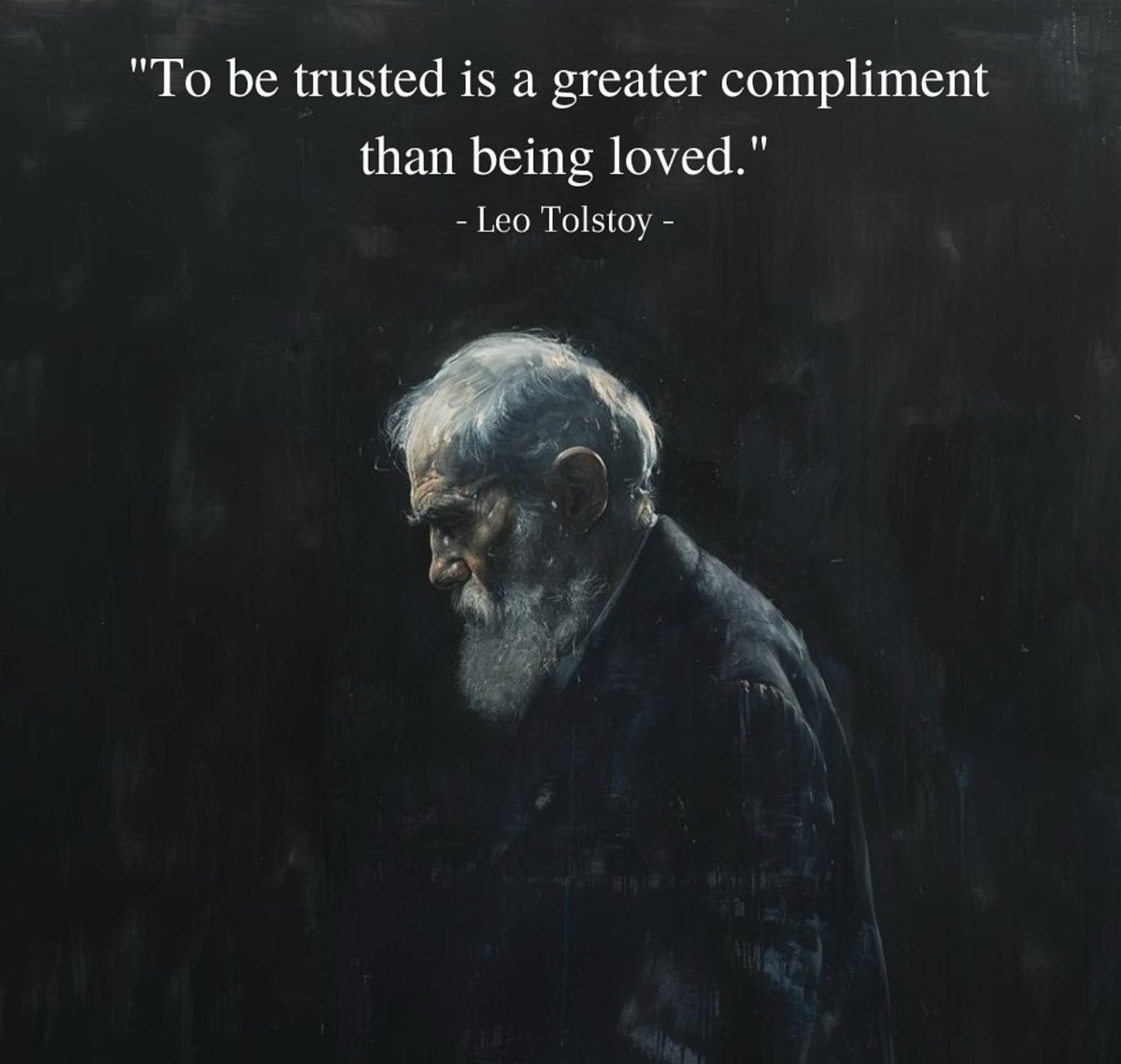
In the course of the development of world literature, Leo Tolstoy is widely regarded as one of the most representative figures of nineteenth-century realist literature. His name is closely associated with monumental works that profoundly reflect social life, historical realities, and, above all, the complex inner world of human beings. Beyond his stature as a great novelist, Leo Tolstoy is also considered a major thinker who employed literature as a means to question fundamental issues of morality, faith, and the meaning of human existence.
Transcending the boundaries of Russia, Tolstoy’s works have captivated readers around the world thanks to their enduring humanistic value and universal intellectual significance. The themes of war and peace, love and tragedy, faith and doubt in his writings not only portray a specific historical period but also raise questions of lasting relevance to humanity. For this reason, exploring the life and career of Leo Tolstoy is not merely an attempt to outline the portrait of an outstanding writer, but also a way for readers to engage with the profound ideas that have secured his distinctive position in the history of world literature.
1. A Brief Introduction to the Author
Leo Tolstoy, whose full name is Lev Nikolayevich Tolstoy, was born on September 9, 1828, at Yasnaya Polyana, a large estate in Tula Province in central Russia. He was born into an old aristocratic family with a long tradition of military service and involvement in Russian political life. This background allowed Tolstoy early access to a classical education and provided him with deep insight into the structure of Russian society, particularly the sharp contrast between the nobility and the peasantry.
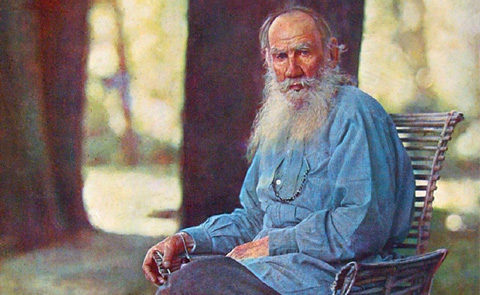
Tolstoy’s childhood was marked by significant loss. He lost his mother at the age of two and his father when he was nine, after which he was raised by relatives. These early bereavements left a profound imprint on his spiritual life, shaping a reflective and sensitive mind deeply concerned with issues of life, death, and human destiny. Yasnaya Polyana was not only his birthplace but also became a vital spiritual space, recurring frequently in his literary works and philosophical reflections.
In 1844, Tolstoy enrolled at Kazan University, initially studying Oriental Languages and later Law. However, he soon became disillusioned with formal academic education, perceiving a gap between institutional learning and his quest for self-understanding, which led him to abandon his studies. During this period, Tolstoy lived a life filled with contradictions: he pursued knowledge while simultaneously indulging in the pleasures of young aristocratic society. This inner conflict later became an important source of material for his autobiographical and psychologically insightful works.
A major turning point in Tolstoy’s life occurred when he joined the army and experienced war firsthand, particularly during the Crimean War. His years in military service exposed him to the brutality of warfare, the fragility of human life, and the irrationality of violence. These experiences not only shaped his strong anti-war stance but also laid the foundation for his later major literary achievements.
Beyond his role as a writer, Leo Tolstoy is also known as a moral thinker and social reformer with far-reaching influence. In his later years, he devoted himself to reflections on religion, ethics, education, and human ways of living, developing a system of thought characterized by humanism, nonviolence, and personal responsibility. The combination of rich personal experience and profound intellectual depth ultimately shaped Leo Tolstoy as both a great artist and an influential intellectual whose impact extends beyond literature.
2. Literary Career
Leo Tolstoy’s literary career spanned more than half a century and was closely intertwined with profound changes in his spiritual life and intellectual outlook. Scholars often divide his creative journey into three major stages, corresponding to his artistic maturation and the transformation of his worldview.
In the early stage of his career, Tolstoy emerged in Russian literature with a series of autobiographical works such as Childhood, Boyhood, and Youth. These writings not only directly reflected his personal experiences but also demonstrated his early talent for keen observation and deep psychological analysis. By portraying the formation of a young individual’s character, Tolstoy began to raise questions about education, morality, and self-awareness – themes that would persist throughout his career.
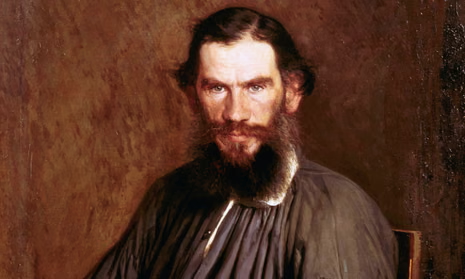
Entering his most prolific creative period, Tolstoy reached the pinnacle of his artistry with epic novels of grand scope. His direct experience in the army, especially during the Crimean War, provided rich realist material for the creation of War and Peace. This novel not only presents a panoramic depiction of Russian society during the Napoleonic Wars but also addresses philosophical questions concerning history, the role of individuals, and human destiny. With its monumental scale, complex character system, and intellectual depth, War and Peace is widely regarded as one of the greatest achievements in world literature.
Following this success, Anna Karenina marked a clear shift toward the exploration of inner life and moral conflicts within Russian aristocratic society. Moving away from grand historical events, the novel delves deeply into personal tragedy, particularly the fate of women constrained by rigid moral codes. Anna Karenina is considered a pinnacle of psychological realism, showcasing Tolstoy’s mastery in portraying the intricate contradictions of human consciousness.
The final stage of Tolstoy’s literary career was closely associated with spiritual crises and a powerful moral and religious awakening. He gradually moved away from purely fictional narratives to focus on works of philosophical, social, and educational nature. The novel Resurrection exemplifies this period, clearly reflecting his critique of social injustice and his call for moral reform. In addition, essays such as My Confession and The Kingdom of God Is Within You demonstrate that Tolstoy was not only a literary artist but also a thinker of profound influence.
Throughout his literary career, Leo Tolstoy consistently placed literature in close relationship with life and social responsibility. For him, writing was not merely an artistic pursuit but a process of self-examination, a search for truth, and a means of guiding humanity toward enduring moral values.
3. Artistic Style and Thought
Leo Tolstoy’s artistic style was formed on the foundation of nineteenth-century Russian realism, yet it transcended the limits of a literary movement to become a distinctive artistic system of his own. He did not merely reflect social reality but also explored the spiritual and moral laws governing human behavior and destiny. This harmonious combination of objective realism and intellectual depth constitutes the essence of Tolstoy’s artistic style – monumental in scope and subtle in psychological insight.
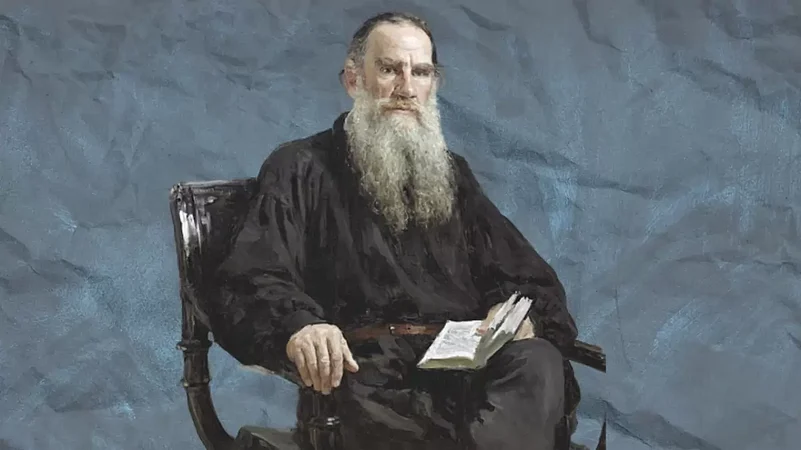
One of the most prominent features of Tolstoy’s art is his ability to depict reality with remarkable detail and authenticity. He meticulously portrayed daily life, customs, social practices, and historical contexts, creating comprehensive portraits of contemporary Russian society. However, the reality in Tolstoy’s works is not simple imitation; it is carefully selected and structured to illuminate moral and spiritual conflicts within the historical flow.
Tolstoy is also regarded as a master of psychological analysis. His characters are not fixed types but evolving individuals shaped by complex inner contradictions. He paid particular attention to moments of self-awareness, when individuals confront conscience, responsibility, and the meaning of their existence. These subtle psychological explorations render his characters vivid, authentic, and enduringly compelling.
In terms of ideology, Leo Tolstoy upheld a profound humanism. He consistently placed human beings at the center of his thought, opposing war, violence, and all forms of social oppression. His firsthand experience of war led him to a critical view of the false glory of violence. In many works, he emphasized the absurdity of war and the suffering it inflicts, thereby affirming the values of peace and compassion.
Another central pillar of Tolstoy’s thought is morality and faith. He rejected formalistic religious dogma in favor of a spiritual life grounded in conscience, love, and personal responsibility. Tolstoy believed that social transformation must begin with the moral self-perfection of individuals, achieved through simplicity, honest labor, and empathy for others.
Thus, Leo Tolstoy’s artistic style and thought not only create aesthetic value but also serve as a guide for human understanding. His literature becomes a space for dialogue between individuals and themselves, society, and universal human questions. This fusion of intellectual depth and artistic power has secured Tolstoy’s lasting influence in world literature, with his ideas of nonviolence and moral resistance profoundly affecting global social movements.
4. Legacy and Contributions
The legacy Leo Tolstoy left to world literature and human thought extends far beyond a prolific body of work. He is regarded as one of the figures who reshaped the modern novel, transforming it into a powerful medium for reflecting social reality, analyzing human psychology, and addressing profound philosophical questions. For Tolstoy, literature was not merely storytelling but a means of exploring truth and fostering human self-awareness.
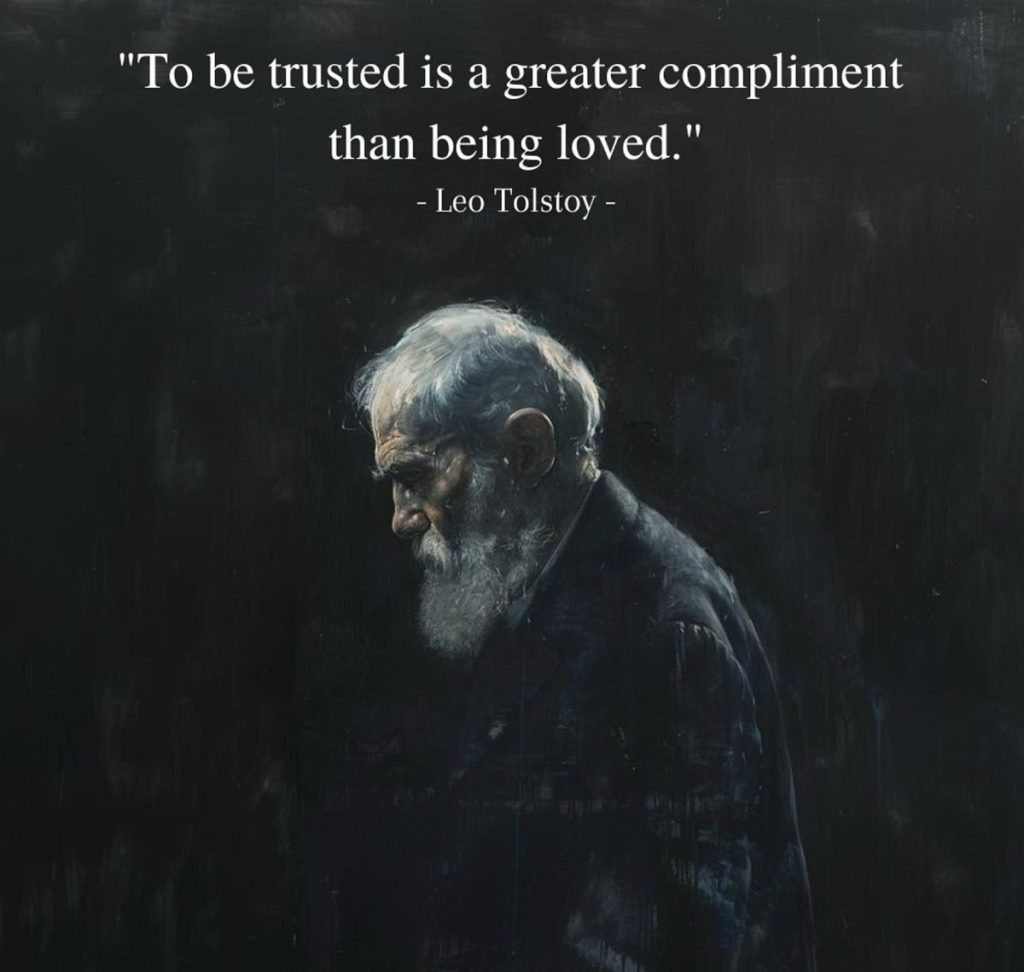
His most significant contribution lies in expanding both the scope and depth of realist fiction. Through major works such as War and Peace and Anna Karenina, Tolstoy demonstrated that the novel could encompass multiple social classes, character networks, and ideological dimensions while maintaining artistic unity. His flexible narrative structures – blending narration, description, dialogue, and philosophical reflection – had a profound influence on the evolution of the modern novel.
Beyond artistic achievements, Tolstoy’s legacy is deeply rooted in his ethical philosophy. He upheld universal values such as love, compassion, honesty, and personal responsibility, while strongly condemning war, violence, and social injustice. His doctrine of moral resistance and nonviolence directly influenced major historical figures, most notably Mahatma Gandhi, who openly acknowledged Tolstoy’s profound impact on his thinking.
Tolstoy’s influence also extended widely within global literary and academic circles. Prominent twentieth-century writers such as Thomas Mann, Ernest Hemingway, Virginia Woolf, and Romain Rolland all expressed admiration for and were influenced by his realism, psychological insight, and intellectual stature. His works have been translated into hundreds of languages and continue to be essential subjects of scholarly research worldwide.
Beyond literature, Leo Tolstoy made significant contributions to education and social reform. He founded and taught at schools for peasant children, advocating educational methods that emphasized freedom, individuality, and experiential learning. These progressive ideas reflect his commitment to translating humanistic ideals from literature into social practice.
It can be affirmed that Leo Tolstoy’s legacy transcends time and national boundaries. His contributions to literature, philosophy, and education constitute a lasting value that continues to shape humanity’s understanding of art, morality, and the meaning of life.
5. Major Works
Throughout a creative career spanning more than half a century, Leo Tolstoy produced an extensive body of work across various genres, including novels, novellas, short stories, philosophical essays, and educational writings. Each work bears a strong imprint of humanistic thought, moral consciousness, and profound insight into nineteenth-century Russian society. Among these, many have transcended their era to become classics of world literature.
- War and Peace (1869): Regarded as Tolstoy’s greatest masterpiece, this novel offers a comprehensive portrayal of Russian society during the Napoleonic Wars. Beyond its epic historical scope, the work raises profound philosophical questions about history, war, free will, and human destiny, affirming Tolstoy’s monumental artistic and intellectual stature.
- Anna Karenina (1877): A quintessential example of Tolstoy’s psychological realism, the novel explores intense moral conflicts within aristocratic society through Anna’s tragic love and fate. It addresses enduring questions of personal happiness, social obligation, and the position of women within traditional moral frameworks.
- Resurrection (1899): This novel reflects Tolstoy’s late-life ideological stance, offering a sharp critique of the judicial system, prisons, and social injustice. It is a powerful call for moral awakening, ethical reform, and personal responsibility.
- The Death of Ivan Ilyich (1886): This celebrated novella centers on reflections about death, the hypocrisy of social life, and the true meaning of existence. Despite its brevity, it is regarded as one of Tolstoy’s most profound philosophical works.
- Family Happiness, Childhood, Boyhood, and Youth: These semi-autobiographical works depict the formation of human character, highlighting Tolstoy’s enduring concern with education, morality, and spiritual growth.
In addition to his fiction, philosophical writings such as A Confession and The Kingdom of God Is Within You occupy an important place in Tolstoy’s legacy, demonstrating that he was not only a great writer but also a thinker of significant influence.
Overall, Leo Tolstoy’s major works are distinguished not only by their artistic excellence and monumental scale but also by their profound humanistic vision and ability to portray human destiny within broad historical and social contexts. This harmonious fusion of artistic mastery and progressive thought secures Tolstoy’s enduring position in world literature. Tolstoy một vị trí bền vững trong kho tàng văn học thế giới.
6. Conclusion
From a life marked by profound upheavals to an extraordinary literary career and a deep system of thought, Leo Tolstoy stands as one of the greatest figures in world literature. He not only truthfully depicted nineteenth-century Russian society with its historical, social, and moral conflicts, but also explored universal questions of human existence, responsibility, faith, and compassion.
The core value of Tolstoy’s legacy lies in the harmonious integration of exceptional artistic talent and profound humanistic thought. His literature is both epic in scope and subtle in its psychological insight, elevating realist fiction to a new level and transforming it into a medium for dialogue between individuals, society, history, and the self.
To this day, Leo Tolstoy’s works retain their vitality and contemporary relevance. They are read not only as literary masterpieces but also as moral and philosophical texts that continue to guide understanding and nurture humanistic values across generations. It is this enduring intellectual influence that firmly secures Leo Tolstoy’s irreplaceable position in the treasury of world literature.