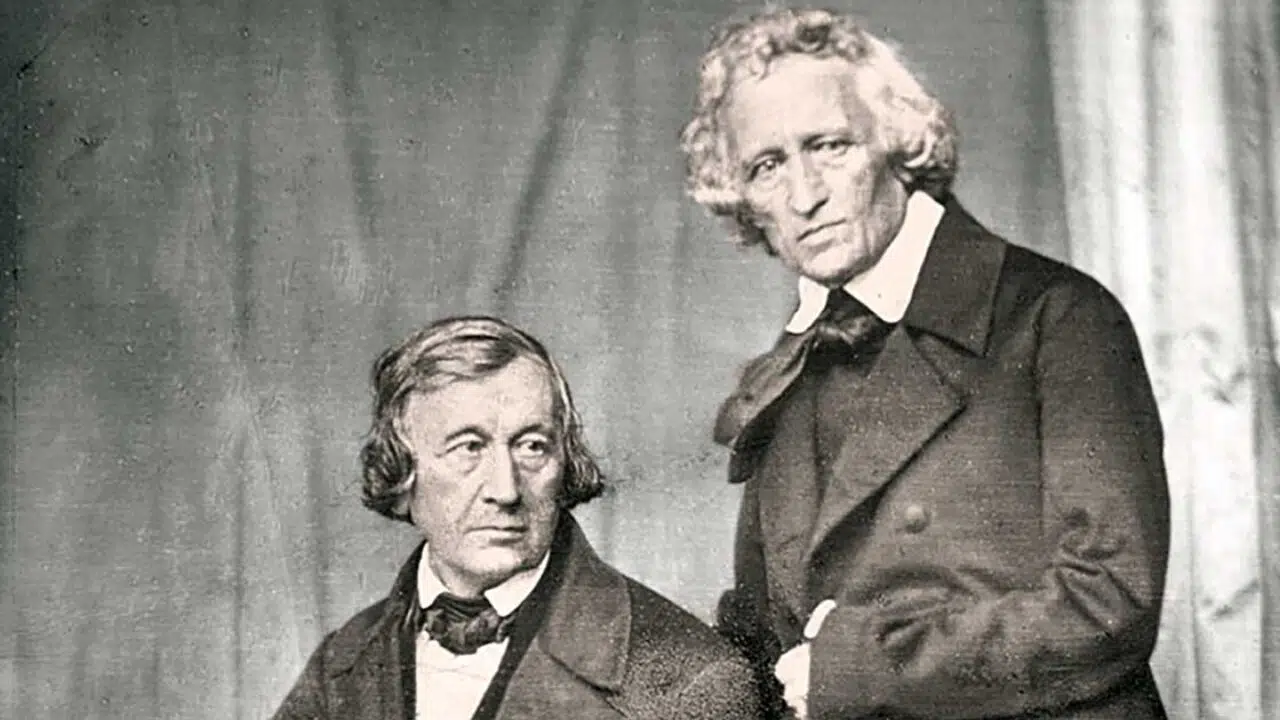
In the history of world literature, few authors have exerted an influence so profound and enduring that their works become part of the shared memory of generations of readers worldwide. Within the context of European folk literature, this position belongs to the Brothers Grimm – two German scholars who played a decisive role in preserving, systematizing, and disseminating a vast body of oral folk tales that had existed scattered throughout popular culture for centuries. Stories once told by the fireside or within family settings, seemingly simple and ephemeral, were transformed through their efforts into literary texts of lasting value, transcending the boundaries of time, space, and culture.
Emerging in early nineteenth-century Germany – a period marked by political fragmentation and an ongoing search for national identity – the Brothers Grimm approached folk tales not merely as storytellers, but first and foremost as scholars of language and culture. They regarded folk literature as a form of “collective memory,” reflecting the spiritual life, moral values, beliefs, and primordial fears of a people. From this perspective, Grimm’s fairy tales went beyond entertainment or moral instruction to become significant materials for the study of social history, collective psychology, and the cognitive structures of traditional European societies.
More than two centuries later, works associated with the name of the Brothers Grimm continue to be republished, adapted, and reinterpreted across a wide range of media, including children’s literature, film, theater, and academic research. This enduring presence demonstrates the exceptional vitality of folk narratives when organized through rigorous scholarly methods and guided by a broad cultural vision. Studying the Brothers Grimm, therefore, is not merely an exploration of two influential authors, but an entry point into one of the most important foundations of folk literature and the human imagination.
1. Brief Introduction to the Authors
The Brothers Grimm – Jacob Ludwig Karl Grimm (January 4, 1785 – September 20, 1863) and Wilhelm Carl Grimm (February 24, 1786 – December 16, 1859) – were German scholars, writers, and researchers of folklore who occupied a distinctive position in nineteenth-century European intellectual history. They are widely known not only as collectors of fairy tales, but also as representative intellectuals of the German cultural revival during a period when the nation had yet to achieve political and linguistic unity.
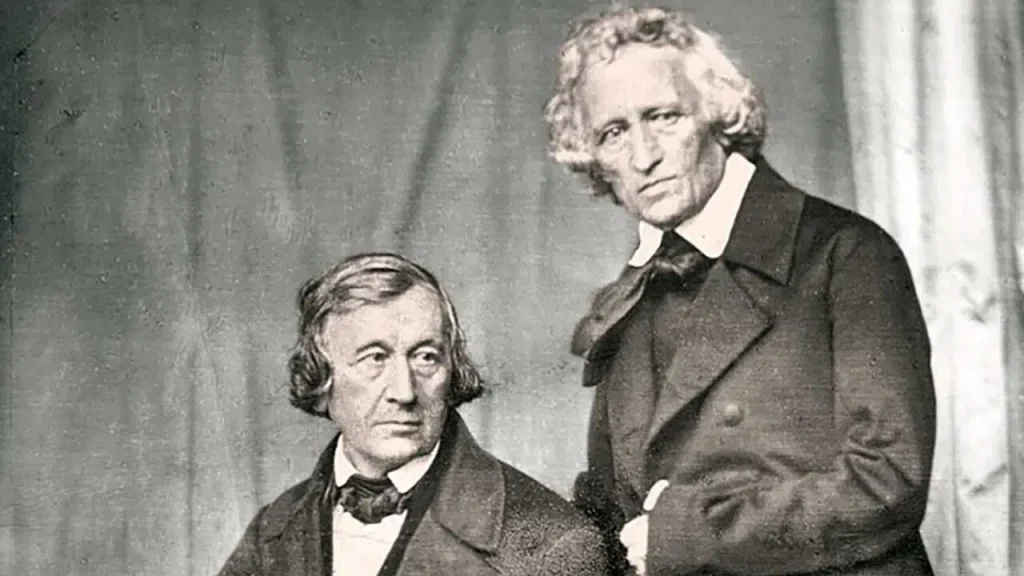
The two brothers were born in the town of Hanau, within the Electorate of Hesse, into a middle-class family with strong educational traditions. Their father was a lawyer and civil servant, which allowed Jacob and Wilhelm early access to books, legal thinking, and disciplined academic habits. However, his early death placed the family under financial strain, compelling the brothers to develop a strong sense of responsibility and a close bond in both study and life – an element that would profoundly shape their later scholarly collaboration.
Jacob and Wilhelm Grimm studied together at the University of Marburg, initially pursuing law in accordance with family expectations. There, they came under the influence of Friedrich Carl von Savigny, a prominent scholar who viewed law and language as products of historical development and national spirit. This intellectual framework prompted the brothers to shift their focus from law to the study of ancient literature, linguistics, and folklore, laying the foundation for their lifelong academic pursuits.
In terms of temperament and scholarly orientation, Jacob Grimm is often regarded as the more systematic thinker, inclined toward linguistic, historical, and structural research. Wilhelm Grimm, by contrast, demonstrated greater sensitivity to literary expression, paying closer attention to narrative form, rhythm, and reader reception. Rather than creating division, this difference proved complementary, enabling their joint works to maintain both scholarly rigor and literary appeal.
Throughout their lives, the Brothers Grimm were active not only as writers but also as respected academics, holding positions in libraries and universities in Kassel, Göttingen, and Berlin. They played an important role in German intellectual life and contributed significantly to the establishment of German studies (Germanistik) as an interdisciplinary field encompassing language, literature, and cultural history.
Thus, from their early biographies and academic trajectories, the Brothers Grimm clearly emerge not merely as storytellers, but as intellectuals deeply committed to preserving and interpreting national cultural heritage. This foundational orientation shaped their entire scholarly and creative careers, explaining why their legacy extends across both folk literature and modern humanistic scholarship.
2. Literary and Scholarly Career
The literary and scholarly careers of the Brothers Grimm were unified by a consistent objective: to preserve, systematize, and interpret German folk culture at a time of profound social change in early nineteenth-century Europe. Rather than approaching literature as creators of pure fiction, Jacob and Wilhelm Grimm treated folk narratives as historical and cultural documents that reflected the spiritual life, moral values, and cognitive structures of the community.
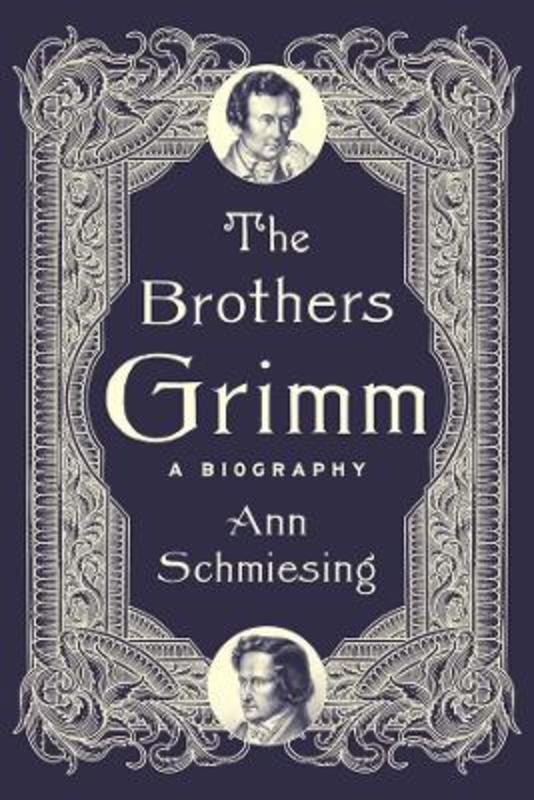
A major turning point in their careers occurred in the early nineteenth century, when they began collecting fairy tales from a wide range of sources, including oral accounts from ordinary people, ancient manuscripts, and stories preserved within bourgeois and intellectual circles. This process revealed their serious scholarly perspective: folk tales were not individual inventions, but collective creations shaped by history and transmitted across generations through language and communal memory.
The outcome of this effort was the publication of Kinder- und Hausmärchen in 1812, a milestone in the history of European folk literature. In its earliest editions, the tales were recorded relatively faithfully to oral sources, retaining dark, violent, and harsh elements reflective of traditional rural life. This underscores the fact that the brothers’ initial aim was scholarly documentation rather than the production of children’s literature.
Over subsequent editions, however, particularly under Wilhelm Grimm’s increasingly careful editorial work, the tales were revised in language, structure, and moral emphasis to make them more accessible to family audiences. These revisions did not undermine the core value of the stories; rather, they enhanced their universality and broader appeal. Through this gradual process, Kinder- und Hausmärchen evolved from an academic collection into one of the most influential literary works in world history.
Alongside fairy tales, the Brothers Grimm produced numerous other significant scholarly works. Among these, Deutsche Sagen (1816–1818), a collection of German legends emphasizing historical and mythological elements, played a key role in linking folk literature with national history and clarifying the function of legend in shaping collective identity.
Jacob Grimm also emerged as a pioneer in historical linguistics through works such as Deutsche Grammatik and his formulation of the consonant shift later known as Grimm’s Law. These contributions extended far beyond German studies, influencing comparative linguistics and the study of Germanic languages more broadly. They clearly demonstrate that the Grimm brothers’ impact extended well beyond literature into the foundations of modern humanistic scholarship.
Another monumental undertaking was Deutsches Wörterbuch, a comprehensive historical dictionary of the German language initiated in 1838. Although the brothers were unable to complete the entire project within their lifetimes, their early contributions laid the groundwork for one of the most significant lexicographical achievements in European scholarship.
Taken as a whole, the Brothers Grimm’s career represents a close integration of literature, linguistics, and cultural studies. Their works not only enriched the corpus of folk literature, but also introduced new methodological approaches to the study of traditional culture. This interdisciplinary synthesis accounts for the enduring value of their legacy and secures their position as central figures in the history of world literature and the humanities.
3. Artistic Style and Ideology
The artistic style of the Brothers Grimm emerged from an intersection between early nineteenth-century German Romanticism and a scholarly approach to folklore. Unlike many contemporaries who viewed literary creation as an expression of personal subjectivity, the Grimms approached folk narratives as collectors and systematizers, treating each tale as a cultural unit reflecting communal spiritual life. This perspective produced a distinctive style – simple in form, yet rich in symbolic depth and ideological significance.
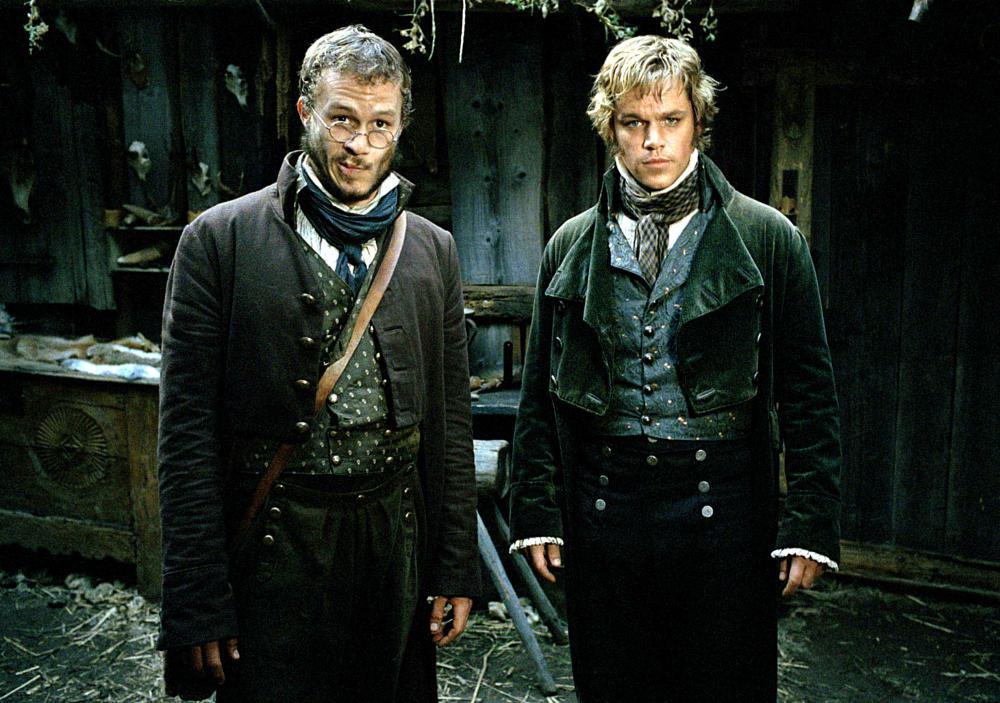
Artistically, Grimm tales are typically structured in a linear and straightforward manner, employing direct narration and minimal rhetorical ornamentation. Characters are not individualized through complex psychological development, but instead function as archetypes: the virtuous, the greedy, the oppressed, tyrannical authority figures, or supernatural forces. This typological approach facilitates memorization and oral transmission while allowing moral values to be conveyed clearly.
Beneath this formal simplicity lies a dense system of symbolism. Elements such as forests, roads, houses, witches, monsters, and magical transformations function not merely as narrative devices, but as representations of psychological states and universal human experiences. The forest often symbolizes chaos and trial, where characters confront fear and loss, while the journey through hardship reflects a longing for order, justice, and maturation.
Ideologically, Grimm fairy tales express traditional moral concepts of pre-modern European society. Good and evil are sharply distinguished, and narrative resolutions typically reaffirm moral order: the virtuous are rewarded, and the wicked are punished. Yet this moral framework is not presented dogmatically; instead, it reflects concrete social anxieties such as poverty, injustice, familial conflict, and human vulnerability to power.
Another defining ideological feature is the coexistence of realism and the supernatural. Magic, curses, and fantastical beings are not separated from everyday life, but are integrated seamlessly into the narrative world. This worldview reflects folk consciousness, in which rationality and myth, reality and imagination, were not strictly divided. This fusion has contributed significantly to the enduring appeal of Grimm’s tales, allowing them to be reinterpreted across diverse cultural contexts.
The Brothers Grimm also demonstrated a strong commitment to preserving national identity. By prioritizing German folk narratives and maintaining traditional linguistic structures and motifs, they helped construct a unified image of German culture during a period of political fragmentation. In their view, folk literature was not mere entertainment, but a spiritual foundation of the national community.
From a modern perspective, the Grimms’ artistic style and ideology reveal a rare synthesis of universality and historical specificity. Their tales reflect the social conditions of nineteenth-century Europe while addressing timeless human concerns such as fear, hope, justice, and personal growth. This duality explains why their works continue to inspire literature, art, and academic inquiry worldwide.
4. Legacy and Contributions
The legacy of the Brothers Grimm within world literature and culture is vast in scope and enduring in depth, extending far beyond the confines of a simple fairy-tale collection. Through their efforts to collect, edit, and systematize folk narratives, they helped establish folk literature as an indispensable component of literary history and the humanities. From this point onward, fairy tales were no longer regarded as trivial entertainment, but as cultural documents reflecting social structures, collective consciousness, and spiritual history.
Their most significant contribution lies in the preservation and standardization of European – particularly German – folk narratives. In an era when modernization threatened oral traditions, the Grimms’ work ensured that stories once transmitted only verbally were recorded, studied, and disseminated globally. This act of preservation enabled folk tales to become objects of education, research, and cross-cultural exchange.
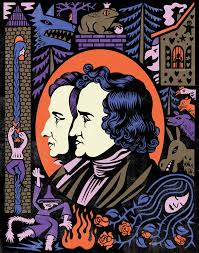
From a literary perspective, the Brothers Grimm are often credited with laying the foundations of modern children’s literature. Although not originally intended for young readers, the gradually revised editions of their tales established a narrative model suitable for children while retaining intellectual and moral depth. This model profoundly influenced subsequent writers and publishers and shaped the evolution of children’s literature over the past two centuries.
Their influence also extends beyond literature into fields such as psychology and psychoanalysis, where Grimm fairy tales have served as rich material for the interpretation of symbols, dreams, and the unconscious. Scholars have drawn upon Grimm motifs to analyze developmental processes, internal conflict, and the relationship between the individual and society, highlighting the multilayered potential of folk narratives in modern thought.
In popular culture, the Brothers Grimm’s legacy continues through countless adaptations in film, theater, animation, and television. While these reinterpretations vary according to contemporary values and tastes, they consistently retain core narrative structures and symbolic elements. This adaptability has allowed Grimm tales to remain culturally relevant and creatively productive across generations.
Academically, the Brothers Grimm also made foundational contributions to historical linguistics and cultural studies. Their work in grammar and lexicography established principles for studying language development in relation to history and society. Their interdisciplinary approach – integrating linguistics, literature, and cultural history – remains influential within modern humanities research.
Ultimately, the Grimm legacy resides not merely in the number of tales preserved, but in the methodological rigor and cultural vision they introduced. They demonstrated that folk narratives, despite their apparent simplicity, possess profound capacity to illuminate human nature and social life. For this reason, the Brothers Grimm are remembered not only as custodians of childhood imagination, but as central figures in the intellectual history of humanity.
5. Major Works of the Brothers Grimm
Within the extensive body of work produced by the Brothers Grimm, several key publications stand out for their cultural and scholarly significance. These works reflect both their commitment to preserving folk culture and their systematic academic vision..
- Kinder- und Hausmärchen (1812–1857)
The most renowned collection by the Brothers Grimm, comprising over 200 folk tales. This work not only shaped European children’s literature but also established international standards for the collection and presentation of fairy tales. - Deutsche Sagen (1816–1818)
A compilation of German legends emphasizing historical and mythological themes, contributing to a deeper understanding of the relationship between folk literature and national history. - Deutsches Wörterbuch (initiated in 1838)
A large-scale historical dictionary of the German language, documenting linguistic development across centuries and regarded as one of Europe’s most significant lexicographical projects. - Deutsche Grammatik (1819–1837)
Authored by Jacob Grimm, this work laid the foundation for comparative grammar of the Germanic languages and exerted lasting influence on modern linguistics.
Collectively, these works confirm the Brothers Grimm’s central position in folk literature while establishing them as pioneering scholars in linguistics and cultural studies. Their enduring value lies in their ability to connect past and present, tradition and modernity, science and literature.
6. Conclusion
Viewed as a whole, the Brothers Grimm were not merely collectors of fairy tales, but foundational scholars who reshaped modern approaches to folk literature and oral cultural heritage. Through systematic collection, editing, and analysis, they transformed scattered popular narratives into a coherent body of texts with lasting academic and cultural significance.
Their careers illustrate the intrinsic connection between literature, language, and cultural history. Fairy tales, in their conception, do not exist in isolation, but directly reflect social structures, moral frameworks, and collective mentalities of traditional European societies. At the same time, their linguistic and lexicographical research laid the groundwork for historical-comparative studies of the German language and expanded the scope of modern humanities.
The influence of the Brothers Grimm extends far beyond the nineteenth century. Their works continue to be republished, adapted, and reinterpreted across diverse cultural contexts, spanning education, academic research, and popular culture. This enduring relevance demonstrates that the value of Grimm fairy tales lies not in fixed forms, but in their capacity to evolve and engage with new generations of readers.
From the perspective of literary history, the Brothers Grimm can be seen as a bridge between tradition and modernity, between oral culture and written literature, and between scholarly research and artistic creation. The legacy they left behind not only enriches world literature, but also affirms the vital role of folk narratives in understanding humanity and society. It is in this enduring significance that the Brothers Grimm retain their stable and distinguished position in the history of world literature and human thought.