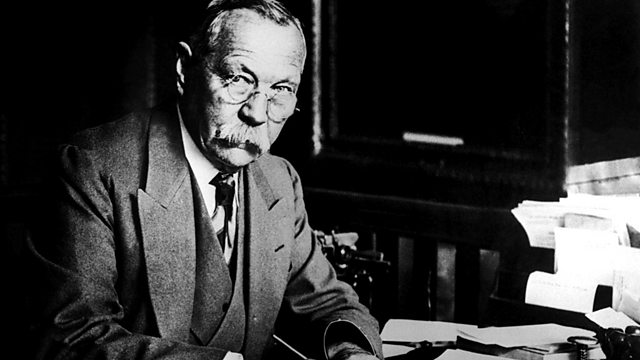
In the development of modern literature, few writers have left an imprint so profound that their names become inseparably associated with a distinctive mode of thinking and a particular literary genre. Arthur Conan Doyle represents a quintessential example of this phenomenon. He is not only recognized as one of the most prominent British writers of the late nineteenth and early twentieth centuries, but is also widely regarded as a foundational figure in the formation and maturation of modern detective fiction. Through works marked by logical rigor, structural precision, and keen observation of social reality, Conan Doyle helped shape how readers approach mystery, crime, and justice through scientific reasoning.
The social context in which Arthur Conan Doyle lived and wrote was characterized by rapid advances in science, technology, and rationalist thought, developments that profoundly transformed the intellectual life of Western society. His literature clearly reflects the spirit of this era, in which confidence in reason, knowledge, and scientific method occupied a central position. Yet beyond mere entertainment, Conan Doyle’s works reveal intellectual depth and a broad humanistic vision, reflecting the concerns of a thinker engaged with fundamental questions of society and human existence. It is precisely this harmonious integration of artistic craft, scientific reasoning, and humanistic sensibility that secured Arthur Conan Doyle a lasting position in world literary history.
1. Overview of the Author
Arthur Conan Doyle was born on May 22, 1859, in Edinburgh, the capital of Scotland and a major intellectual center of the United Kingdom in the nineteenth century. He came from a Catholic family of Irish origin with artistic traditions, yet one that also endured considerable economic and psychological hardship. His father, Charles Altamont Doyle, was a talented illustrator whose life was severely affected by alcoholism and illness, leaving a lasting imprint on Conan Doyle’s awareness of the fragility of human life and the internal contradictions of contemporary society.
From an early age, Arthur Conan Doyle was exposed to books and stories of adventure and history, particularly works imbued with heroic and imaginative elements. This early passion for reading contributed to the development of his rich imagination and nurtured his aspiration toward literary creation. Nevertheless, under family guidance, Conan Doyle did not initially pursue literature, instead choosing a more practical academic path.
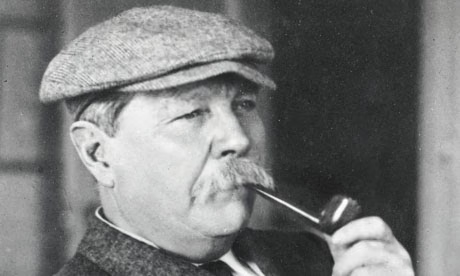
In 1876, he enrolled in the medical program at the University of Edinburgh, one of the most prestigious medical institutions in Europe at the time. Within this rigorous academic environment, Conan Doyle refined his powers of observation, analysis, and logical reasoning. Among the most influential figures in his intellectual formation was Professor Joseph Bell, renowned for his ability to infer detailed information about patients from minimal observations. Bell’s methods and mindset later served as a direct inspiration for the creation of the character Sherlock Holmes.
After graduating, Arthur Conan Doyle worked as a ship’s doctor and later opened a private medical practice in England. However, his medical career did not achieve the success he had hoped for, largely due to a lack of patients. This period, however, afforded him greater opportunity to devote himself to writing. He began publishing short stories and novels in magazines, gradually establishing his reputation within literary circles.
Alongside his professional pursuits, Conan Doyle’s personal life was marked by significant upheavals, including family losses and formative social experiences. These factors helped shape his complex worldview – one that combined a strong belief in science and rationality with a persistent search for answers beyond the limits of empirical knowledge. Arthur Conan Doyle died on July 7, 1930, in Crowborough, England, leaving behind a substantial and enduring literary legacy that continues to influence global literature and popular culture.
2. Literary Career
Arthur Conan Doyle’s literary career took shape and flourished in late nineteenth- and early twentieth-century Britain, a period characterized by profound transformations in science, industry, urbanization, and rationalist thought. These changes not only gave rise to a new reading public but also increased demand for literary works that were both entertaining and reflective of the spirit of the age. Conan Doyle entered the literary scene within this dynamic context as a versatile writer not confined to a single genre.
His early works appeared in the early 1880s, primarily as short stories and serialized novels. During this phase, Conan Doyle experimented with a wide range of genres, including historical fiction, adventure, and narratives with scientific or speculative elements. However, these early efforts did not immediately secure him a prominent position in British literary life, partly due to intense competition in the publishing market and partly because he was still a relatively unknown author.
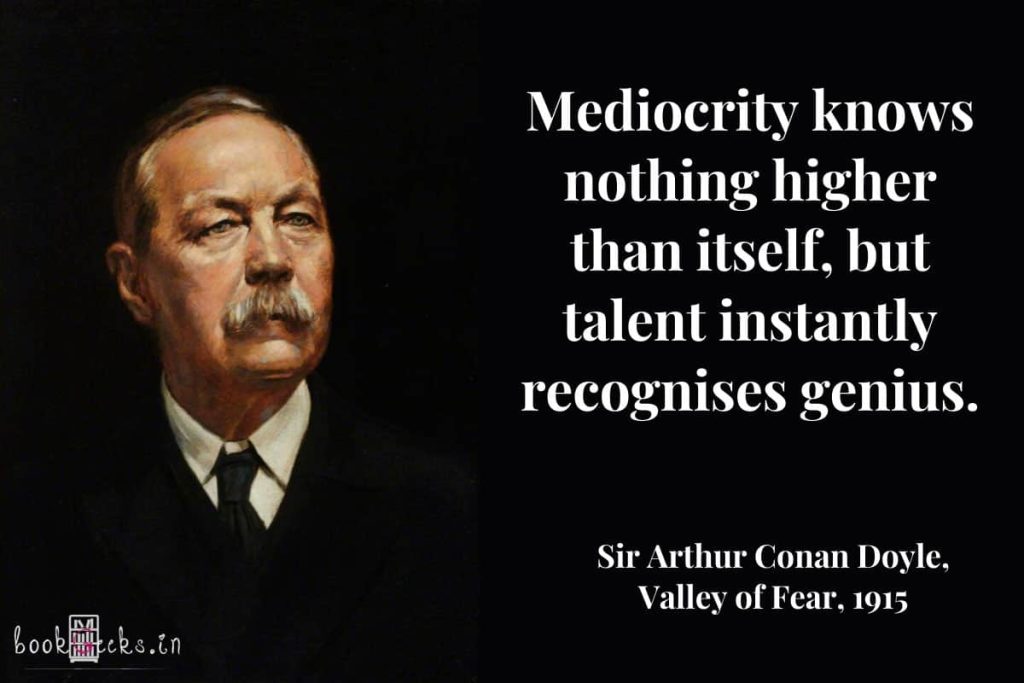
A decisive turning point in Conan Doyle’s career came in 1887 with the publication of A Study in Scarlet. This novel introduced the characters Sherlock Holmes and Dr. John Watson and laid the foundation for an entirely new model of detective fiction. Unlike earlier detective narratives that relied heavily on coincidence or intuition, Conan Doyle constructed his story around scientific reasoning, detailed observation, and logical analysis. Although A Study in Scarlet did not achieve immediate widespread acclaim, it clearly signaled the direction of his future literary path.
True success arrived when the Sherlock Holmes short stories began appearing serially in The Strand Magazine in 1891. These stories quickly captivated readers with their tightly constructed plots, brisk pacing, and the distinctive personality of the central detective. Arthur Conan Doyle soon became one of the most widely read authors in Britain and beyond. The immense popularity of Sherlock Holmes brought not only commercial success but also firmly established Conan Doyle’s position in the literary world of his time.
Yet this overwhelming success also created a professional dilemma for Conan Doyle. He repeatedly expressed a desire to be recognized as a serious writer in other genres, particularly historical fiction. This aspiration led to the controversial decision to “kill off” Sherlock Holmes in The Final Problem (1893). The intense public backlash revealed the depth of readers’ attachment to the character, ultimately compelling Conan Doyle to revive Holmes in later works.
Alongside his detective fiction, Conan Doyle devoted considerable effort to historical novels such as The White Company and Sir Nigel, which vividly depict medieval England through a blend of historical research and imaginative storytelling. He also ventured into science fiction and adventure literature with The Lost World, reflecting his fascination with scientific discovery and the unknown boundaries of human knowledge.
In addition to fiction, Conan Doyle produced numerous essays, non-fiction works, and memoirs that articulated his views on society, justice, and contemporary issues. His literary career thus represents not merely the creation of a famous character, but an ongoing pursuit of diversity, depth, and enduring value in literature during a period of significant social change.
3. Artistic Style and Thought
Arthur Conan Doyle’s artistic style emerged from the intersection of scientific thinking, medical training, and the distinctive intellectual climate of late nineteenth-century Britain. This synthesis resulted in a clear and precise prose style that emphasizes structure and places particular importance on observation and logical reasoning. In his works – especially the Sherlock Holmes series – every detail is deliberately positioned to advance the plot and guide readers from surface appearances to underlying truths.
One of the most defining features of Conan Doyle’s style is his construction of a systematic, scientific mode of reasoning. Sherlock Holmes does not solve cases through intuition or chance, but through the analysis of evidence, comparison of data, and the methodical elimination of false possibilities. This approach reflects the influence of empirical medical science and helped establish a new standard for detective fiction, in which intellect and method take precedence.
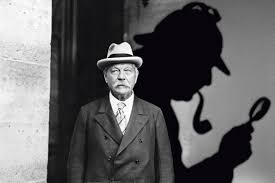
Alongside rational analysis, Conan Doyle demonstrated a strong ability to create vivid and memorable characters. Whether portraying detectives, doctors, scientists, or historical warriors, his characters possess distinct traits and recognizable depth. The relationship between Sherlock Holmes and Dr. Watson is a prime example, serving both as a narrative framework and as a balance between extraordinary intellect and an ordinary human perspective, thereby making the stories more accessible to readers.
In ideological terms, Conan Doyle’s literature strongly reflects faith in science, reason, and social order – core values of the Victorian era. In his detective stories, justice is typically restored through transparent and logical investigation, underscoring his belief in knowledge as a means of maintaining social stability. Crime is not portrayed as an incomprehensible force, but as the result of identifiable causes that can be understood through rational inquiry.
However, Conan Doyle’s thought did not remain confined to pure rationalism. In the later stages of his career, he became increasingly interested in the limits of science and turned his attention to spiritualism and supernatural phenomena. This shift does not entirely contradict his earlier scientific outlook, but rather reflects the complex intellectual journey of a thinker living at the intersection of tradition and modern progress. These interests are also evident in some of his literary and non-fiction works.
Moreover, Conan Doyle’s artistic strength lies in his ability to balance entertainment with intellectual depth. His works are accessible to a broad readership while addressing serious issues related to morality, justice, and human nature. This balance has enabled Arthur Conan Doyle’s writing to transcend its historical context and remain relevant across generations and cultural settings.
4. Legacy and Contributions
The most enduring legacy Arthur Conan Doyle left to world literature is his systematic contribution to the formation of modern detective fiction. Before his works appeared, detective stories existed in various forms but lacked a cohesive structure and methodological consistency. Through the Sherlock Holmes series, Conan Doyle established a new paradigm in which logical reasoning, scientific deduction, and the central role of the detective became defining elements, profoundly influencing subsequent generations of writers.
One of Conan Doyle’s most significant contributions was the incorporation of scientific and empirical methods into popular literature. Techniques such as forensic analysis, chemical identification, physical observation, and behavioral inference enhanced narrative credibility and helped disseminate scientific thinking within society. This influence extended beyond literature, shaping public perceptions of criminal investigation and contributing to the development of forensic science.
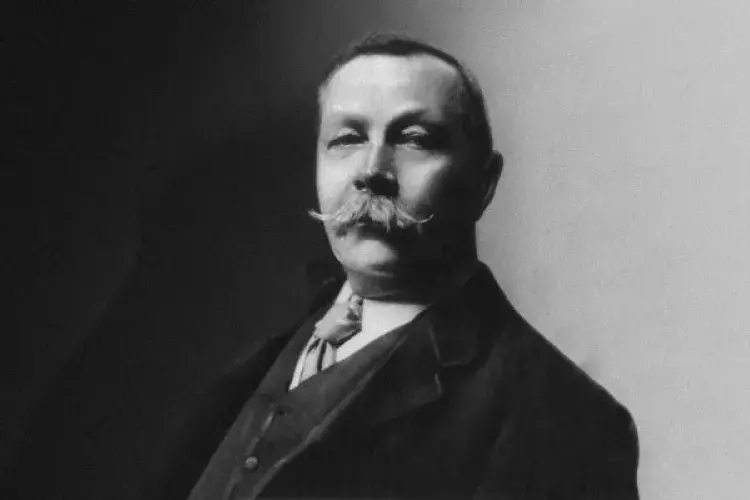
Beyond genre innovation, Arthur Conan Doyle also left a deep imprint on popular culture. Sherlock Holmes became one of the most globally recognized fictional characters, appearing in hundreds of adaptations across film, television, theater, comics, and digital media. The iconic image of the detective with a deerstalker hat, pipe, and extraordinary deductive abilities transcended the written page to become a universal cultural symbol.
Conan Doyle’s legacy is further reflected in his long-term influence on detective writers and the genre as a whole. Many prominent twentieth-century authors inherited and expanded upon the narrative structures, character construction, and investigative methods he pioneered. As a result, detective fiction evolved from a form of pure entertainment into a literary genre with recognized artistic and intellectual value.
Beyond literature, Arthur Conan Doyle is remembered as a socially engaged intellectual. He actively intervened in and advocated for cases he believed involved miscarriages of justice, using his reputation and reasoning skills to pursue fairness in real life. These efforts demonstrate that Conan Doyle’s concern for justice extended beyond fictional narratives into concrete social action.
Overall, Arthur Conan Doyle’s legacy surpasses that of a celebrated author alone. He is widely regarded as a figure who profoundly shaped modern conceptions of reason, science, and justice, leaving behind a body of work that continues to resonate within global cultural life.
5. Major Works
Throughout his extensive career, Arthur Conan Doyle produced works across a wide range of genres, including detective fiction, adventure, and historical novels. Nevertheless, it is his Sherlock Holmes series and several other key works that firmly established his position in world literature.
- A Study in Scarlet (1887)
This novel marks the first appearance of Sherlock Holmes and Dr. John Watson. It laid the foundation for modern detective fiction through its emphasis on logical deduction and the portrayal of a central character endowed with exceptional intellect. - The Sign of the Four (1890)
This work further develops the character of Holmes while deepening psychological complexity and exploring the relationship between Holmes and Watson. It combines detective fiction with elements of adventure and colonial history. - The Adventures of Sherlock Holmes (1892)
This collection of twelve short stories transformed Sherlock Holmes into a literary phenomenon. It is widely regarded as the most representative compilation and established enduring standards for the detective short story. - The Hound of the Baskervilles (1902)
One of the most famous Holmes novels, this work blends detective fiction with Gothic atmosphere and psychological tension, demonstrating Conan Doyle’s ability to reconcile scientific rationality with a sense of mystery. - The Lost World (1912)
A science fiction adventure novel about a remote plateau where dinosaurs still survive, this work showcases Conan Doyle’s creative range beyond detective fiction.
Collectively, these works not only built Arthur Conan Doyle’s literary reputation but also occupy a significant place in the development of world literature, particularly within popular and genre fiction.
6. Conclusion
Arthur Conan Doyle stands as one of the most representative figures of British literature in the late nineteenth and early twentieth centuries, leaving a profound imprint not only through the sheer volume of his works but also through his lasting influence on the course of world literature. From his background and scientific education to his diverse literary career, his life and work reflect the image of a modern intellectual seeking to unite scientific knowledge, rational thought, and artistic creativity.
Through his detective fiction – most notably the Sherlock Holmes series – Arthur Conan Doyle laid a solid foundation for modern detective literature and reshaped literary approaches to justice and truth. At the same time, his historical, adventure, and science fiction writings demonstrate a broad vision unconstrained by a single creative framework. This diversity enabled Conan Doyle to transcend the role of a purely entertainment-oriented writer and secure a lasting position in literary history.
Today, the value of Arthur Conan Doyle’s works continues to be preserved and disseminated through reprints, scholarly research, and adaptations across various cultural contexts. His legacy extends beyond compelling detective stories to encompass a mode of thinking grounded in observation, logic, and the pursuit of truth – values that remain deeply relevant in contemporary life.