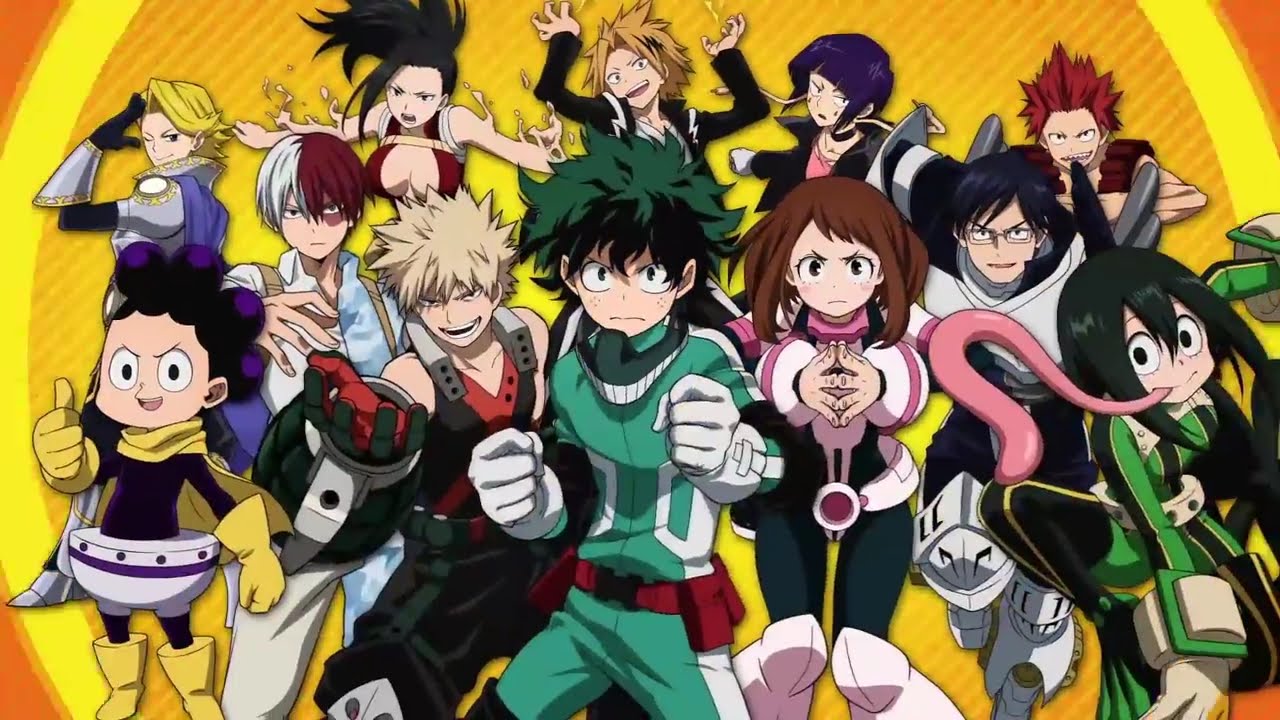
In the course of the development of contemporary Japanese manga, the shōnen genre has undergone numerous transformations, evolving from adventure-driven narratives that emphasize individual strength to works that place greater focus on social structures and intellectual depth. Within this context, My Hero Academia emerges as a representative example of the innovative trajectory of modern manga, simultaneously inheriting familiar shōnen conventions and actively expanding its scope to engage with ethical, social, and humanistic issues.
Set in a world where superhuman abilities have become the norm, My Hero Academia does not merely portray heroes as individuals possessing extraordinary power. Instead, it situates them within an institutionalized system shaped by law, media, and social expectations. It is within this framework that the work gradually raises fundamental questions: What does it mean to be a hero? Is human worth determined by innate ability or by moral choice? And what happens when heroic ideals collide with the contradictions of real-world society?
Transcending the boundaries of a conventional action – school manga, My Hero Academia functions as a discourse on growth, responsibility, and intergenerational inheritance. Through its engaging narrative rhythm, diverse cast of characters, and consistent thematic depth, the series has established a firm position not only among general readers but also within critical discussions of twenty-first-century manga.
1. Introduction to the Author and the Work My Hero Academia
1.1. Author Kōhei Horikoshi
Kōhei Horikoshi (堀越 耕平), born in 1986 in Aichi Prefecture, Japan, is one of the representative mangaka of a generation that matured during a period of significant restructuring within the shōnen manga genre. Horikoshi is deeply influenced by both traditional Japanese manga and Western superhero comics, particularly works published by Marvel Comics. This convergence of influences has shaped his distinctive creative style, in which action, heroic imagery, and psychological depth are closely intertwined.
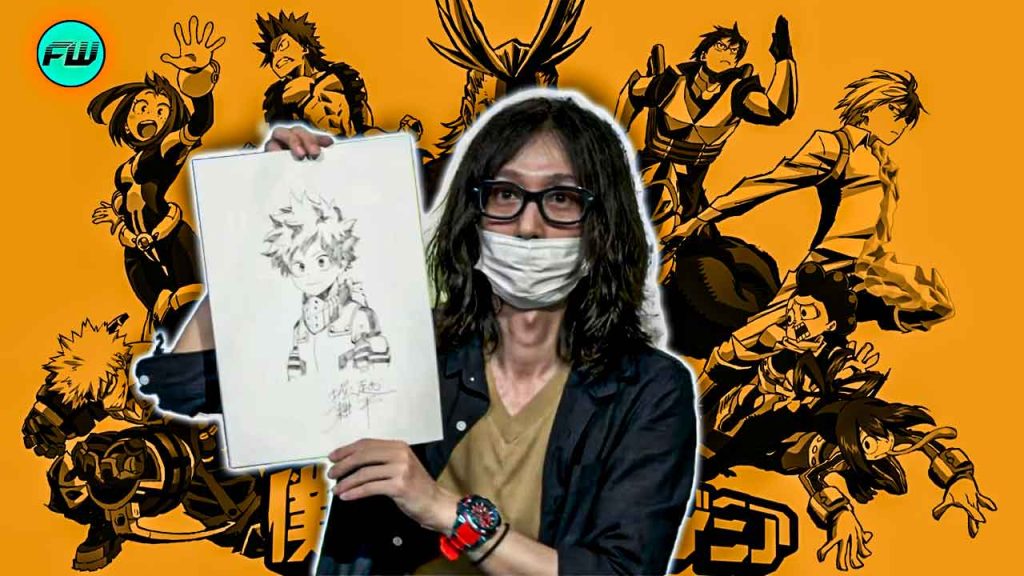
Before achieving major success with My Hero Academia, Horikoshi published several works such as Oumagadoki Zoo (2010) and Barrage (2012). Although these titles did not gain widespread recognition, they clearly demonstrated his creative orientation: a strong interest in constructing fictional worlds, developing characters with internal conflicts, and, notably, exploring the theme of “heroism” through various perspectives. The experience accumulated during this period became an essential foundation for refining his narrative approach and artistic style in My Hero Academia.
1.2. The Emergence and Position of My Hero Academia
My Hero Academia (original title: Boku no Hero Academia) began serialization in Weekly Shōnen Jump in 2014 – a pivotal moment for the shōnen manga landscape, as many long-running series were reaching their conclusions and the market demanded works capable of both inheriting tradition and forging new directions.
The core concept of My Hero Academia revolves around a symbolic paradox: in a society where nearly everyone possesses a superpower known as a Quirk, the protagonist is born without any ability at all. From this premise, the series opens a narrative space for examining a wide range of issues, including social stratification based on ability, the pressure of collective expectations, and questions concerning human value within a system that appears fair yet is deeply flawed.
From its earliest chapters, My Hero Academia quickly captured readers’ attention through an approach that was both familiar and novel – familiar in its school-based setting and themes of training and growth, yet innovative in placing these elements within a superhero society organized as a regulated industry governed by laws, media oversight, and legal accountability. This synthesis allowed the work to establish a distinct identity among numerous contemporaneous shōnen titles.
1.3. Development and Expansion of Influence
Throughout its publication, My Hero Academia has continually expanded both its narrative scope and its world-building. Beginning with the foundational setting of U.A. High School, the story gradually progresses toward more complex social conflicts in which the boundary between hero and villain becomes increasingly ambiguous. This development clearly reflects Horikoshi’s creative direction: employing the shōnen framework as a means of engaging with deeper social and ethical concerns.
The manga’s success led to numerous anime adaptations, feature films, and related publications, transforming My Hero Academia into a globally influential cultural franchise. Notably, despite its large commercial scale, the work has maintained thematic and ideological consistency, avoiding the pitfall of superficial expansion devoid of substantive content.
From a critical perspective, My Hero Academia is often regarded as a defining representative of the new generation of shōnen manga – one that does not abandon entertainment value, yet places significant emphasis on social reflection, psychological analysis, and questions that extend beyond the scope of a conventional action narrative.
2. Summary of the Plot of My Hero Academia
The world of My Hero Academia is set in a near-modern fictional society in which the emergence of superhuman abilities, known as Quirks, has become a widespread phenomenon, affecting approximately 80 percent of the global population. This transformative development reshapes not only individual lives but also the entire social structure: law, education, security, and systems of value are all organized around the existence of Quirks. In this world, “heroes” are no longer mythical figures but licensed professionals, trained systematically and regulated by the state.
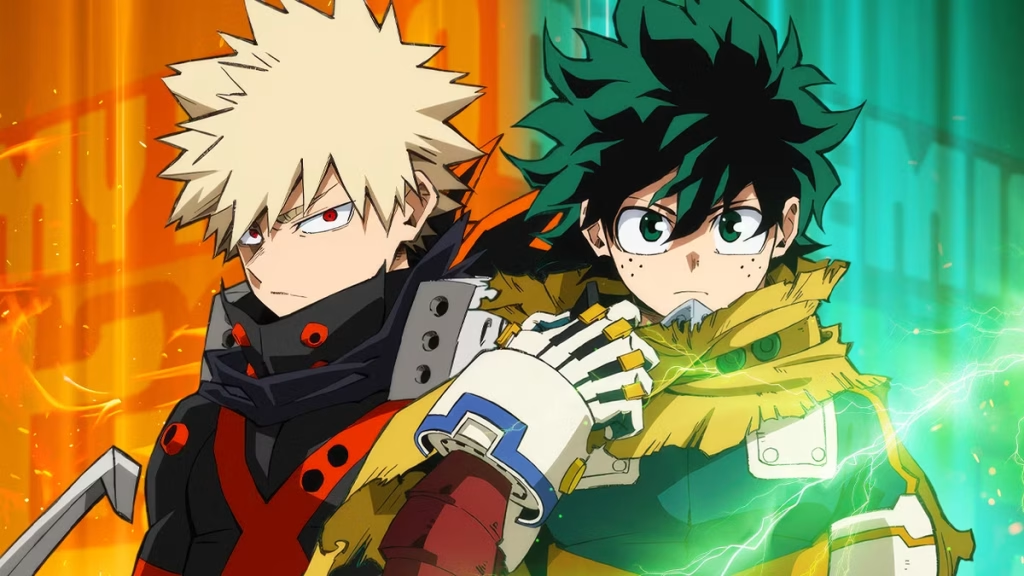
At the center of the story is Izuku Midoriya, a boy born without a Quirk in a society where almost everyone else possesses one. His lack of ability causes him to be marginalized and underestimated, despite his unwavering fascination with heroes. Midoriya spends much of his time studying, recording, and analyzing the abilities of professional heroes, demonstrating keen strategic insight and a profound understanding of power, even though he lacks practical combat capability.
A crucial turning point occurs when Midoriya encounters All Might, the number-one hero and the symbolic embodiment of peace. Through a life-threatening incident, All Might recognizes Midoriya’s defining quality: his willingness to act in order to save others, even in the absence of power. As a result, Midoriya is chosen as the successor to “One For All,” a special Quirk that accumulates strength across generations and carries with it the spiritual legacy of its predecessors.
After undergoing rigorous training, Midoriya successfully enters U.A. High School, the foremost academy for hero education, where students with exceptional abilities are gathered. Here, the narrative expands into a school setting populated by a diverse cast of characters, each with distinct Quirks, personalities, and motivations. Entrance exams, training sessions, and internal competitions serve not only to develop skills but also to highlight differing perspectives on strength, rivalry, and heroic ideals.
From its initial academic phase, My Hero Academia gradually transitions into larger-scale conflicts with the emergence of villainous forces. The League of Villains, led by Tomura Shigaraki, is not merely a group of social deviants but represents the darker side of a superpowered society – individuals who have been neglected, harmed, or inadequately protected by the hero system. Consequently, confrontations between heroes and villains transcend physical combat, becoming ideological clashes between opposing worldviews.
As the story progresses, deeper layers of complexity are revealed as the professional hero system exposes its inherent limitations: overreliance on symbolic figures, pressure from media scrutiny, and the gap between public image and the private realities behind the title of “hero.” Midoriya and his peers must confront not only external enemies but also fundamental questions: What responsibility accompanies power? Can justice exist independently of institutional systems? And to what extent can an individual reshape society?
Throughout My Hero Academia, Midoriya’s coming-of-age journey is juxtaposed with the collapse and reconstruction of the existing social order. The narrative gradually shifts from the motif of “becoming a hero” to “understanding the cost of being a hero,” forming a deeply layered storyline in which each event contributes to a clearer understanding of the world the work portrays.
3. Central Themes and Ideology of My Hero Academia
3.1. Redefining the Hero Figure in Modern Society
One of the most significant ideological axes of My Hero Academia lies in its redefinition of heroism within a society where superpowers are commonplace. Rather than perpetuating an idealized, absolute image of the hero, the series places this figure within a concrete social system, where heroes function simultaneously as protectors of justice and as professionals subject to laws, media influence, and public expectations.
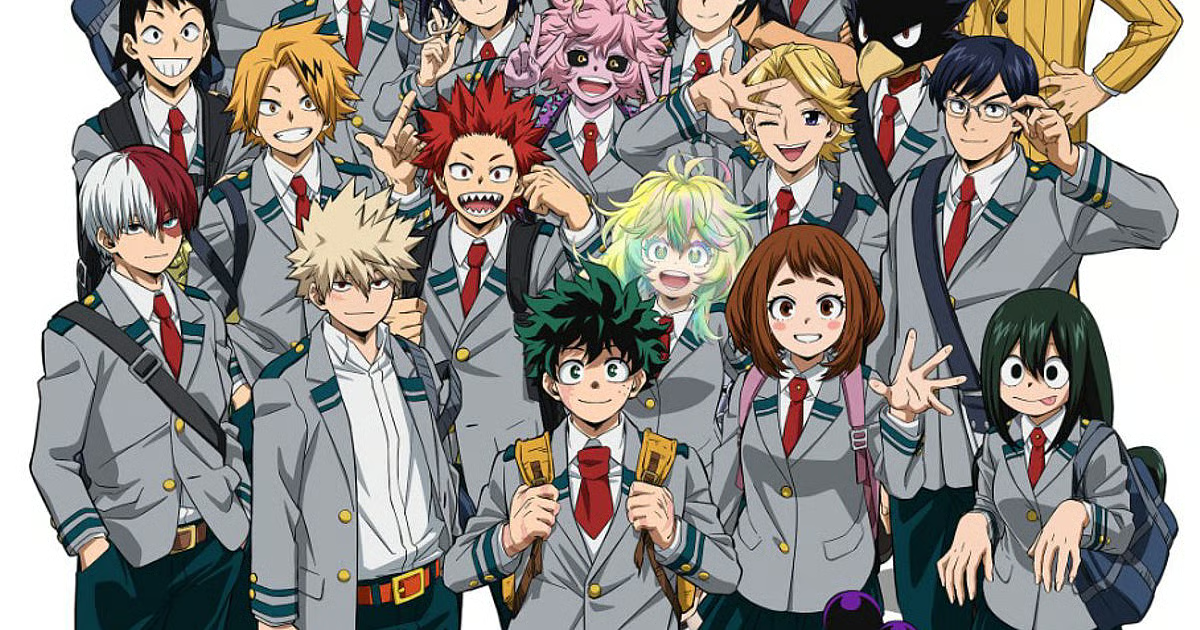
Through the character of Izuku Midoriya, My Hero Academia demonstrates that heroism is not primarily determined by strength, but by the capacity to make ethical choices in decisive moments. Midoriya’s initial powerlessness, coupled with his persistent pursuit of heroic ideals, underscores a central argument of the work: moral integrity and responsibility form the foundation of heroism, while power remains merely a tool.
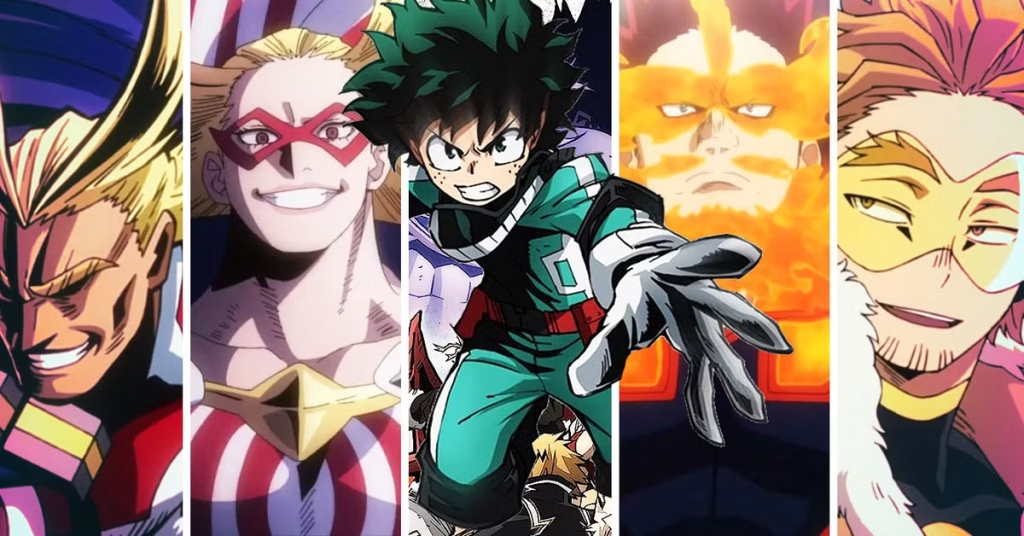
The character of All Might further embodies this duality. On the surface, he represents peace, trust, and social order. At a deeper level, however, his status as an absolute symbol creates a dangerous societal dependence on a single individual, laying the groundwork for crisis when that symbol weakens. Through this portrayal, My Hero Academia questions the sustainability of a hero model centered on exceptional individuals.
3.2. Superpowered Society and Structural Contradictions
Beneath the vibrant façade of its superhero world, My Hero Academia depicts a clearly stratified society in which personal value is often assessed based on the utility of one’s Quirk. Individuals with powerful, controllable abilities suited for combat are afforded greater opportunities, while those with unconventional or absent abilities face exclusion and marginalization.
Although the professional hero system is designed to maintain order and security, it inadvertently widens the gap between ideals and reality. The commercialization of hero images, media intervention, and ranking pressures lead some heroes to prioritize fame over social responsibility. These tensions are not framed as individual moral failures but as inevitable consequences of a social structure overly reliant on symbolic power.
Villain characters, particularly Tomura Shigaraki, serve as narrative instruments to expose the darker aspects of this system. Rather than representing pure evil, they are portrayed as products of systemic neglect and failure, raising a critical question: can a society protected by heroes truly be just to all of its members?
3.3. Inheritance, Responsibility, and Generational Burden
The theme of inheritance occupies a central position in the ideological structure of My Hero Academia, most clearly embodied by the Quirk “One For All.” Beyond being an accumulative power, One For All symbolizes the transmission of ideals, memories, and responsibilities across generations of heroes.
As its successor, Midoriya inherits not only strength but also the burden of past choices and mistakes made by those who came before him. This expands the narrative from a personal journey to an exploration of the relationship between individuals and history, between the present and inherited legacies.
Simultaneously, the work raises questions about how a new generation can transcend, revise, or redefine the limitations of its predecessors. Midoriya’s gradual effort to forge his own path – rather than merely replicating All Might’s image – reflects a core principle of My Hero Academia: inheritance gains meaning only when accompanied by renewal and accountability to present realities.
3.4. The Boundary Between Good and Evil
Unlike many traditional shōnen narratives that draw clear distinctions between heroes and villains, My Hero Academia persistently blurs this boundary. The series suggests that the opposition between good and evil arises not solely from individual choice but also from social conditions and the absence of systemic support.
By delving into the backgrounds and motivations of its villains, the story raises the issue of collective responsibility: when an individual becomes a threat to society, does the fault lie solely with that individual, or with a system that has failed to protect and educate them? This question allows My Hero Academia to move beyond simplistic antagonism toward a more nuanced discourse on justice and social responsibility.
4. Value and Influence of My Hero Academia
4.1. Narrative Value and Story Structure
One of the most prominent strengths of My Hero Academia lies in its tightly organized narrative structure, which balances the entertainment-driven nature of shōnen manga with the intellectual depth of socially reflective storytelling. The series is constructed through clearly defined developmental phases, with each arc functioning not in isolation but as an integral link in the broader progression of character growth and world transformation.
Horikoshi’s control over narrative pacing enables the work to maintain long-term engagement without falling into repetitive patterns. Academic life, training, internships, and societal conflicts are interwoven into a cyclical storytelling structure that feels familiar to shōnen readers while remaining flexible enough to deepen thematic exploration. As a result, My Hero Academia transcends the simple tale of “becoming a hero” and instead chronicles the formation and crisis of a hero-centered social system.
4.2. Character Construction and Psychological Depth
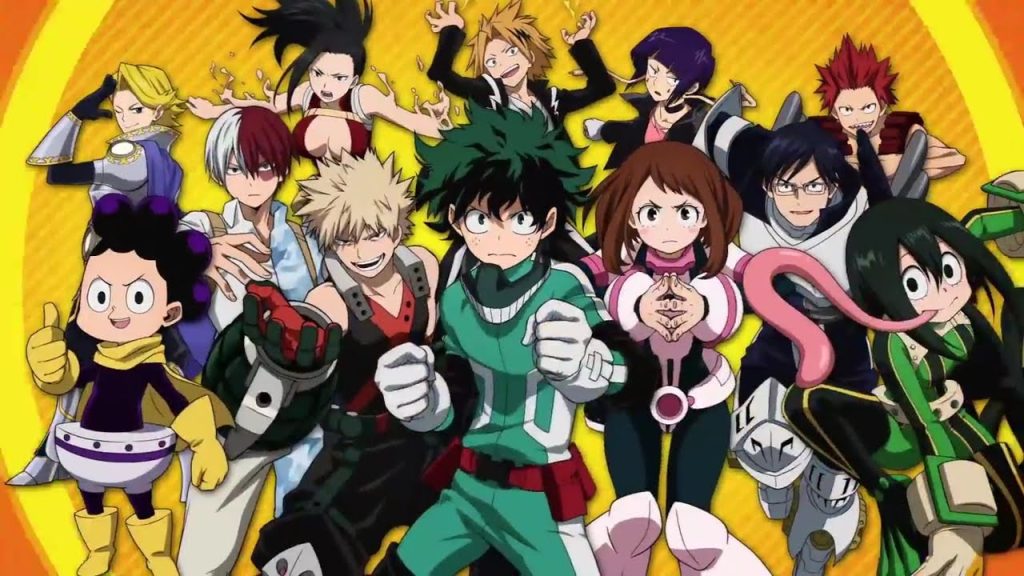
The character system of My Hero Academia significantly contributes to its enduring value. Rather than focusing exclusively on the protagonist, Horikoshi allocates narrative space to multiple character lines, encompassing classmates, professional heroes, and villains alike. Each character is provided with a background, motivation, and limitation, creating a vivid and convincing world.
Notably, the portrayal of villains moves beyond simplistic opposition. Many antagonists are defined not by inherent evil but by trauma and developmental failure. This psychological depth does not serve to justify wrongdoing, but to illuminate the causal relationship between individuals and societal conditions, thereby enhancing the ideological substance of the work.
4.3. Artistic Value and Visual Language
From a formal perspective, My Hero Academia demonstrates significant investment in visual language and artistic design. Horikoshi’s style combines sharp, energetic linework with subtle emotional expression conveyed through facial detail and panel composition. Action sequences are choreographed with clear rhythm, allowing readers to follow developments without visual confusion.
Character and Quirk designs also play a crucial symbolic role. Each ability reflects aspects of a character’s personality, background, or internal conflict. This synthesis of content and form allows My Hero Academia to achieve a rare level of harmony in shōnen manga, where visuals do not merely illustrate the narrative but actively participate in storytelling.
4.4. Influence on Shōnen Manga and Popular Culture
There is little doubt that My Hero Academia has exerted considerable influence on the new generation of shōnen manga. The series has contributed to a shift toward narratives that emphasize social analysis, ethical inquiry, and psychological depth rather than focusing solely on escalating power levels. Many subsequent works exhibit clear traces of this approach, particularly in their treatment of antagonists and institutional critique.
On a broader scale, My Hero Academia has transcended the medium of manga to become a global cultural phenomenon. Anime adaptations, feature films, and a vast international fan community have positioned the work as a bridge between Japanese manga and Western superhero traditions. This cross-cultural exchange has enriched contemporary discourse on heroism within popular culture.
4.5. The Position of My Hero Academia in Contemporary Comics
From a critical standpoint, My Hero Academia is often regarded as a representative work of the shōnen genre’s transformation in the twenty-first century. It demonstrates the capacity of comics to maintain mass appeal while simultaneously engaging in the reflection and interrogation of complex social issues.
This balance has enabled My Hero Academia to sustain its relevance throughout its publication, generating value that extends beyond its initial release. Rather than being remembered solely as a commercially successful series, it is increasingly cited as a noteworthy case study in the evolution of superhero narratives within a globalized cultural context.
5. Conclusion
My Hero Academia can be viewed as a representative example of the transformation of shōnen manga within contemporary cultural contexts, where the genre no longer confines itself to narratives of individual power accumulation but expands to examine social structures and ethical issues associated with authority. By constructing a world in which heroes function as a social institution, the work raises fundamental questions concerning the nature of justice, responsibility, and human value within an ostensibly well-ordered system.
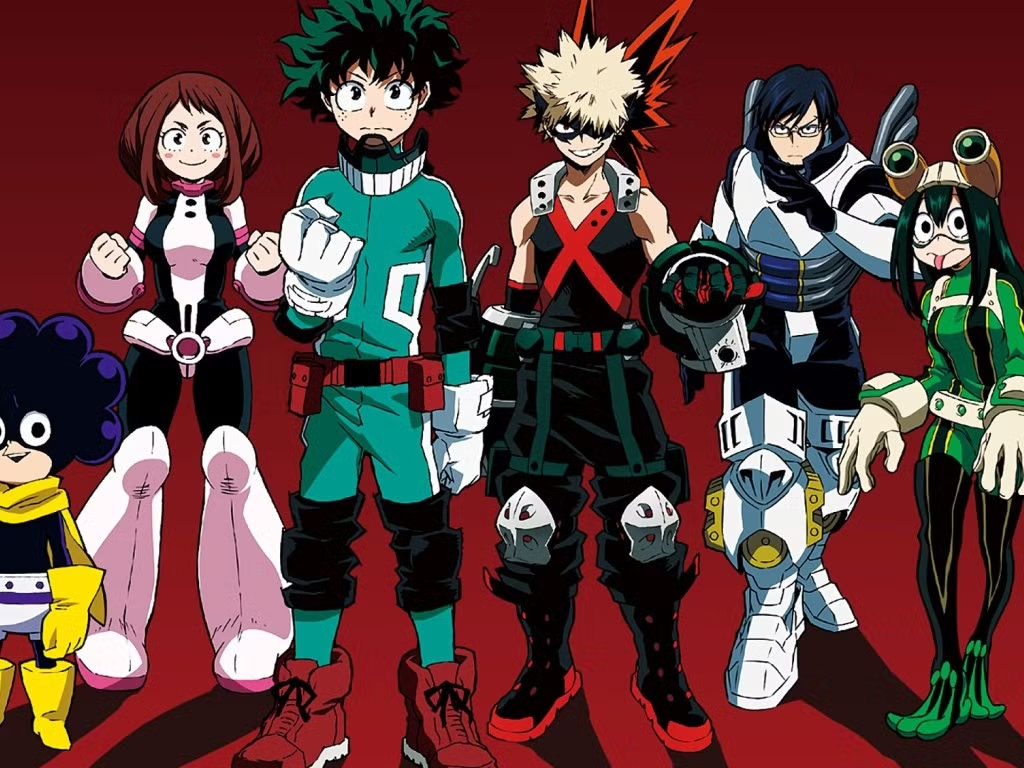
Through the journey of Izuku Midoriya, My Hero Academia demonstrates that heroic ideals cannot be inherited unchanged, but must be redefined across generations and historical circumstances. The protagonist’s growth is inseparable from the crises of the society surrounding him, affirming the intrinsic relationship between personal choice and collective destiny. This interconnectedness enables the narrative to transcend familiar school-based tropes and engage in broader discourse on humanity and society.
From an artistic perspective, My Hero Academia achieves a harmonious integration of structured storytelling, multidimensional character development, and expressive visual language. These elements serve not only entertainment purposes but also consistently convey the work’s layered ideological meanings. The successful balance between mass appeal and intellectual depth is a key factor behind the series’ sustained influence.
Overall, My Hero Academia stands not only as a prominent manga series of its generation, but also as a compelling demonstration of comics’ capacity to reflect, question, and engage with contemporary social issues. It is precisely at this intersection of entertainment and ideology that the work secures its enduring position within the evolving landscape of modern manga and opens new avenues for reimagining the hero figure in global popular culture.