In the course of the development of the software industry, the issue of source code quality has always occupied a central position, even though it has not always been recognized in proportion to its actual importance. As software systems expand in scale, extend over longer life cycles, and require collaboration among multiple individuals, source code no longer functions merely as a set of instructions for machines to execute. Instead, it becomes a technical medium of communication among software developers.
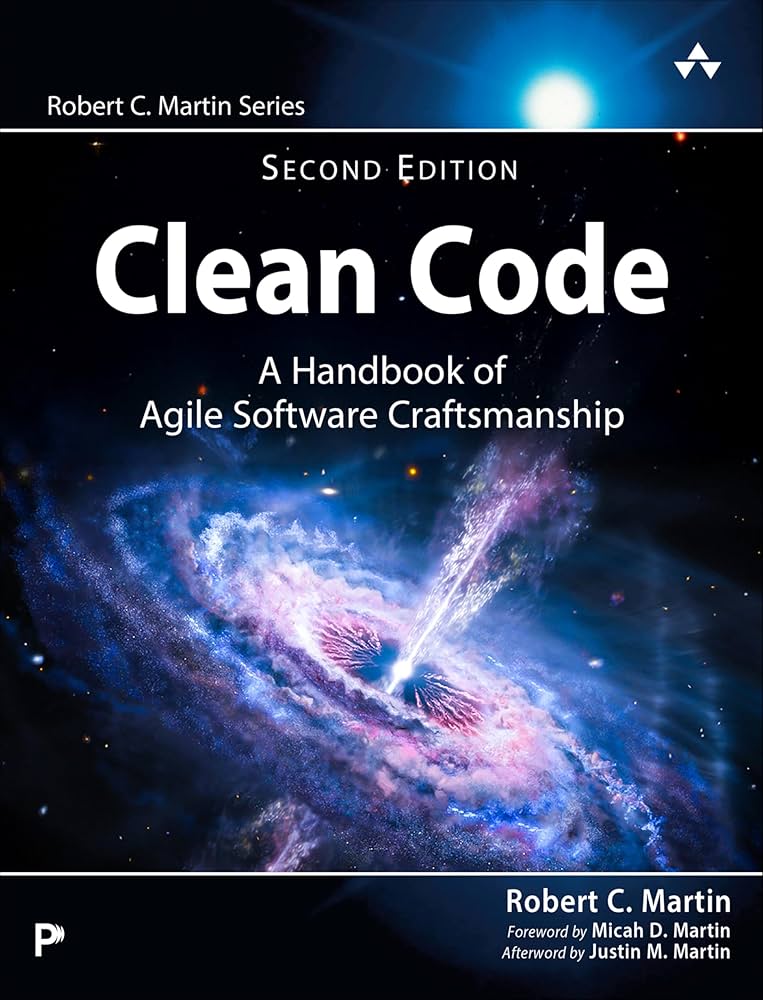
Within this context, Clean Code: A Handbook of Agile Software Craftsmanship by Robert C. Martin emerges as a work that synthesizes and systematizes the core standards related to writing sustainable source code. Rather than focusing on a specific programming language or technology, the book addresses universal principles governing how humans organize thought, express intent, and maintain order within code. Through the analysis of practical examples combined with methodological reasoning, the book positions code quality as a professional standard rather than a matter of individual preference.
In modern software development environments – where maintenance costs often far exceed initial development costs – issues such as readability, consistency, and internal structure of source code have a direct impact on the operational efficiency of entire systems. Clean Code approaches these concerns from a practical standpoint, clarifying the relationship between source code quality, system scalability, and team productivity.
1. Robert C. Martin and Basic Information about Clean Code
1.1. Robert C. Martin: Position and Role in the Software Industry
Robert C. Martin, commonly known in the technical community as Uncle Bob, is one of the most influential figures in modern software development thinking, particularly in object-oriented design, Agile methodologies, and professional standards for programmers. He began his career in the 1970s, a period when the software industry was still in the process of forming its foundational principles, and has made long-standing contributions through both practical work and intellectual discourse.
Martin is one of the signatories of the Agile Manifesto (2001), a foundational document for the Agile software development movement. He is also a co-founder of the Agile Alliance, contributing to the shaping of methodological standards in large-scale software development. His works do not focus on transient technologies but instead address fundamental concerns such as source code structure, professional responsibility, maintainability, and the long-term sustainability of software systems.
Within Robert C. Martin’s system of thought, programmers are not merely individuals who write code to solve immediate technical problems, but professionals who bear responsibility for the long-term quality of software products. This perspective runs consistently through his works such as Clean Code, The Clean Coder, Clean Architecture, and Agile Software Development: Principles, Patterns, and Practices, forming a coherent and unified intellectual trajectory regarding the software profession.
1.2. Context of Publication and Objectives of the Book
Clean Code: A Handbook of Agile Software Craftsmanship was first published in 2008, at a time when software systems were becoming increasingly complex and Agile methodologies were gaining widespread adoption in industry practice. This period highlighted a clear demand for source code that not only functioned correctly, but was also readable, adaptable, and capable of accommodating continuous changes in business requirements.
The book is structured as a practical handbook, focusing on establishing and clarifying the criteria of high-quality source code. Rather than presenting design principles in abstract terms, Robert C. Martin adopts an approach centered on concrete code analysis, contrasting poor-quality examples with improved versions. This method allows readers to directly observe the transformation from unreadable code to code with clearer and more stable structure.
A notable feature of Clean Code is that it is not bound to a specific programming language, although most examples are written in Java. The principles presented are abstract and broadly applicable across various programming paradigms and languages, from object-oriented programming to modern service-based systems.
1.3. Structure and Scope of Clean Code
Structurally, Clean Code is divided into three main parts. The first part focuses on defining the foundational characteristics of clean code, including naming conventions, function structure, class organization, error handling, and code formatting. The second part addresses more advanced topics such as unit testing, system boundaries, and dependency management. The final part consists of refactoring case studies, in which the author presents detailed step-by-step processes for improving source code quality.
The scope of Clean Code extends beyond purely technical programming concerns to encompass issues of design thinking and professional standards. By emphasizing readability and maintainability, the book situates source code in direct relation to team productivity and long-term system maintenance costs.
2. Content and Intellectual Structure of Clean Code
2.1. Core Focus: Source Code Quality as a Methodological Issue
Clean Code: A Handbook of Agile Software Craftsmanship directly addresses the fundamental question of how high-quality source code is formed and which principles underpin it. Rather than listing isolated technical rules, the book constructs a coherent line of argument centered on the relationship between design thinking, code structure, and long-term system maintainability.
The content of Clean Code does not aim to teach readers how to “write code that works,” but instead analyzes the characteristics that allow code to endure, adapt, and evolve alongside software systems. Under this approach, code quality is not assessed at the point when functionality is completed, but rather through its readability, modifiability, and extensibility over time.
2.2. Part I: Foundational Principles of Clean Code
The first part of the book establishes the theoretical foundation for the entire work, focusing on basic elements that exert deep influence on code quality.
One of the opening topics is the clarification of the concept of clean code through multiple perspectives offered by experienced programmers. Rather than proposing a single definition, the author demonstrates that clean code results from a combination of clarity, restraint, and precision in expressing intent. Good code accurately reflects the developer’s thinking while minimizing elements that interfere with comprehension.
The book then delves into naming, which is treated as the most fundamental linguistic unit of source code. This section analyzes the role of variable, function, and class names as vehicles of meaning, emphasizing that naming is not merely a technical task but a conceptual design activity. A clear naming system reduces the need for comments and highlights the logical structure of the program.
Significant attention is also given to function structure, with an emphasis on the principle that each function should perform a single responsibility at a single level of abstraction. Through concrete examples, the author illustrates the relationship between function length, parameter count, and the management of code complexity.
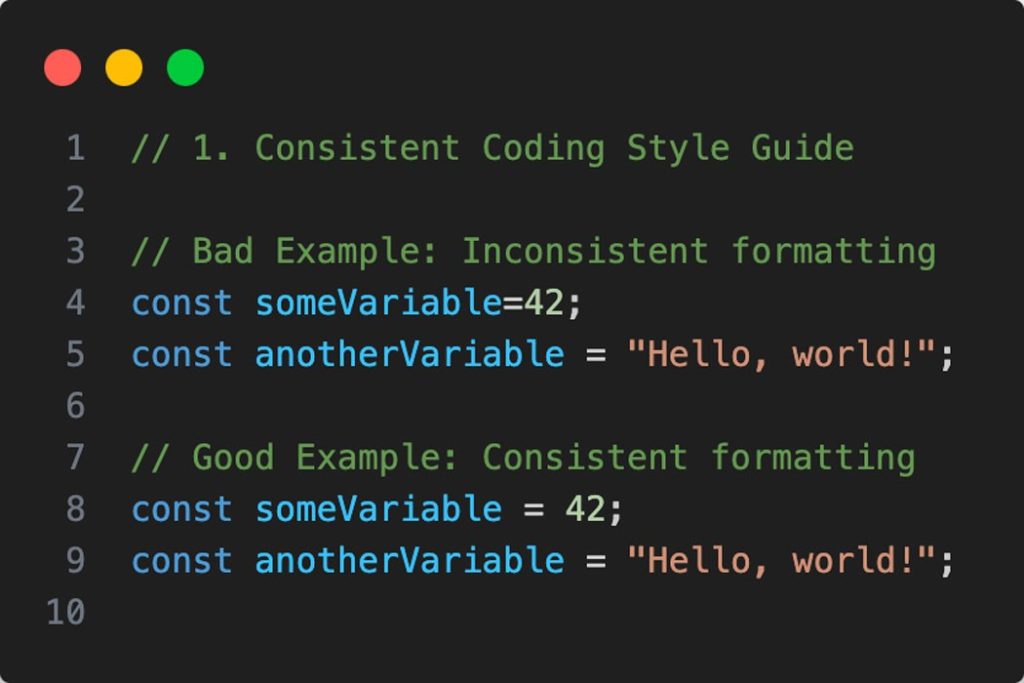
Additionally, issues such as comments, code formatting, and file organization are examined as elements shaping the code-reading experience. Formatting is presented not as an aesthetic concern, but as a cognitive tool that enables readers to quickly grasp the overall structure of a program.
2.3. Part II: Advanced Structure and System Design
After establishing foundational principles, Clean Code proceeds to analyze higher-level structural and design issues. This part focuses on classes, objects, and the relationships among components within software systems.
A key focal point is the Single Responsibility Principle (SRP), presented not merely as a design slogan but as a criterion for evaluating code stability. A class that assumes too many roles often becomes a focal point of change, increasing risk and maintenance costs.
The book also analyzes dependency management between modules, emphasizing the importance of controlling system boundaries. Concepts such as cohesion and coupling are illustrated through practical examples, clarifying how seemingly small design decisions can influence the entire software architecture.
This section further addresses the handling of data and behavior in object-oriented design, examining the distinction between pure data structures and behavior-rich objects. Through this discussion, the author elucidates the relationship between class design and system extensibility.
2.4. Part III: Testing, Error Handling, and System Boundaries
Another significant theme in Clean Code is the relationship between clean code and testability. Dedicated chapters are devoted to unit testing, emphasizing that tests are not merely tools for defect detection, but also indicators of design quality.
The principles of writing tests are presented alongside core coding principles, including clarity, independence, and readability. Poor-quality tests can diminish the value of an entire testing system, even if the production code itself is well written.
Additionally, Clean Code examines error handling through exceptions, treating it as an integral part of system design. Separating error-handling logic from main execution flows is presented as a method for preserving clarity and coherence in source code.
This part also discusses the concept of system boundaries, particularly in the context of integrating external libraries or legacy systems. Proper boundary management limits the propagation of change and protects the internal structure of the system.
2.5. Part IV: Refactoring Case Studies
The final section of the book focuses on refactoring case studies, in which the author presents detailed step-by-step processes for improving source code. Rather than simply presenting final results, these chapters clarify the reasoning behind each refactoring decision, demonstrating how principles are applied in practice.
Through lengthy and complex examples, readers can directly observe the transformation of code from unreadable and difficult to maintain into structures that are clearer and more stable. This section serves as a bridge between theory and practice, illustrating that clean code is not an initial state but the result of an ongoing process.
3. Distinctive Features, Role, and Significance of Clean Code
3.1. A Distinct Approach Compared to Traditional Programming Books
One of the most distinctive aspects of Clean Code lies in its approach to source code quality. Unlike many programming books that focus on syntax, libraries, or specific frameworks, Clean Code emphasizes the organization of thought and the expression of intent through code. The book does not aim to convey technology-specific knowledge tied to a particular era, but instead focuses on principles with long-term value that transcend languages and platforms.
While many technical resources treat source code primarily as a tool for implementing functional requirements, Clean Code views code as a knowledge structure that directly reflects the quality of a developer’s design thinking. This perspective allows the book to transcend the boundaries of a conventional technical manual and function as a methodological work on software development.
Furthermore, Clean Code avoids presenting its principles as rigid rules. Instead, arguments are developed through situational analysis, contrasting poor-quality code with improved versions. This approach clarifies the internal logic of each principle and avoids reducing code quality to mechanical tips or formulas.
3.2. Emphasis on Readability and Maintainability
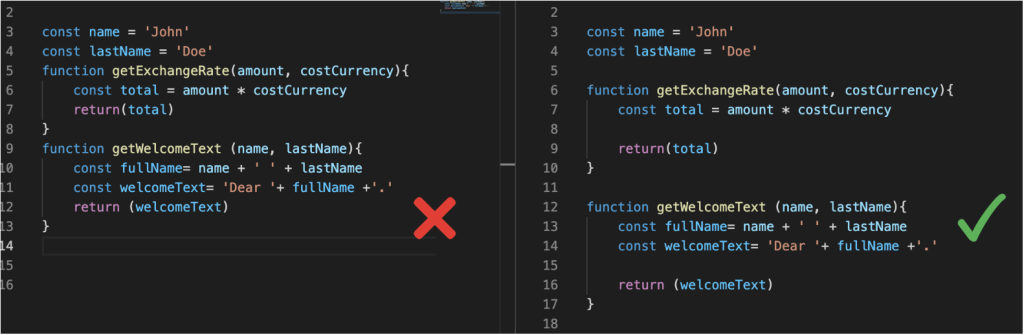
Another major contribution of Clean Code is its redefinition of evaluation criteria for source code. Rather than prioritizing performance or brevity, the book emphasizes readability and maintainability as determinants of long-term software value. Under this view, source code is treated as an asset to be maintained and evolved, rather than a transient artifact leading to executable programs.
This perspective is particularly relevant in contexts where software systems have long lifespans and are maintained by multiple generations of developers. Clean Code clarifies that the majority of software costs arise not during initial development, but during modification, extension, and defect resolution. Consequently, code quality directly influences economic efficiency and system stability.
3.3. Clean Code and the Formation of Professional Standards
Unlike many technical books that focus solely on individual skill development, Clean Code situates source code quality within the context of professional responsibility. The book frames writing clear, well-structured, and maintainable code as a professional standard, comparable to standards in other engineering disciplines.
Through its sustained argumentation, Robert C. Martin connects code quality with professional ethics, asserting that poor-quality code imposes technical burdens on colleagues and organizations. This approach expands the discourse on programming beyond technical concerns to include responsibility and professionalism in collaborative work environments.
3.4. Long-Term Influence on the Software Development Community
Since its publication, Clean Code has become a widely referenced resource in programmer education and in the establishment of internal coding standards within organizations. Concepts such as short functions, single responsibility, readable code, and testability have become part of the shared discourse of the technical community.
Although certain specific viewpoints in the book have sparked debate or been adapted to new technological contexts, the overall influence of Clean Code lies in raising awareness of the importance of source code quality. The book has contributed to shaping how developers discuss, evaluate, and critique code, thereby fostering a culture of code review and continuous improvement.
3.5. The Position of Clean Code within the Software Engineering Canon
Within the broader corpus of software engineering literature, Clean Code occupies an intermediate position between design theory and programming practice. It is less abstract than theoretical works on software architecture, yet extends beyond narrowly focused technical guides. This balance contributes to its enduring relevance.
Clean Code is often discussed alongside works such as The Pragmatic Programmer, Martin Fowler’s Refactoring, and Steve McConnell’s Code Complete. Within this constellation, Clean Code’s distinctive contribution lies in its deep focus on the expressive quality of source code and its treatment of code clarity as the foundation for all design and implementation decisions.
4. Intended Audience and Scope of Reception
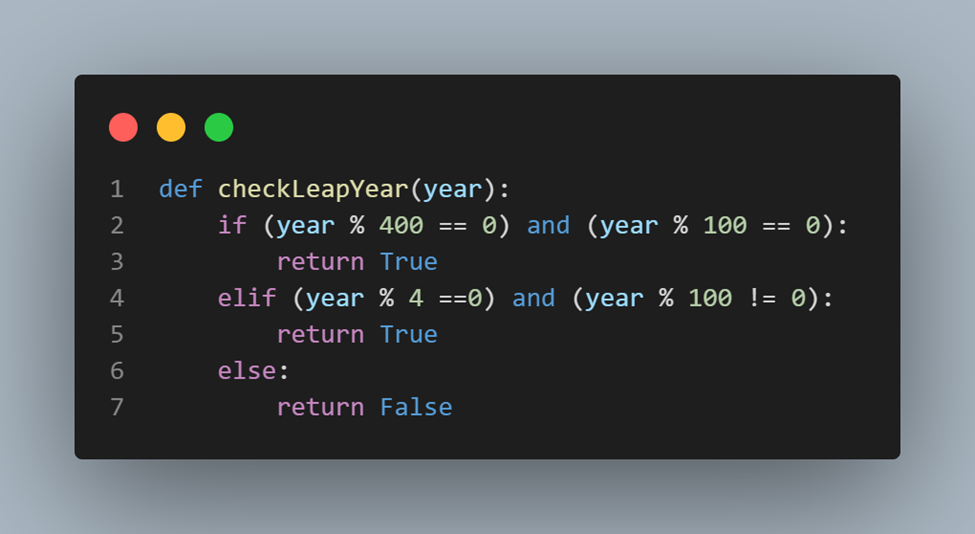
Clean Code is primarily aimed at readers who already have practical experience writing and reading source code, particularly developers at early to intermediate stages of their careers whose understanding of code quality is still forming. In this context, the book functions as a reference framework for evaluating source code beyond mere functional correctness.
For experienced developers – especially those involved in system maintenance or refactoring – Clean Code provides a shared vocabulary for analyzing, discussing, and improving code quality. The principles presented support the identification of complexity and guide refactoring at the level of design thinking rather than isolated technical fixes.
At the team and organizational level, the book is well suited for technical leadership roles such as team leads or software architects who are responsible for establishing coding standards and fostering a consistent development culture. Conversely, Clean Code is less suitable for complete beginners or readers seeking quick tutorials on specific technologies, languages, or frameworks, as its focus lies on long-term principles rather than tool-specific skills.
5. Conclusion
Clean Code: A Handbook of Agile Software Craftsmanship is not constructed as a purely technical programming manual, but as a comprehensive work on quality-oriented thinking in software development. By systematizing principles for writing clear, well-structured, and maintainable code, the book establishes a professional standard that transcends individual functional requirements.
The core value of Clean Code lies in its ability to transform accumulated practical experience in the software industry into a coherent methodological framework. Rather than providing fixed formulas, the book shapes an approach that treats source code as an object to be designed, read, and continuously refined throughout the software lifecycle. This perspective enables the book to retain long-term relevance even as technologies and tools evolve.
Within the broader landscape of software engineering literature, Clean Code occupies a critical intersection between technical practice and professional ethics. The book contributes to standardizing the language used to discuss code quality and emphasizes the responsibility of developers toward the systems they create. In this respect, Clean Code transcends the boundaries of a conventional programming book to become a foundational text in the formation of professional software development thinking.
6. Related References
[1] R. C. Martin, Clean Code: A Handbook of Agile Software Craftsmanship. Upper Saddle River, NJ, USA: Prentice Hall, 2008.
[2] R. C. Martin, The Clean Coder: A Code of Conduct for Professional Programmers. Upper Saddle River, NJ, USA: Prentice Hall, 2011.
[3] R. C. Martin, Clean Architecture: A Craftsman’s Guide to Software Structure and Design. Boston, MA, USA: Prentice Hall, 2017.
[4] E. Gamma, R. Helm, R. Johnson, and J. Vlissides, Design Patterns: Elements of Reusable Object-Oriented Software. Reading, MA, USA: Addison-Wesley, 1994.
[5] M. Fowler, Refactoring: Improving the Design of Existing Code. Reading, MA, USA: Addison-Wesley, 1999.
[6] M. Fowler, Patterns of Enterprise Application Architecture. Boston, MA, USA: Addison-Wesley, 2002.
[7] S. McConnell, Code Complete, 2nd ed. Redmond, WA, USA: Microsoft Press, 2004.
[8] A. Hunt and D. Thomas, The Pragmatic Programmer: From Journeyman to Master. Reading, MA, USA: Addison-Wesley, 1999.
[9] K. Beck, Test-Driven Development: By Example. Boston, MA, USA: Addison-Wesley, 2003.
[10] F. Brooks, The Mythical Man-Month: Essays on Software Engineering, Anniversary ed. Boston, MA, USA: Addison-Wesley, 1995.