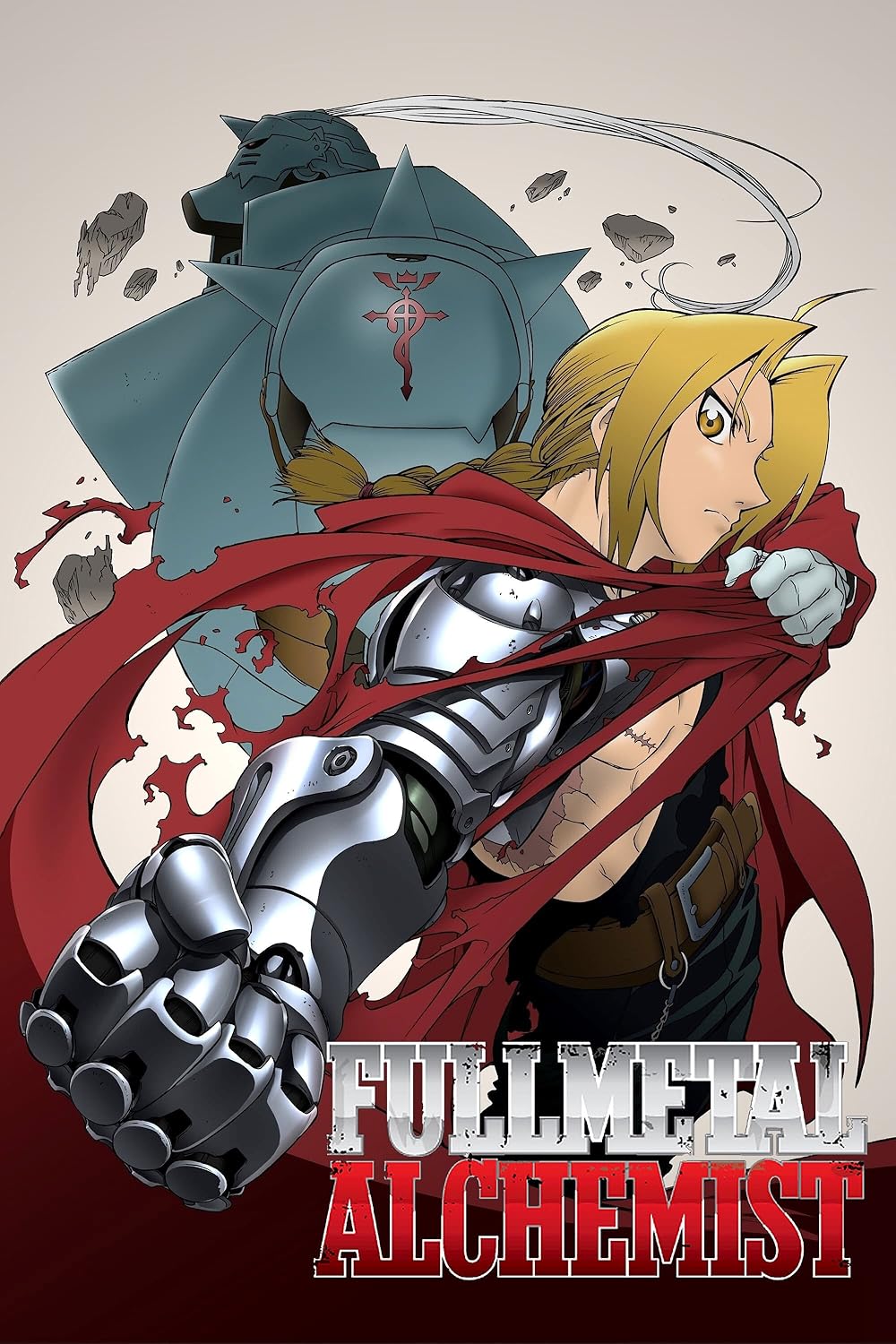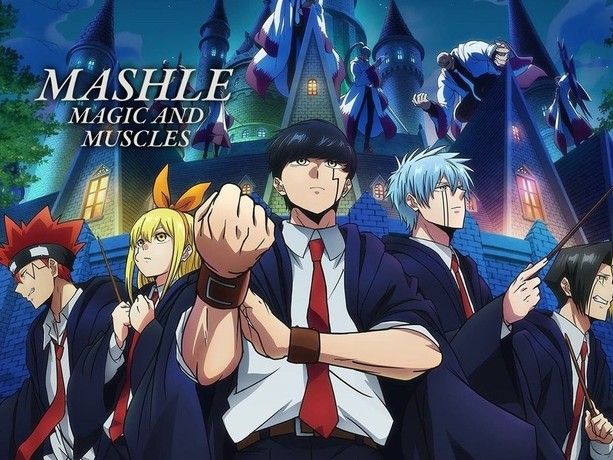
In the course of the development of Japanese manga, very few works have transcended the boundaries of entertainment to become global cultural phenomena, and Dragon Ball stands as one of the most representative examples. Released in the mid-1980s, at a time when shōnen manga was gradually shaping its identity, Dragon Ball not only satisfied the entertainment needs of young readers but also contributed to establishing new standards for storytelling, character construction, and world-building in modern manga.
Centered on the coming-of-age journey of Son Goku, Dragon Ball unfolds a universe in which martial arts, adventure, Eastern mythology, and science fiction coexist within a unified structure. The work begins with a light-hearted, humorous, and exploratory tone, then gradually shifts toward conflicts of increasing scale, reflecting the protagonist’s growth both physically and intellectually. This layered and organic development has allowed Dragon Ball to maintain lasting appeal, unconstrained by age or cultural context.
On an ideological level, Dragon Ball is not merely a story about strength and victory; it raises universal questions concerning the meaning of effort, the limits of human potential, the responsibility of the powerful, and the value of integrity. Through the accessible and visual language of manga, Akira Toriyama conveys humanistic messages in a natural and non-didactic manner, enabling the work to remain approachable for general audiences while retaining sufficient depth for critical analysis.
For these reasons, Dragon Ball is regarded not only as a classic shōnen manga but also as a significant milestone in the history of world comics. Revisiting and analyzing Dragon Ball is therefore not simply an evaluation of a famous work, but a way to better understand the artistic values, ideological foundations, and long-term influence it has left on contemporary popular culture.
1. Introduction to the Author and the Work
1.1. Author: Akira Toriyama
Dragon Ball is the most representative work in the career of Akira Toriyama (1955–2024), one of the most influential and enduring mangaka in modern Japanese comics. Before becoming closely associated with Dragon Ball, Toriyama had already gained widespread recognition from both the public and critics through Dr. Slump (1980), a humorous manga characterized by absurdity, satire, and inventive visual expression. This early success not only secured his position in the manga industry but also allowed him to experiment with new creative directions.
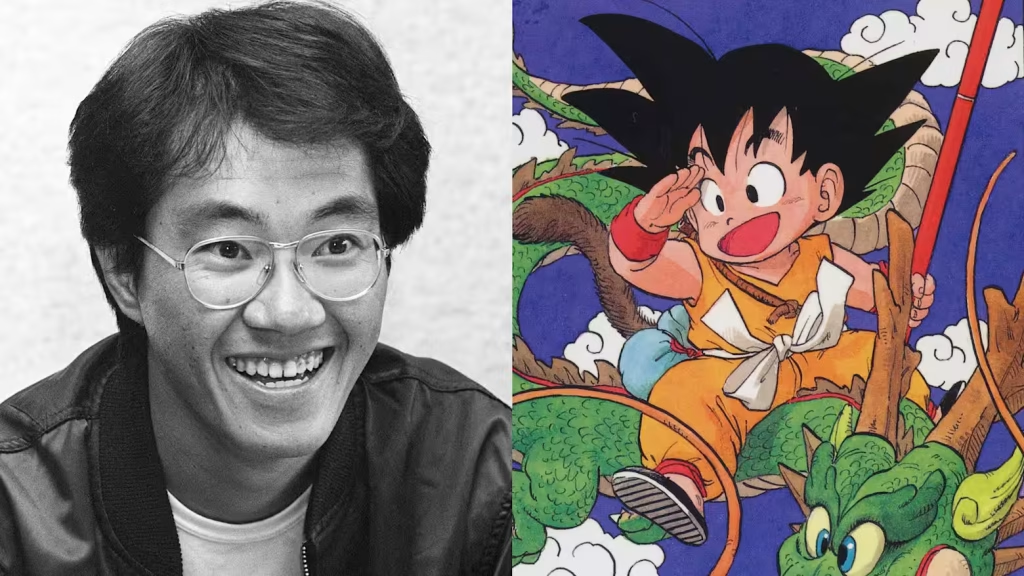
Akira Toriyama’s artistic style is immediately recognizable through its clean, readable linework, highly iconic character designs, and dynamic depiction of movement. He placed particular emphasis on clarity in panel composition, making action scenes visually intuitive and accessible to a wide range of readers. At the same time, Toriyama frequently combined elements of East Asian folklore – especially mythology and traditional martial arts – with modern science fiction, creating fictional worlds that feel both familiar and innovative.
From a creative standpoint, Toriyama did not pursue philosophical complexity for its own sake. Instead, he favored clear narrative progression, coherent development, and characters driven by simple yet consistent motivations. This approach enabled his works – Dragon Ball in particular – to reach a global audience, transcending cultural and linguistic barriers to become an international phenomenon.
1.2. The Work: Dragon Ball
Dragon Ball was serialized in Weekly Shōnen Jump from 1984 to 1995, comprising a total of 42 collected volumes. In its early stages, the work was clearly influenced by the Chinese classical novel Journey to the West, as reflected in the protagonist’s characterization, mythological elements, and journey-based narrative structure. However, rather than remaining a straightforward adaptation, Akira Toriyama rapidly expanded and transformed this source material to construct a completely independent fictional universe.
In terms of genre, Dragon Ball belongs to shōnen manga, targeting young readers, yet its narrative structure demonstrates continuous development and considerable depth. The work can be divided into several distinct phases: an initial phase focused on adventure and comedy, a phase centered on martial arts and training, and a later phase in which conflicts expand to a global and eventually cosmic scale. These transitions are gradual rather than abrupt, reflecting both the protagonist’s maturation and the evolving expectations of the readership.
From a storytelling perspective, Dragon Ball is notable for its fast pacing and consistently escalating climaxes, while maintaining internal narrative logic. Its diverse cast of characters, each serving a specific role in the overall plot, contributes to a vivid and multilayered fictional world. Beyond the manga format, Dragon Ball has been adapted into anime series, feature films, video games, and various cultural products, significantly extending its influence.
This combination of accessibility, tight narrative structure, and adaptability across media has enabled Dragon Ball to transcend the boundaries of a conventional shōnen manga, establishing it as one of the most influential works in the history of Japanese comics and global popular culture.
2. Summary of the Plot
The narrative of Dragon Ball is constructed as a long-term journey, in which the evolution of the story is closely intertwined with the growth of the central character, Son Goku. Rather than focusing on a single overarching conflict, the work unfolds through multiple consecutive phases, each relatively self-contained while simultaneously serving as a foundation for broader thematic and narrative expansion.
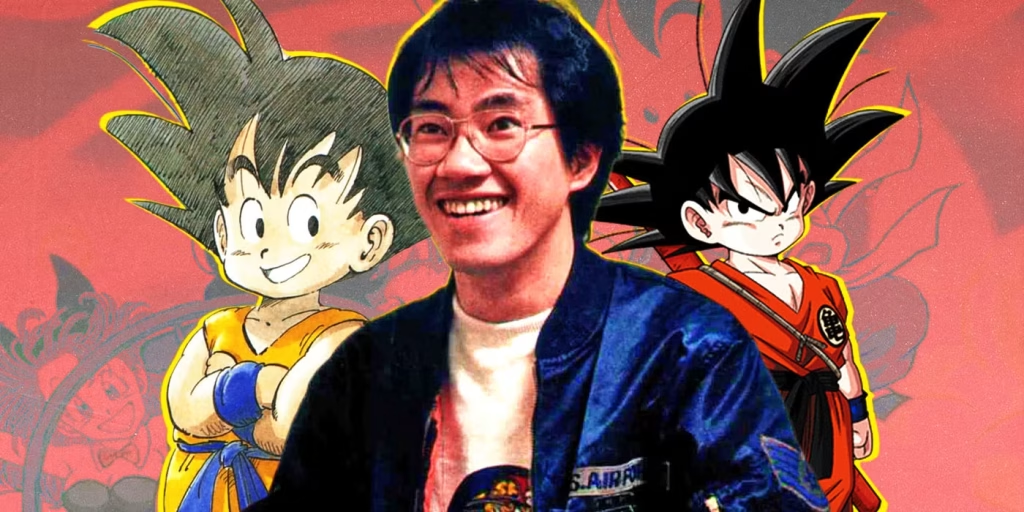
2.1. The Initial Phase: Adventure, Exploration, and Mythological Elements
In its early phase, Dragon Ball is characterized by a strong sense of adventure and humor. The story begins when Son Goku, a boy possessing extraordinary strength yet living in isolation from human society, meets Bulma and joins her in a quest to collect the seven Dragon Balls. This phase concentrates on introducing the fictional world, the main characters, and the fundamental rules governing the Dragon Ball universe.
These early adventures strongly evoke the structure of Journey to the West, featuring travels across diverse regions, encounters with unusual characters, and symbolic trials. However, Toriyama avoids a mechanical retelling of the classic source, instead incorporating modern humor that creates a light and accessible tone. Early antagonists such as Pilaf function more as narrative obstacles that highlight Goku’s innocence and straightforward nature rather than posing genuine existential threats.
2.2. The Development Phase: Martial Arts, Training, and Competition
As the story progresses, Dragon Ball gradually shifts its focus from adventure to martial arts. Martial arts tournaments – especially the World Martial Arts Tournament – become a central narrative axis for an extended period. These tournaments serve not merely as stages for showcasing strength, but as spaces where the work’s philosophy of martial discipline is articulated.
Training occupies a central role during this phase. Goku and other characters repeatedly confront new personal limits, driving growth in both combat ability and self-awareness. Victory and defeat in Dragon Ball are never absolute; each battle offers lessons that propel further development. This narrative approach elevates combat beyond simple spectacle, transforming it into a mechanism for character growth and thematic exploration.
2.3. The Expansion Phase: Global and Cosmic Conflict
In the latter half of the work, Dragon Ball expands the scale of conflict to a global and eventually cosmic level. The revelation of Goku’s Saiyan origins marks a pivotal turning point, shifting the narrative from traditional martial arts settings to science fiction. Antagonists such as Frieza, Cell, and Majin Buu represent not only overwhelming power but existential threats to all life.
At this stage, the narrative structure becomes more complex, interweaving combat, sacrifice, and responsibility. Goku no longer stands alone, but functions as part of a collective of warriors defending Earth. Supporting characters are given expanded roles, enriching the fictional world. Prolonged and intense battles emphasize not only strength, but also unity and intergenerational succession.
2.4. Overall Narrative Structure
Viewed as a whole, the plot of Dragon Ball represents a continuous expansion in spatial scope, temporal scale, and ideological depth. From personal exploratory journeys, the story evolves into life-or-death confrontations affecting entire communities and the universe itself. This transformation unfolds naturally, reflecting the internal logic of character development and world-building, and sustaining the work’s appeal throughout more than a decade of serialization.
Through its multilayered structure and coherent transitions between phases, Dragon Ball transforms from an adventure manga into a sweeping narrative about growth, responsibility, and the meaning of strength in human life.
3. Themes and Ideology
Beyond its extended battles and adventures, Dragon Ball establishes a consistent system of themes and ideas that permeate the entire work. Through narrative progression and character development, Akira Toriyama gradually articulates universal concerns such as the value of effort, human limitations, the ethics of power, and humanistic ideals amid persistent conflict.
3.1. Transcending Limits and the Ideal of Self-Improvement
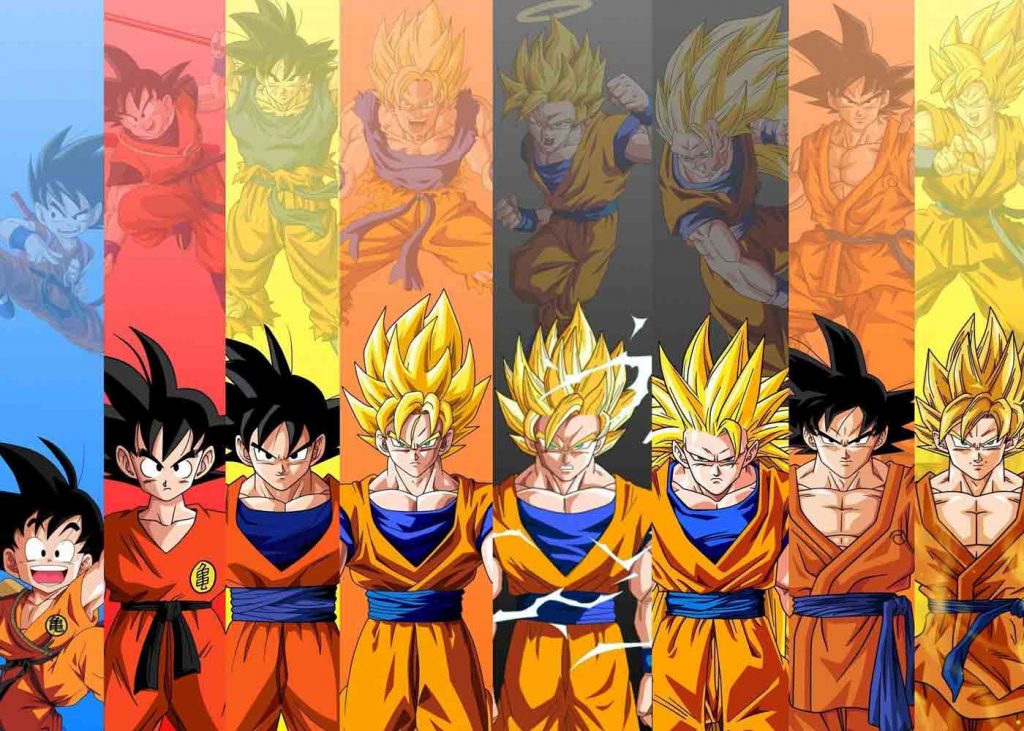
One of the central themes of Dragon Ball is the pursuit of surpassing one’s limits. Strength in the Dragon Ball universe is not presented as a fixed state, but as the outcome of relentless training. Characters – especially Son Goku – continuously face stronger opponents, compelling them to break through perceived ceilings.
Crucially, increased strength is not tied to domination or personal ambition. Instead, transcending limits represents self-improvement as an end in itself. This perspective lends the work a clear educational dimension, resonating with younger audiences while retaining credibility for adult readers.
3.2. Martial Ethics and the Morality of Power
Alongside its emphasis on power, Dragon Ball raises a fundamental question: what is power for? The work articulates a clear ethical framework in which superior strength entails responsibility toward protecting the weak and preserving order.
In the Dragon Ball universe, power is evaluated not solely by victory, but by its application. Protagonists adhere to implicit martial principles – respecting opponents, accepting defeat, and refraining from abusing power for selfish ends. Antagonists, by contrast, are defined not only by destructive force but by immoral uses of power that place personal gain above collective survival.
3.3. Defeat, Death, and Rebirth
Another distinctive ideological aspect of Dragon Ball lies in its treatment of defeat and death. Failure rarely constitutes an endpoint; rather, it serves as a necessary stage in growth. Characters may be defeated or even sacrificed, yet such events are integrated into the broader evolutionary arc of the narrative.
The existence of the Dragon Balls, capable of reversing death, does not diminish the significance of sacrifice. Instead, it underscores the value of willingness to give oneself for others. Death in Dragon Ball is therefore symbolic rather than purely tragic, reflecting an optimistic belief in renewal and second chances.
3.4. Solidarity and Communal Values
Although Son Goku occupies the central role, Dragon Ball does not promote the archetype of the solitary hero. Major victories are often achieved through cooperation, mutual support, and generational succession. This emphasis reflects a clear valuation of community, in which each individual – regardless of strength – contributes meaningfully.
Solidarity is expressed not only through combat but also through trust and sacrifice. Relationships between masters and disciples, friends and comrades form a moral framework that prevents the narrative from glorifying individual power in isolation.
3.5. Humanism and the Possibility of Redemption
A further notable theme in Dragon Ball is its view of human nature and transformation. Several characters who initially oppose Goku are later granted opportunities for integration and redemption. This reflects a humanistic belief that character is not immutable and that change remains possible under appropriate circumstances.
This message elevates Dragon Ball beyond a simple action narrative, positioning it as a discourse on moral growth and human potential within society.
4. Value and Influence
Beyond its commercial success as a shōnen manga, Dragon Ball possesses enduring artistic, ideological, and cultural value. Its influence extends far beyond Japanese comics, shaping global perceptions of manga, anime, and related forms of popular entertainment.
4.1. Artistic Value and Narrative Technique
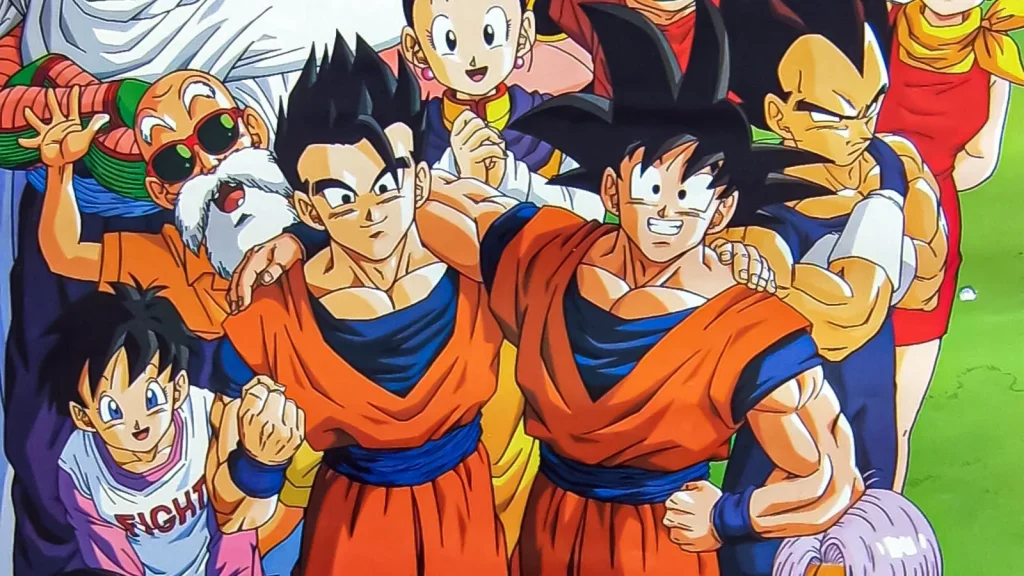
Artistically, Dragon Ball is widely regarded as foundational to modern action-oriented manga storytelling. Akira Toriyama developed a flexible panel system emphasizing movement, rhythm, and continuity. Action sequences rely primarily on visual storytelling rather than exposition, allowing readers to intuitively follow the narrative flow.
The work excels in sustaining tension over extended arcs. Climaxes emerge gradually through confrontation, training, and psychological shifts, rather than being confined to final moments. This approach has become a structural model for many later shōnen works.
4.2. Establishing Standards for the Shōnen Genre
One of Dragon Ball’s most significant contributions lies in codifying key shōnen conventions: protagonists who grow through training, escalating tiers of opponents, structured competitions, and balanced portrayals of rivalry and teamwork.
These elements have been inherited and reinterpreted by numerous later series. Dragon Ball’s role as a shared reference point for creators and audiences alike underscores its foundational impact on shōnen manga and Japanese comics as a whole.
4.3. Influence on Anime, Games, and Multimedia
Dragon Ball achieved widespread reach through anime adaptations, feature films, and video games. The anime series Dragon Ball and Dragon Ball Z played a crucial role in introducing the franchise to international audiences.
In gaming, Dragon Ball has become one of the most frequently adapted manga properties, spanning genres from fighting games to role-playing and action titles. This versatility demonstrates both the adaptability of the Dragon Ball universe and its narrative resilience across media.
4.4. Popular Culture Impact and Global Iconography
On the level of popular culture, Dragon Ball has transcended entertainment to become a global symbol. Son Goku is widely recognized as an archetypal manga hero, appearing across diverse cultural contexts, including advertising, sports events, and popular art.
The franchise has also reshaped global perceptions of manga and anime, helping transition them from regionally confined media into integral components of global popular culture. For many readers, Dragon Ball served as a gateway into Japanese comics, fostering the international growth of the industry.
4.5. Enduring Value and Reinterpretation
A key factor in Dragon Ball’s longevity lies in its capacity for continual reinterpretation across generations. Although created within the social and cultural context of the 1980s and 1990s, its core themes – self-improvement, transcending limits, and communal responsibility – retain contemporary relevance.
This adaptability ensures that Dragon Ball remains not merely a nostalgic artifact, but a living text continually reread and reassessed within modern cultural discourse.
5. Conclusion
Through its overall structure and narrative progression, Dragon Ball demonstrates its status as a work that extends beyond conventional entertainment manga. By harmoniously blending adventure, martial arts, and science fiction, Akira Toriyama created an expansive fictional world in which plot development parallels character maturation and increasing ideological depth.
From a thematic perspective, Dragon Ball emphasizes universal values such as self-improvement, ethical responsibility in the use of power, communal solidarity, and the transcendence of personal limits. These themes are conveyed through concrete narrative situations rather than didactic exposition, enabling the work to remain accessible while supporting cultural and critical analysis.
Artistically and historically, Dragon Ball plays a foundational role in shaping modern shōnen manga, establishing narrative and character-building standards that continue to influence later works. Its impact extends beyond manga and anime into broader domains of global popular culture, reinforcing the international standing of Japanese comics.
Ultimately, Dragon Ball should be understood not only as a commercially successful or widely popular manga, but as a cultural legacy of enduring significance. Its continued readership, study, and reinterpretation in contemporary contexts attest to its lasting vitality and its capacity to engage successive generations. These qualities firmly secure Dragon Ball’s position as one of the most important milestones in the history of world comics.