In the development of American literature in the late nineteenth and early twentieth centuries, the short story gradually emerged as an important literary genre, reflecting the rapidly transforming rhythm of urban life along with subtle changes in human psychology and destiny. As American society entered a period of accelerated urbanization, concise yet evocative narratives became an ideal medium for writers to record everyday moments, social paradoxes, and the humanistic values hidden beneath the seemingly simple surface of ordinary life.
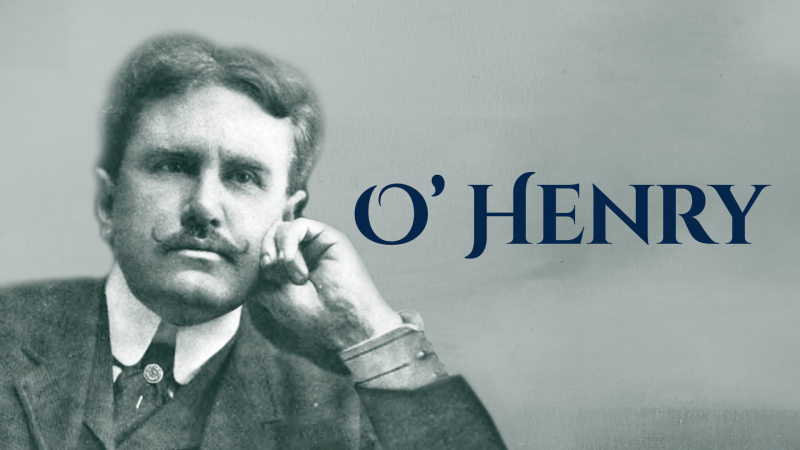
Within this context, O. Henry appeared as a representative figure who helped shape the identity of the American short story through a flexible narrative style, keen powers of observation, and, above all, the art of the unexpected ending that became his unmistakable hallmark. His works not only attracted a wide readership in his own time due to their entertaining quality and close connection to urban life, but also earned critical recognition for their tight structure, humorous tone, and enduring humanistic vision. From stories that might appear modest in scale, O. Henry vividly portrayed American society in the early twentieth century and left a lasting imprint on the history of world literature.
1. A Brief Introduction to O. Henry
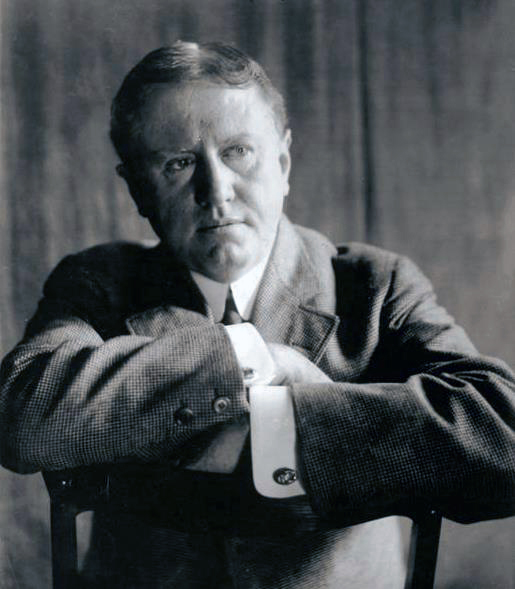
O. Henry was the pen name of William Sydney Porter, one of the representative writers of American literature in the late nineteenth and early twentieth centuries. He was born on September 11, 1862, in Greensboro, North Carolina, into a middle – class family. His father was a physician, and his mother passed away when he was only three years old – an early loss that significantly influenced his childhood and the formation of his personality and inner world.
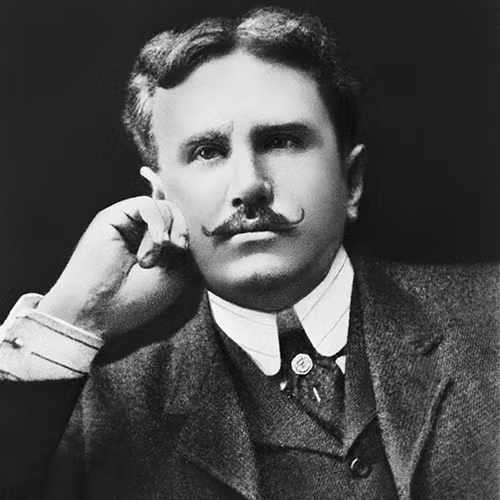
From a young age, Porter demonstrated intellectual curiosity and diverse talents. He studied pharmacy and obtained a license as a practicing pharmacist, while also showing an early aptitude for drawing, writing, and social observation. However, rather than pursuing a single stable career, his life was marked by numerous turning points and a wide range of occupations, including pharmacist, bank clerk, illustrator, editor, and journalist. These direct encounters with different social environments and social classes later became a rich source of material for his literary work.
A major turning point in William Sydney Porter’s life occurred in the late 1890s, when he was convicted and imprisoned on financial charges related to his work at a bank. Although the legal circumstances of the case have remained a subject of debate among scholars, there is little doubt that his time in prison proved decisive for his literary career. It was during his imprisonment that Porter began writing short stories in a serious and sustained manner and adopted the pen name O. Henry for publication – both to conceal his identity and to mark the beginning of a new creative path.
After his release, O. Henry moved to New York, a city that later became the central artistic setting for many of his most famous short stories. In his writing, New York appears as a vibrant, multi-layered metropolis where ordinary people confront economic pressure, aspirations for a better life, and the paradoxes of modern society. His direct experience of urban life there enabled him to create stories that were vivid, accessible, and highly attuned to contemporary realities.
O. Henry died on June 5, 1910, at the age of forty – seven, due to prolonged health complications. Despite his short and turbulent life, he has been widely recognized as one of the most influential writers in the field of American short fiction, with a distinctive style and a lasting artistic legacy. His name has since become associated with a writer who possessed a profound understanding of human life, especially the fate of ordinary individuals in the urban society of the early twentieth century.
2. O. Henry’s Literary Career
O. Henry’s literary career unfolded over a relatively short period, yet it left a deep imprint on American literary history thanks to both the density of his output and the breadth of his popularity. Before becoming a professional writer, William Sydney Porter engaged in early experiments with journalism and illustration, particularly during his time in Texas. There, he contributed to several local newspapers, writing short stories and satirical sketches while also providing illustrations, demonstrating a versatile and flexible creative capacity.
A crucial turning point in O. Henry’s literary career occurred during his imprisonment in the late nineteenth century. Isolated from everyday social life, he devoted himself seriously and systematically to writing short fiction. The earliest works published under the name O. Henry were sent out from prison and appeared in major magazines, quickly attracting readers’ attention for their distinctive narrative style, concision, and surprising twists. This period marked his transition from amateur writing to a professional literary career and laid the foundation for his characteristic approach to the short story.
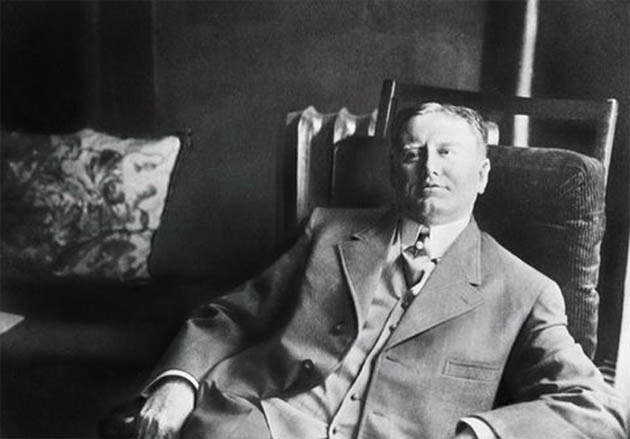
After his release, O. Henry relocated to New York, then the cultural and publishing center of the United States. There, his writing career entered its most productive phase. In less than a decade, he produced more than 300 short stories, many of which were regularly published in prestigious magazines and later collected into volumes. His ability to write quickly, consistently, and on deadline made him one of the most sought-after short-story writers in the publishing market of the early twentieth century.
The subject matter of O. Henry’s fiction primarily revolves around urban life, especially New York City, with its working-class neighborhoods, modest boarding houses, small offices, and everyday public spaces. His characters are typically ordinary people: office clerks, small shopkeepers, struggling artists, immigrants, or individuals living on the margins of society. Through these figures, O. Henry vividly depicted American social reality during a period of rapid urbanization while demonstrating keen insight into human psychology and behavior.
From a technical perspective, O. Henry’s career is closely associated with the refinement of a short-story model characterized by tight structure, concentrated climax, and an inverted ending. Each story functions as a complete unit, in which seemingly incidental details all contribute to the decisive conclusion. This effective organization of plot allowed his stories to be both easily readable and highly memorable, well suited to the fast-paced reading habits of urban audiences of his time.
Despite achieving great success in publication and enjoying widespread popularity, O. Henry’s literary career was also burdened by intense work pressure and persistent health problems. Nevertheless, these limitations do not diminish the overall value of his legacy. On the contrary, the sheer volume of his output and its consistent quality firmly established his position as one of the most important short-story writers in modern American literature.
3. Artistic Style and Ideological Vision of O. Henry
O. Henry’s artistic style is widely regarded as one of the most significant factors contributing to his distinctive position in the history of American short fiction. Beyond his prolific output and broad popularity, he is recognized as a writer who successfully developed a unique narrative method that both satisfied the entertainment demands of a mass readership and conveyed meaningful humanistic and social implications.
The most striking feature of O. Henry’s style lies in his ability to construct concise yet tightly organized plots. His short stories are typically structured in a linear fashion, with simple and often mundane openings designed to create a sense of familiarity for readers. Beneath this apparent simplicity, however, lies a carefully arranged system of details, each playing a specific role in guiding the narrative toward its climax and conclusion. This approach enabled O. Henry to tell complete and emotionally resonant stories within a limited length.
Alongside this structural precision, the use of the unexpected ending stands as the most distinctive hallmark of O. Henry’s storytelling. These endings often overturn the reader’s initial expectations, compelling a reassessment of the entire narrative from a new perspective. Importantly, the surprise in O. Henry’s stories is neither arbitrary nor contrived; rather, it is meticulously prepared through subtle hints and narrative foreshadowing, making the conclusion both startling and logically convincing. As a result, the term “the O. Henry ending” has become a familiar concept in literary study and pedagogy.
In terms of language and tone, O. Henry employed a plain, colloquial style infused with gentle humor. His narrative voice frequently combines wit, understated satire, and sympathy for his characters. Consequently, even when depicting hardship, poverty, or personal failure, his stories maintain a sense of balance and avoid excessive sentimentality or despair. This narrative approach made his work accessible to a wide audience and contributed to its enduring appeal.
Ideologically, O. Henry’s writing reflects a deeply humanistic concern for individuals in modern society, particularly those from the lower and working classes. He focused on fundamental moral values such as love, friendship, generosity, and quiet sacrifice, presenting them as essential resources for overcoming adversity. In many stories, moral nobility is not expressed through grand actions, but through small, often unnoticed choices that are revealed only at the conclusion.
Moreover, O. Henry’s style embodies a soft yet effective reflection of social reality. Rather than overtly criticizing social injustice or conflict, he relied on ironic situations and the cruel twists of fate to provoke reflection. This method allowed his stories to remain entertaining while offering subtle commentary on urban life, class divisions, and economic pressures in early twentieth-century American society.
Overall, O. Henry’s artistic style and ideological outlook represent a harmonious blend of narrative craftsmanship, approachable language, and enduring humanistic values. This combination has enabled his works to transcend their historical moment and continue to be read, studied, and taught as exemplary models of modern short fiction.
4. Legacy and Contributions of O. Henry
In the history of American literature, O. Henry is recognized not only as a commercially successful short-story writer, but also as one of the authors who exerted a lasting influence on the formation and development of modern short fiction. His legacy extends beyond the sheer quantity of his works, manifesting in his role in shaping narrative methods, expanding the expressive potential of the short story, and establishing artistic standards that remain relevant today.
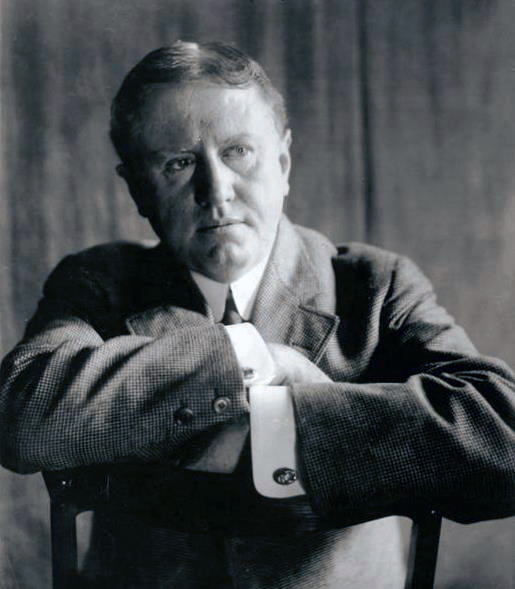
O. Henry’s most significant contribution lies in his standardization of a concise yet highly effective short-story model, well suited to urban life and the fast-paced reading culture of early twentieth-century society. Through tightly constructed plots, clearly defined climaxes, and carefully calculated endings, he demonstrated that the short story is not a “secondary” literary form, but one capable of conveying a complete narrative and profound humanistic meaning within limited space.
He also left a lasting mark by popularizing and refining the inverted or surprise ending, which became a defining feature of his literary identity. This type of ending not only delivers an element of surprise, but also actively engages readers, prompting them to reinterpret the narrative in light of its conclusion. As a result, the concept of the “O. Henry ending” has been widely adopted in literary criticism, education, and creative writing, testifying to his far-reaching influence on modern narrative technique.
In terms of content, O. Henry’s legacy is closely associated with his vivid and humane portrayal of American urban life in the early twentieth century. Rather than focusing on historical figures or major events, he placed ordinary individuals at the center of his stories, capturing the rhythm, psychology, and social contradictions of a rapidly urbanizing society. This approach has given his short stories lasting value as cultural documents that reflect the spirit of their era.
O. Henry’s influence extends beyond American literature through translation and international reception. His stories have been translated into numerous languages, incorporated into educational curricula, and adapted for theater, film, and television. Their continued presence in popular culture attests to the enduring vitality of his literary legacy.
A clear testament to his influence is the establishment of the O. Henry Award in 1919, which honors outstanding short stories published annually in the United States. The award not only commemorates O. Henry himself, but also reflects his foundational role in elevating the status of the short story within literary life. Over the decades, it has helped identify and recognize many important writers, thereby extending O. Henry’s influence into contemporary literature.
Taken as a whole, O. Henry’s legacy and contributions lie in the harmonious integration of effective narrative technique, enduring humanistic values, and a close engagement with social reality. These qualities have secured his position as one of the most important short-story writers in American literature and affirmed his lasting influence in the broader history of world literature.
5. Major Works of O. Henry
In American literary history, O. Henry’s works are regarded as exemplary manifestations of the vitality of the urban short story in the early twentieth century. These writings not only vividly reflect social life but also demonstrate the author’s masterful command of plot construction and situational irony.
- “The Gift of the Magi” (1905)
O. Henry’s most famous short story, recounting the quiet sacrifices made by a poor married couple during the Christmas season. The work is highly regarded for its symmetrical structure and its humanistic message about love and spiritual value. - “The Last Leaf” (1907)
A moving story about human compassion and art, set in Greenwich Village. The narrative portrays the power of hope and selfless devotion, clearly reflecting O. Henry’s humanistic ideals. - “The Ransom of Red Chief” (1907)
A humorous and sharply satirical tale centered on a comically disastrous kidnapping. The story exemplifies O. Henry’s characteristic use of paradox and narrative reversal. - “After Twenty Years” (1908)
A story exploring friendship, responsibility, and the law through a fateful reunion after two decades. Its unexpected yet logical ending is often cited as a classic example of O. Henry’s narrative technique. - The Four Million (1906)
A collection of short stories depicting the diverse life of New York City, further establishing O. Henry’s reputation as a “writer of the modern metropolis.”
Overall, O. Henry’s major works laid a solid foundation for modern American short fiction and expanded the expressive capacity of the genre in representing social life and human psychology. They possess not only literary value but also historical significance in the development of world prose.
6. Conclusion
O. Henry stands as one of the most representative figures of early twentieth-century American literature, having made a significant contribution to establishing the artistic value and status of the modern short story. Through hundreds of carefully crafted works characterized by flexible narration and rich humanistic meaning, he developed a distinctive and easily recognizable literary style with lasting influence.
The uniqueness of O. Henry’s legacy lies not only in his iconic use of the surprise ending, but also in his ability to portray American urban life in a vivid, subtle, and accessible manner. By focusing on ordinary people and everyday situations, he opened up profound reflections on love, generosity, sacrifice, and moral values in modern society. This gentle yet persuasive approach has allowed his works to transcend their historical moment and continue to resonate with readers across generations.
Despite a brief and turbulent life, O. Henry left behind a literary legacy of enduring vitality, widely received in scholarship, education, and popular culture. His name remains inseparable from the development of the American short story and firmly occupies a respected place in the history of world literature as a writer with a deep understanding of humanity and his own era.