In the digital era, as software has become a core infrastructure shaping nearly every domain – from economics and education to healthcare and social life – the role of the programmer has far surpassed the image of someone who merely “writes code.” Programming today is a profession that demands a high level of responsibility, strict discipline, and clearly defined standards of conduct, as every line of code can directly affect product quality, user experience, and even system safety. In practice, however, many problems in the software industry do not stem from technology itself, but from the attitudes, decision-making processes, and professional awareness of the people behind the code.
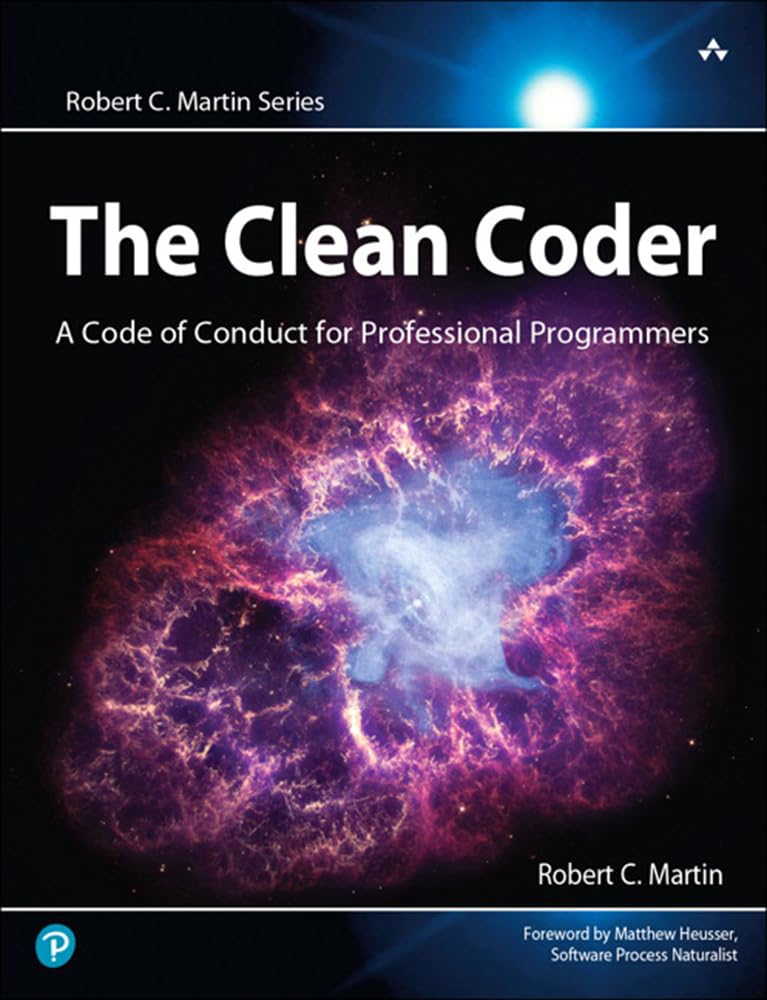
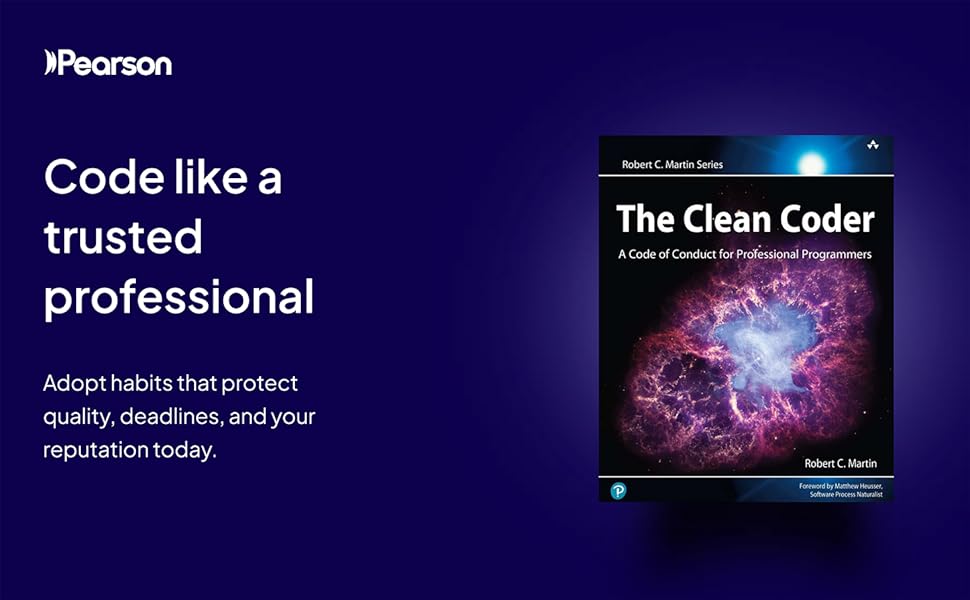
It is precisely within this context that The Clean Coder: A Code of Conduct for Professional Programmers by Robert C. Martin emerges as a powerful reminder of the true nature of professionalism in programming. Rather than teaching specific techniques, programming languages, or frameworks, the book focuses on a fundamental question: what does it mean to be a truly professional programmer? By examining personal responsibility, professional discipline, workplace communication, and essential technical practices, the book establishes a set of standards that help programmers develop a sustainable way of working in an environment characterized by constant pressure and change.
With The Clean Coder: A Code of Conduct for Professional Programmers, Robert C. Martin does more than offer advice; he places the programmer at the very center of software quality. The book demonstrates that high-quality software cannot be produced without a serious professional mindset, a strong sense of responsibility, and long-term commitment to quality. For this reason, The Clean Coder is widely regarded as one of the most important works that elevates programming from a technical skill to a profession grounded in standards, ethics, and enduring values.
1. Introduction to the Author and the Work
The Clean Coder: A Code of Conduct for Professional Programmers is authored by Robert C. Martin, widely known in the software engineering community by the nickname “Uncle Bob.” He is one of the most influential figures in the history of modern software development, not only as a veteran programmer but also as a thinker, speaker, and author whose contributions have profoundly shaped professional thinking in the field.
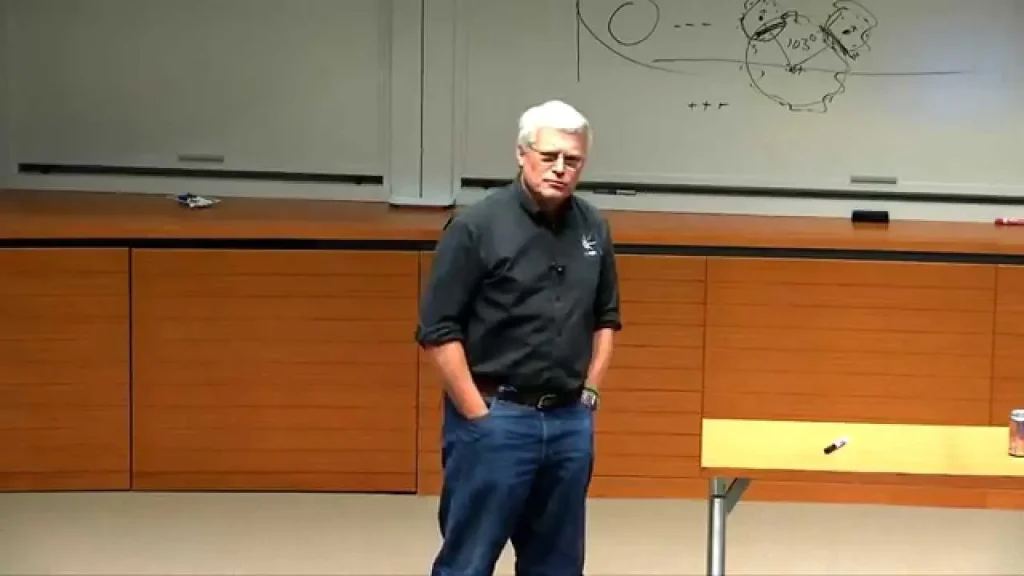
Robert C. Martin began his programming career in the late 1960s, having experienced multiple phases of the software industry – from early programming under severe hardware constraints to the rise of object-oriented programming, Agile, and modern software development methodologies. This extensive experience ensures that his viewpoints are not purely theoretical but are grounded in real-world practice, shaped by both successes and failures across numerous software projects.
A major milestone in Robert C. Martin’s career was his role as a co-author of the Agile Manifesto in 2001. This document marked a turning point in how the software industry approached product development, emphasizing adaptability, collaboration, and continuous feedback over rigid processes. However, unlike many simplified interpretations of Agile that emerged later, Martin has consistently emphasized that Agile does not mean improvisation or lack of discipline; rather, it demands an even higher level of professionalism and personal responsibility.
Prior to The Clean Coder, Robert C. Martin gained widespread recognition through influential works such as Clean Code (2008), Agile Software Development: Principles, Patterns, and Practices (2002), and later Clean Architecture (2017). These books form a coherent intellectual system centered on software quality, with Clean Code focusing on source code quality and Clean Architecture addressing system structure and long-term sustainability.
Within this system, The Clean Coder: A Code of Conduct for Professional Programmers occupies a distinctive position. If Clean Code answers the question “what is good code,” then The Clean Coder goes deeper by shifting the focus to the human level: “what does it mean to be a professional programmer.” The book moves the emphasis from technical tools to professional ethics and work attitudes, filling a crucial gap often left by purely technical literature.
First published in 2011, The Clean Coder appeared at a time when the software industry was facing increasing challenges: growing time pressure, rising system complexity, and ever-higher user expectations. In this environment, Robert C. Martin argued that the lack of clear professional standards was a root cause of technical debt, poor quality, and project failure. The book therefore functions not merely as a collection of advice, but as a manifesto on the personal responsibility of programmers toward their work.
Through The Clean Coder: A Code of Conduct for Professional Programmers, Robert C. Martin affirms that programming is a profession requiring discipline, honor, and long-term commitment, comparable to other established professional fields. This perspective has helped reshape how the community views the role of programmers – not merely as technical implementers, but as individuals directly responsible for the quality and sustainability of software systems.
2. The Clean Coder: A Code of Conduct for Professional Programmers
2.1. The Central Problem Addressed by the Book
The Clean Coder: A Code of Conduct for Professional Programmers does not approach programming from a purely technical perspective, but instead focuses on a foundational question: what truly defines a professional programmer? According to Robert C. Martin, most problems in software development – from poor quality and delayed projects to long – standing technical debt – do not originate from technology itself, but from human attitudes, behaviors, and decision-making processes.
The book therefore aims to construct a “code of conduct” for programmers, encompassing personal responsibility, professional discipline, workplace communication, and the minimum technical practices required to ensure quality. The Clean Coder treats programming as a serious profession, in which each individual must take full responsibility for the products they create, rather than blaming circumstances, schedule pressure, or managerial demands.
2.2. Overall Structure of the Book
In terms of structure, The Clean Coder: A Code of Conduct for Professional Programmers is divided into multiple short chapters, each addressing a specific aspect of professionalism in programming. These chapters are not isolated, but are tightly interconnected, forming a coherent system of thought centered on the programmer’s role and responsibilities.
The book’s content can be broadly summarized along four main axes: personal responsibility, professional discipline and commitment, core technical practices, and communication and collaboration in the workplace.
2.3. Personal Responsibility and Accountability
One of the central themes running throughout The Clean Coder is the concept of personal responsibility. Robert C. Martin argues that professional programmers must take full responsibility for the code they write, including any defects that arise during operation. Excuses such as “lack of time,” “constantly changing requirements,” or “pressure from management” cannot justify poor quality.
The book clearly analyzes the programmer’s responsibilities in activities such as coding, testing, bug fixing, and system maintenance. According to the author, failing to write adequate tests or deploying code that is not ready for production is a sign of unprofessional behavior, as it shifts risk onto teammates, clients, and end users.
2.4. Professional Discipline and the Ability to Say “No”
Another key theme in The Clean Coder: A Code of Conduct for Professional Programmers is professional discipline, particularly under deadline pressure. Robert C. Martin emphasizes that professional programmers must estimate work honestly and be willing to say “no” to unrealistic commitments.
The book offers an in-depth analysis of time estimation, arguing that unfounded commitments harm not only individual programmers but also erode trust within the entire team. According to the author, professionalism is demonstrated by the ability to protect product quality even when facing pressure from managers or clients.
2.5. Technical Practices as Professional Obligations
Although it is not a technical manual, The Clean Coder devotes significant attention to essential technical practices. Robert C. Martin regards practices such as Test-Driven Development (TDD), continuous refactoring, version control, and automated testing as professional obligations rather than optional choices.
According to the book, these practices not only improve code quality but also serve as tools that allow programmers to uphold their professional commitments. Skipping testing or refactoring under the pretext of “saving time” is portrayed as a short-term trade-off that causes long-term damage to the system.
2.6. Communication, Collaboration, and Teamwork
Another notable aspect of The Clean Coder is its strong emphasis on communication and collaboration. Robert C. Martin argues that programmers do not work in isolation, but are always part of an ecosystem that includes teammates, managers, and clients. Clear, transparent, and responsible communication is therefore an essential component of professionalism.
The book examines common scenarios such as technical debates, disagreements within teams, working with non-technical managers, and handling pressure from clients. In all cases, professional programmers are expected to maintain technical integrity while communicating in a constructive and cooperative manner.
2.7. Continuous Learning and Long-Term Development
In its concluding sections, The Clean Coder: A Code of Conduct for Professional Programmers asserts that continuous learning is a mandatory responsibility for programmers. Technology evolves rapidly, and failing to proactively update one’s knowledge ultimately results in the loss of professional competence.
Robert C. Martin argues that professional programmers must invest personal time in self-study, exploring new technologies, reading professional literature, and honing their thinking skills. This is not an organizational requirement, but a responsibility inherent to the profession itself.
3. Value, Role, and Influence of The Clean Coder

3.1. Core Value: Redefining “Professionalism” in Programming
The greatest value of The Clean Coder: A Code of Conduct for Professional Programmers lies in its systematic and rigorous redefinition of professionalism in programming. Rather than equating professionalism solely with technical expertise or the ability to solve complex problems, the book places emphasis on work ethic, personal responsibility, and individual discipline.
Robert C. Martin contends that poor-quality software is not an inevitable consequence of complex technology, but the result of irresponsible choices during development. By clearly illustrating the direct link between programmer behavior and product quality, The Clean Coder offers a form of intellectual value that transcends short-lived technological trends.
3.2. Guiding Long-Term Professional Mindset
Within the ecosystem of software engineering literature, The Clean Coder functions as a guide for long-term professional thinking, particularly for those who view programming as a lifelong career. Rather than focusing on “how to code faster,” the book asks a deeper question: “how to practice the profession correctly.”
This role is evident in how the book encourages programmers to view their work as a long-term commitment to quality, rather than a series of short-term tasks. The Clean Coder helps readers develop personal standards for technical decision-making, time management, team communication, and accountability for the consequences of their code.
3.3. Relationship and Complementarity with Clean Code and Other Works
A key factor that distinguishes The Clean Coder is its position within Robert C. Martin’s coherent body of work. If Clean Code focuses on the question “what is clean code,” then The Clean Coder expands the discussion to the human level: “who is qualified and responsible for writing clean code.”
The two books are not separate, but directly complementary. Clean Code provides technical standards, while The Clean Coder provides ethical and behavioral standards. Together, they form a holistic approach to software quality, in which people and technology are inseparable.
3.4. Influence on Software Development Culture
The influence of The Clean Coder extends beyond individual programmers to the culture of software teams and organizations. The book provides a shared vocabulary for discussing responsibility, discipline, and professional standards, thereby supporting the creation of more transparent and accountable work environments.
Many concepts from The Clean Coder, such as saying “no” to unrealistic commitments or treating testing as a mandatory obligation, have become foundational principles in building healthy workflows within Agile and Scrum teams. The book helps correct common misconceptions about Agile, emphasizing that flexibility does not mean disorder, but requires even greater discipline at the individual level.
3.5. What Makes the Book Distinctive
Compared to many programming books, The Clean Coder: A Code of Conduct for Professional Programmers stands out because it does not offer “quick success formulas.” Instead, it challenges readers to confront difficult questions about personal responsibility, professional honor, and the long-term consequences of technical decisions.
Its presentation style – based on real-world scenarios, mistakes, and career lessons – gives the content strong persuasive power while avoiding dogmatism. This approach ensures that The Clean Coder does not become obsolete over time, as the principles it addresses are universal and applicable across diverse contexts within the software industry.
3.6. Enduring Value Beyond Technological Change
In a field characterized by constant technological change, the enduring value of The Clean Coder lies in its focus on people rather than tools. The principles of responsibility, discipline, communication, and continuous learning articulated in the book remain relevant regardless of shifts in programming languages or development frameworks.
As a result, The Clean Coder: A Code of Conduct for Professional Programmers is not merely a book to be read once, but a reference that programmers can return to throughout their careers, each reading offering new insights appropriate to different stages of professional growth.
4. Who Is The Clean Coder For?
One notable aspect of The Clean Coder is that its intended audience is not limited to a specific technical level or job position. Instead, the book approaches programming as a profession with a long-term developmental trajectory, from the formation of foundational thinking to leadership and organizational responsibility.
4.1. Students and Newcomers to the IT Industry
For computer science students and those just beginning their programming careers, The Clean Coder: A Code of Conduct for Professional Programmers serves as an important guide to professional orientation. The book helps readers understand that programming is not merely about learning languages, algorithms, or tools, but about developing the right professional attitude from the outset.
By emphasizing principles such as personal responsibility, discipline, and commitment to quality, The Clean Coder helps newcomers avoid common misconceptions – for example, treating deadlines as a legitimate excuse to skip testing or undervalue code quality. Early exposure to these professional standards provides a solid foundation for long-term career development.
4.2. Junior and Mid-Level Programmers Developing Their Careers
For junior and mid-level programmers, The Clean Coder is particularly relevant during the transition from “completing tasks” to “being responsible for outcomes.” The book helps readers recognize that professionalism is measured not only by whether code works, but also by how work is estimated, how communication is handled, and how pressure is managed within projects.
Many topics in The Clean Coder: A Code of Conduct for Professional Programmers directly reflect challenges commonly faced at this stage, such as overcommitting, lacking confidence to say “no,” or accepting quality trade – offs to meet short-term demands. The book provides a framework for adjusting professional behavior toward a more sustainable and responsible approach.
4.3. Senior Programmers, Tech Leads, and Engineering Managers
For senior programmers, tech leads, and engineering managers, The Clean Coder is not merely a book to read, but a tool for building and disseminating professional standards within teams. The principles of responsibility, discipline, and communication presented in the book can serve as a foundation for establishing a professional and transparent team culture.
The book helps leaders better understand the connection between individual programmer behavior and overall product quality. As such, The Clean Coder: A Code of Conduct for Professional Programmers becomes a valuable reference for training, mentoring, and evaluating professional competence within software development teams.
4.4. Professionals Working in Agile and Modern Development Environments
The Clean Coder is especially well-suited for those working in Agile, Scrum, or other modern development methodologies. The book clarifies a frequently misunderstood point: Agile does not mean a lack of discipline or arbitrary work practices.
Robert C. Martin emphasizes that Agile requires an even higher level of professionalism and personal responsibility, as technical decisions are made rapidly and have immediate system-wide impact. For teams struggling to balance speed and quality, The Clean Coder offers a perspective that helps recalibrate workflows toward healthier and more sustainable practices.
4.5. Those Who View Programming as a Long-Term Profession
Ultimately, The Clean Coder: A Code of Conduct for Professional Programmers is most suitable for individuals who regard programming as a serious, long-term profession rather than a temporary job. The book raises questions about professional honor, social responsibility, and commitment to quality – issues that truly matter only when one intends to remain in the software industry over the long term.
For this audience, The Clean Coder provides not only knowledge, but also a standard against which programmers can continually reflect on and refine their professional behavior throughout different stages of their careers.
5. Conclusion
The Clean Coder: A Code of Conduct for Professional Programmers is neither a technical manual nor a presentation of emerging technologies; rather, it is a work that establishes foundational standards for the programming profession in an era where software increasingly shapes modern society. By emphasizing personal responsibility, professional discipline, communication, and essential technical practices, the book demonstrates that software quality is fundamentally a product of human judgment and behavior, rather than merely the outcome of tools or processes.
Through a consistent approach grounded in real-world experience, Robert C. Martin constructs a “code of conduct” that helps programmers develop a professional, sustainable, and responsible way of working. The Clean Coder shows that professionalism cannot be formed overnight, but emerges from continuous practice, in which every technical decision is tied to a commitment to quality and awareness of its long-term consequences.
In a field characterized by rapid technological change, the lasting value of The Clean Coder: A Code of Conduct for Professional Programmers lies in its focus on principles that do not become obsolete over time. The standards of responsibility, discipline, and continuous learning articulated in the book remain relevant regardless of changes in programming languages or development models.
Taken as a whole, The Clean Coder is not only a valuable reference for programmers at all levels, but also a foundational work that elevates programming from a technical skill to a profession defined by standards, honor, and clear social value.
6. References
[1] R. C. Martin, The Clean Coder: A Code of Conduct for Professional Programmers. Upper Saddle River, NJ, USA: Prentice Hall, 2011.
[2] R. C. Martin, Clean Code: A Handbook of Agile Software Craftsmanship. Upper Saddle River, NJ, USA: Prentice Hall, 2008.
[3] R. C. Martin, Clean Architecture: A Craftsman’s Guide to Software Structure and Design. Boston, MA, USA: Pearson Education, 2017.
[4] S. McConnell, Code Complete: A Practical Handbook of Software Construction, 2nd ed. Redmond, WA, USA: Microsoft Press, 2004.
[5] A. Hunt and D. Thomas, The Pragmatic Programmer: Your Journey to Mastery, 20th Anniversary ed. Boston, MA, USA: Addison-Wesley, 2019.
[6] E. Gamma, R. Helm, R. Johnson, and J. Vlissides, Design Patterns: Elements of Reusable Object-Oriented Software. Reading, MA, USA: Addison-Wesley, 1994.
[7] K. Beck et al., “Manifesto for Agile Software Development,” 2001. [Online]. Available: https://agilemanifesto.org
[8] F. P. Brooks, Jr., The Mythical Man-Month: Essays on Software Engineering, Anniversary ed. Boston, MA, USA: Addison-Wesley, 1995.
[9] T. DeMarco and T. Lister, Peopleware: Productive Projects and Teams, 3rd ed. Boston, MA, USA: Addison-Wesley, 2013.
[10] M. Fowler, Refactoring: Improving the Design of Existing Code, 2nd ed. Boston, MA, USA: Addison-Wesley, 2018.