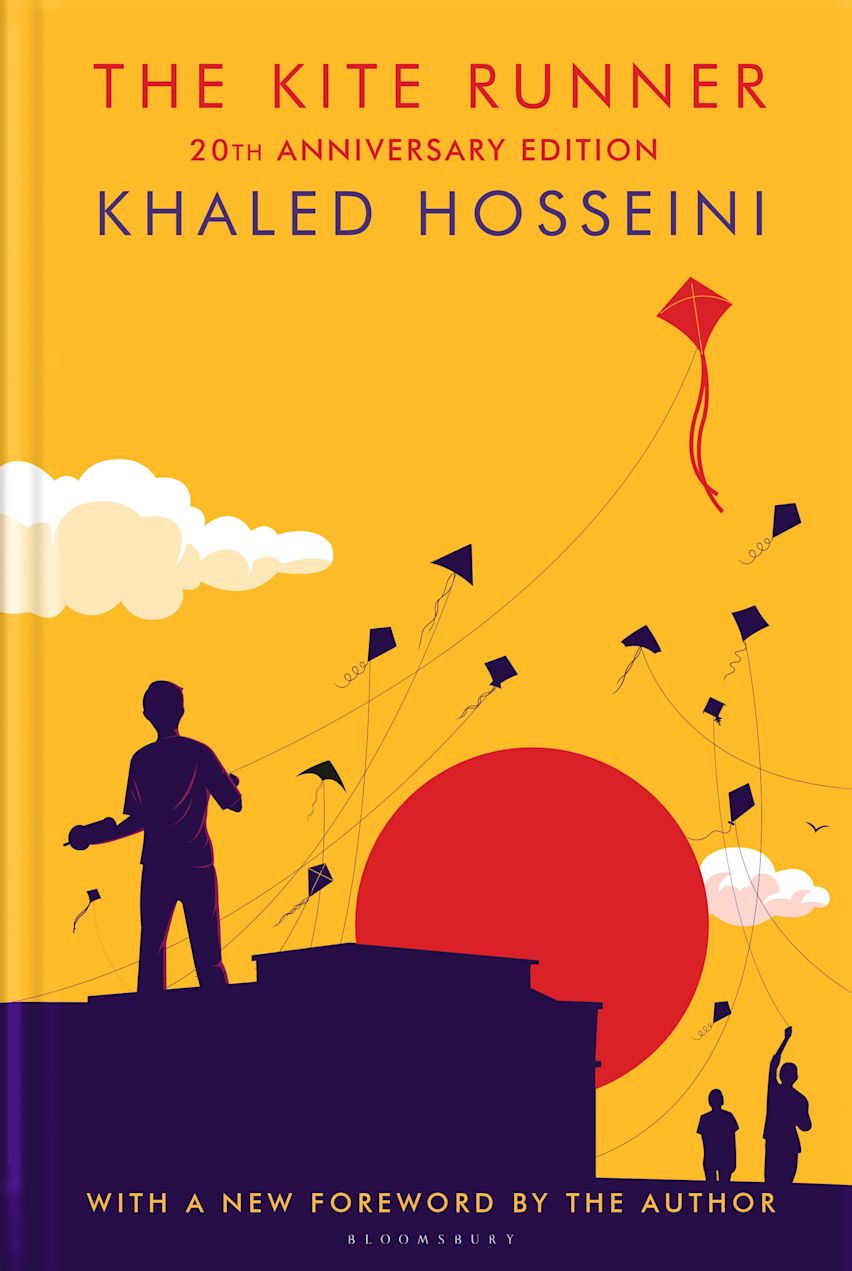
In the modern world, as people grow increasingly accustomed to fast-paced living and pragmatic choices, literature continues to serve as a slower, reflective space where individuals are compelled to pause and confront themselves. There are books that do not merely tell a story, but open up an inner journey, leading readers through painful memories, unavoidable moral questions, and the fragile boundaries of human nature. The Kite Runner by Khaled Hosseini is such a work.
Emerging at a time when the world had begun to pay closer attention to the Middle East and Afghanistan after prolonged political and military upheavals, The Kite Runner does not approach reality through a journalistic or argumentative tone. Instead, the novel chooses a quieter path: telling a story of childhood, friendship, and the silent fractures within the human soul. From relationships that appear deeply personal, Khaled Hosseini constructs a broader portrait of society, history, and the fate of a nation worn down by war.
At the heart of The Kite Runner lies the question of moral responsibility: who does a person become when faced with evil, and can a mistake from the past ever be redeemed? The novel does not seek to provide simple answers, but allows readers to confront the protagonist’s remorse, regret, and longing to “become good again.” It is precisely this honesty in portraying profoundly human weaknesses that enables The Kite Runner to transcend the boundaries of a personal story and become a work of enduring humanistic value.
1. Introduction to the Author and the Work
Khaled Hosseini is one of the prominent figures in contemporary literature writing about human fate in contexts of exile, war, and cultural disintegration. He was born in 1965 in Kabul, Afghanistan, into an intellectual family: his father was a diplomat and his mother a high school teacher. Hosseini’s childhood was closely tied to a relatively peaceful Afghanistan, where traditional values, communal life, and local culture were still vividly present in everyday existence.

A major turning point in Hosseini’s life came in the late 1970s, when his family was forced to leave Afghanistan due to political upheaval. They sought asylum and settled in the United States, beginning a completely new life as people who had lost their homeland. This experience of exile not only shaped Hosseini’s personal identity, but also became an underlying current throughout his later literary works. Although trained and employed as a physician for many years, Hosseini ultimately chose literature as a means to return to dialogue with his past and his roots.
The Kite Runner, published in 2003, is Khaled Hosseini’s debut novel and the work that brought his name to global readership. The book quickly gained widespread acclaim, not only for its dramatic plot, but also for its humane approach to sensitive issues such as ethnic discrimination, violence, war, and individual moral responsibility. The success of The Kite Runner paved the way for Hosseini’s subsequent novels, including A Thousand Splendid Suns and And the Mountains Echoed, forming a consistent body of work about individuals swept along by the currents of history.
In terms of genre, The Kite Runner is a realist novel with autobiographical undertones, in which fictional elements are grounded in personal experience and the collective memory of the Afghan people. Hosseini does not write as an external observer, but as someone intimately involved, carrying the lingering guilt of one who left and a sense of indebtedness to the homeland left behind. This “in-between” position – between East and West, past and present – creates the distinctive tone of The Kite Runner: both intimate and heavily contemplative.
Beyond recounting the story of a single individual, The Kite Runner is also regarded as one of the works that helped move Afghanistan beyond rigid war-centered stereotypes in international media. Through family life, friendship, and inner conflict, Khaled Hosseini introduces a multidimensional Afghanistan to the world: a land of cultural beauty and human warmth, yet deeply scarred by historical wounds and social injustice. This foundation is central to the novel’s lasting resonance with readers.
2. Summary of the Plot
The Kite Runner is narrated in the first person through the memories of the protagonist, Amir, opening with a haunting recollection that follows him throughout his life. From the present, Amir looks back on his childhood in Kabul, Afghanistan – where events long past continue to silently shape his character and choices.
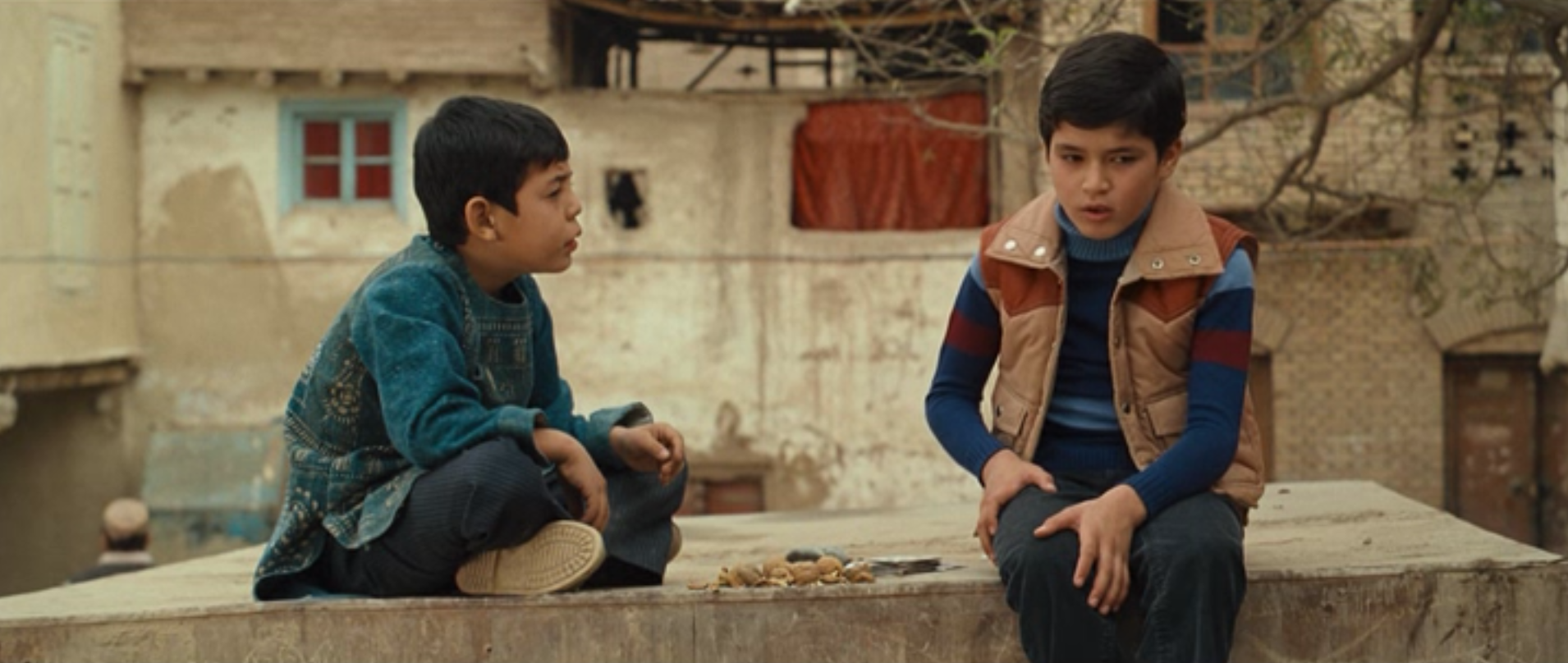
Amir is born into a wealthy family, living with a powerful and respected father. His mother dies during childbirth, leaving an invisible distance between father and son. Meanwhile, Hassan, the son of the household servant, becomes Amir’s closest childhood companion. The two boys grow up together, reading stories and roaming the streets of Kabul, yet their relationship is marked from the outset by social inequality: Amir is a Pashtun from the dominant class, while Hassan is a Hazara, belonging to a marginalized ethnic group.
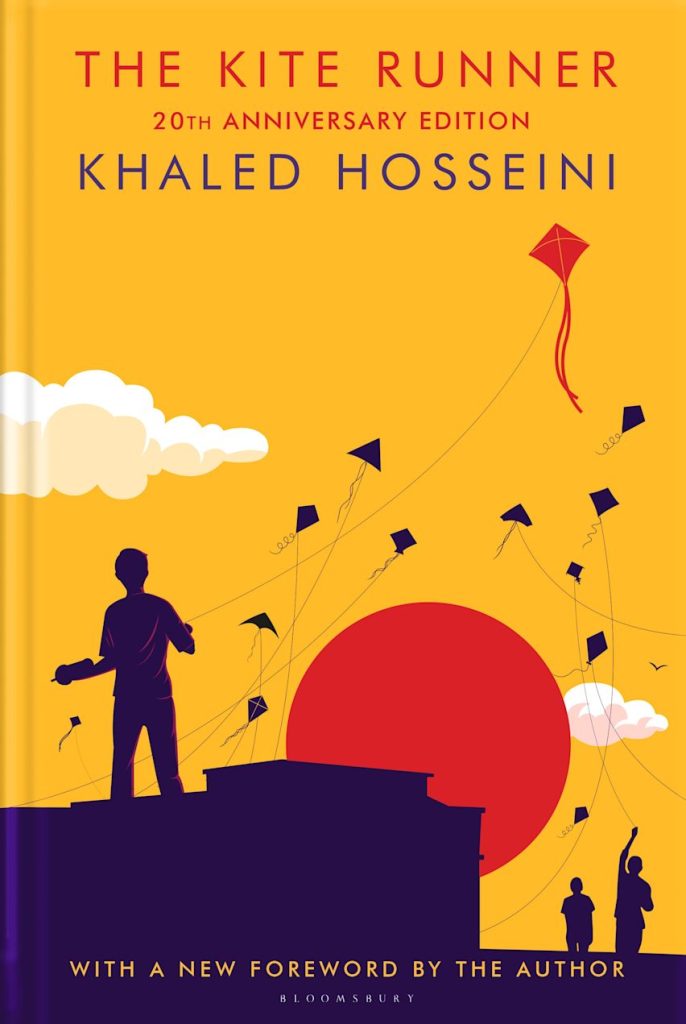
Their bond reaches its peak during the winter kite-fighting tournament, an important cultural event for Afghan children. For Amir, winning the competition is not merely childhood joy, but a chance to earn his father’s approval – something he desperately seeks. Amir wins, and Hassan runs to retrieve the final kite for him, a powerful symbol of unwavering loyalty.
Tragedy strikes soon after. Hassan is assaulted by Assef, a brutal youth driven by ethnic hatred. Amir witnesses the entire incident but chooses silence, failing to intervene out of fear and a desire to preserve the prize that might secure his father’s recognition. This moment becomes the novel’s most critical moral turning point, marking the collapse of their friendship and the formation of a lifelong burden of guilt for Amir.
Lacking the courage to confess, Amir attempts to remove Hassan from his life by falsely accusing him of theft. Although Hassan’s father knows the truth, he accepts their departure in order to protect Amir’s honor. This separation closes one chapter of childhood while opening an incurable psychological wound in Amir.
The historical context soon shifts dramatically. War breaks out in Afghanistan, the old regime collapses, and Amir and his father are forced to flee to the United States. There, they begin a difficult life in exile: once wealthy, they now survive as immigrants through manual labor. Amir’s father gradually declines and passes away, leaving Amir alone to confront an unresolved past.
In the United States, Amir grows up, pursues a career in writing, and starts a family. Yet success and stability do not free him from his haunting memories of Hassan. Years later, Amir receives a message from Rahim Khan, his father’s close friend, conveying that “there is a way to be good again.” This message compels Amir to return to Afghanistan, now devastated under Taliban rule.
In Kabul, Amir uncovers a long-hidden truth: Hassan was in fact his father’s illegitimate son, making him Amir’s half-brother. Hassan has been killed by the Taliban, leaving behind a son named Sohrab, who is being held by Assef – the same man who caused the original tragedy.
The mission to rescue Sohrab becomes Amir’s final moral trial. In a confrontation with Assef, Amir endures brutal punishment as a form of self-inflicted atonement, seeing it as the price for his past cowardice. Ultimately, Amir succeeds in bringing Sohrab out of Afghanistan and to the United States, though the outcome offers not complete redemption, but only a fragile possibility of healing.
The story concludes with the image of Amir running a kite for Sohrab – a symbolic reversal of the past. This act does not erase what has happened, but represents a belated human effort to confront and amend past wrongs.
3. Thematic and Artistic Values
In terms of content, The Kite Runner centers on individual moral responsibility within a society marked by injustice and upheaval. Khaled Hosseini does not frame the novel as a direct indictment of war or politics; instead, he approaches reality through personal choices, highlighting the relationship between action, silence, and their long-term consequences. Amir’s wrongdoing lies not in direct violence, but in indifference and cowardice – a form of “passive evil” common in human life. This aspect enables The Kite Runner to move beyond a localized story and assume universal significance.
One of the novel’s most striking thematic values is its portrayal of atonement not as easy redemption, but as a prolonged, painful, and never fully complete process. Hosseini does not grant his protagonist simple forgiveness; even when Amir acts to amend his mistakes, loss and trauma persist as inseparable parts of the past. Through this, the novel asserts that atonement does not erase guilt, but represents the effort to confront and take responsibility for it.
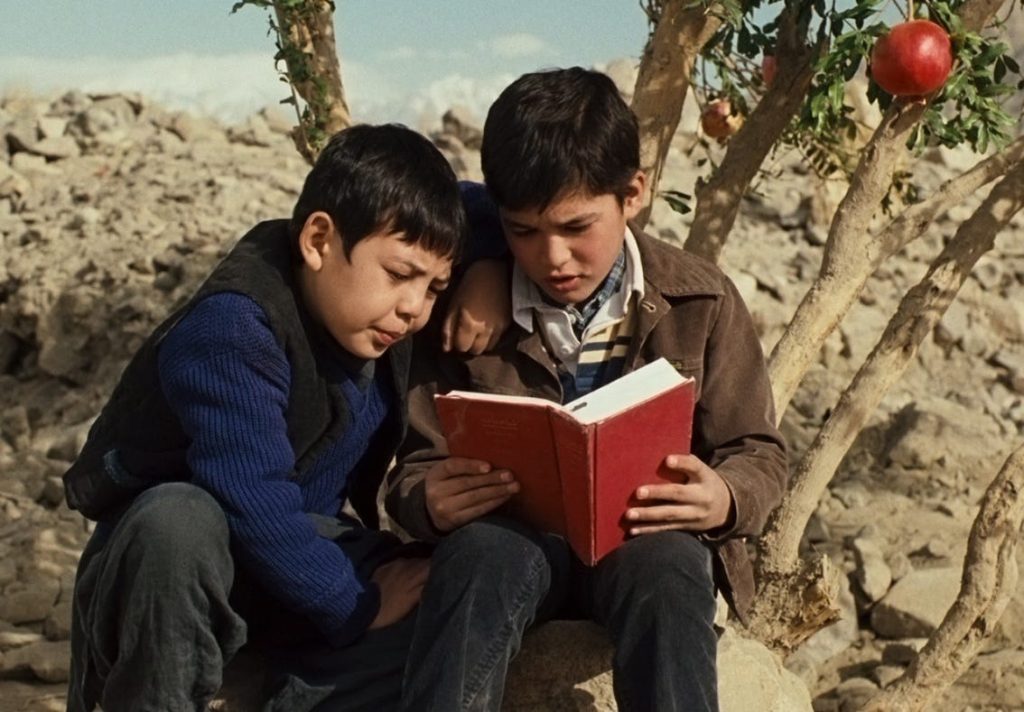
Alongside the personal narrative, The Kite Runner offers a profound depiction of Afghanistan’s social inequality through the relationship between Amir and Hassan. Differences in ethnicity and class are not merely background details, but forces that directly shape behavior, thought, and choice. Hassan is not only a victim of personal violence, but also of a social system that allows such violence to occur. By revealing Hassan’s true origins later in the story, Hosseini emphasizes the irrationality and cruelty of the social boundaries humans construct.
On a broader level, The Kite Runner illustrates the lasting impact of war on human life – not only through physical destruction, but through moral and psychological collapse. Afghanistan in the novel is not portrayed solely as a space of violence, but as a society that once possessed a rich cultural life before being gradually destroyed by historical turmoil. The contrast between peaceful childhood memories and the brutal reality under Taliban rule intensifies the sense of irreversible loss.
Artistically, Hosseini employs first-person narration combined with shifts between present and memory, making the protagonist’s moral self-examination the central axis of the novel. This narrative choice allows readers direct access to inner conflict while ensuring coherence between form and content: a story of atonement told from the consciousness of one burdened by guilt.
Another significant artistic element in The Kite Runner is the recurring symbol of the kite. The kite carries multiple layers of meaning throughout the novel: childhood joy, the desire for approval, the mark of guilt, and ultimately the possibility of reconciliation. This symbol evolves alongside the protagonist’s journey, contributing to a circular structure in which the ending reflects the beginning.
Hosseini’s language is generally restrained and unadorned, avoiding excessive stylistic display. This economy of expression lends credibility and weight to the novel’s tragedies. Rather than manipulating the reader’s emotions through overt dramatization, the author allows events themselves to reveal their moral significance. This artistic choice aligns with the novel’s overall spirit: quiet, haunting, and lingering in reflection.
In sum, the value of The Kite Runner lies not in sensational plot elements, but in its ability to confront readers with fundamental questions about conscience, responsibility, and the possibility of moral repair. The harmonious integration of thematic depth and restrained narrative form secures the novel’s enduring place in contemporary literature.
4. Memorable Quotations
Beyond its dramatic plot and intellectual depth, The Kite Runner leaves a strong impression through concise yet profoundly meaningful lines. These quotations not only reveal character traits, but also distill the novel’s central concerns, including guilt, silence, atonement, and the desire for renewal. The following lines are particularly representative of the work’s humanistic spirit.
1. “For you, a thousand times over.”
→ This iconic line embodies Hassan’s absolute loyalty, while simultaneously exposing the imbalance in his relationship with Amir, where sacrifice flows in only one direction.
2. “There is a way to be good again.”
→ This statement serves as the moral axis of the entire novel, not promising easy redemption, but opening a painful path of confrontation with the past.
3. “I just watched. I did nothing.”
→ This brief yet heavy confession illustrates that evil in The Kite Runner arises not only from action, but also from silence and indifference.
4. “The past cannot be buried, no matter how hard you try.”
→ This line reflects the novel’s central assertion that memory and guilt do not disappear, but wait for the moment to return.
5. “I became what I hated most.”
→ Amir’s realization marks a turning point in his moral awareness, revealing how cowardice leads to betrayal of one’s own values.
6. “Silence is a choice.”
→ This line affirms that moral responsibility extends beyond actions to include what individuals deliberately avoid doing.
7. “War doesn’t just destroy cities, it destroys people.”
→ Hosseini presents war not merely as historical backdrop, but as a force that deeply shapes human character and destiny.
8. “Redemption is never without pain.”
→ This quotation rejects the notion of easy forgiveness, emphasizing that atonement necessarily involves suffering and loss.
9. “Going back isn’t about returning to a place, but about facing what was left behind.”
→ This line encapsulates Amir’s journey, underscoring that return in The Kite Runner is, above all, an inner journey.
5. Conclusion
The Kite Runner is not a novel that offers easy comfort to its readers. Its greatest value lies in compelling individuals to confront fundamental questions of conscience, responsibility, and the possibility of correcting past wrongs. Through Amir’s story, Khaled Hosseini demonstrates that guilt arises not only from direct actions, but also from silence and indifference – choices that may appear invisible yet leave deep and lasting consequences.
On a broader scale, The Kite Runner transcends the framework of a personal narrative to become a deeply human portrait of Afghan society during periods of intense upheaval. The devastation wrought by war, ethnic injustice, and the collapse of moral values is not presented through abstract argument, but gradually absorbed into the lives of individual characters. This approach allows the novel to maintain both historical depth and universal resonance across cultures.
From an artistic perspective, The Kite Runner reveals the power of restrained storytelling, where emotion is not heightened through surface-level drama, but accumulated through small details and moments of inner reckoning. The recurring symbol of the kite – present from beginning to end – connects past and present, guilt and hope, forming a cohesive and meaningful structural arc. Taken as a whole, The Kite Runner is a work of enduring significance, not only because of the story it tells, but because of the questions it poses to readers. The novel reminds us that while the past cannot be changed, individuals can choose how to confront it. That capacity for choice – however belated and painful – constitutes the deepest humanistic foundation that Khaled Hosseini conveys through The Kite Runner.