In the rich flow of world literature, there are works that do not require great length, complex structures, or elaborate philosophical arguments, yet still possess the power to touch the deepest layers of human emotion and thought. The Last Leaf by O. Henry is one such work. With a concise plot, a handful of ordinary characters, and a simple artistic symbol, the story creates a deeply moving narrative about faith, life, and human compassion.
What makes The Last Leaf truly distinctive lies not only in its touching ending, but also in the way O. Henry portrays the inner world of human beings at the most fragile moments between life and death. In a small room occupied by impoverished artists in a New York neighborhood, life is measured by each breath, each falling leaf, and each faint glimmer of hope – seemingly insignificant, yet powerful enough to alter destiny. In this space, art is no longer a luxury but becomes a means of spiritual salvation; kindness is not ostentatious but exists as a quiet act with decisive impact.
Reading The Last Leaf, one is not only moved by the story of a leaf painted during a stormy night, but also comes to realize that it is often anonymous actions and fragile symbols that keep people tethered to life. The work therefore stands not merely as an emotional short story, but as a text rich in humanistic value – frequently taught, analyzed, and reread as a testament to the power of literature to nurture faith and awaken human conscience.
1. Introduction to the Author and the Work
O. Henry is the pen name of William Sydney Porter (1862–1910), a prominent short-story writer in early twentieth – century American literature. Born in North Carolina, he lived a life marked by many upheavals and held various professions, including pharmacist, bank clerk, and journalist, before fully dedicating himself to writing. These varied and turbulent life experiences provided essential material for O. Henry’s literary world, enabling him to create characters that are close to life, authentic, and rich in social realism.
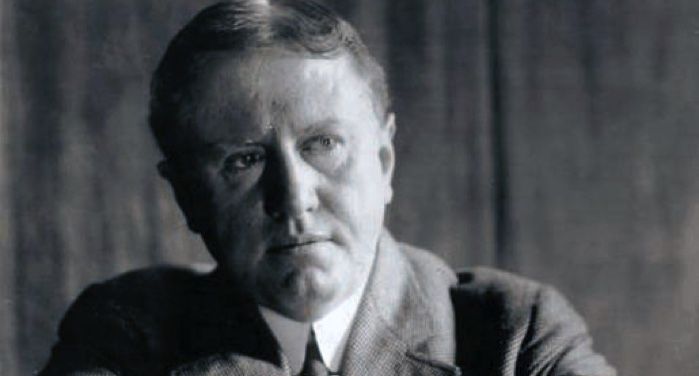
In American literary history, O. Henry is regarded as a “master of the modern short story,” particularly renowned for his ability to craft unexpected yet meaningful endings. However, the enduring value of his work lies not only in narrative technique, but also in his deep empathy for the marginalized figures of urban society: the poor, anonymous artists, and individuals living on the fringes of a rapidly industrializing America. His writing therefore carries the pulse of real life, combining realism with profound humanitarian spirit.
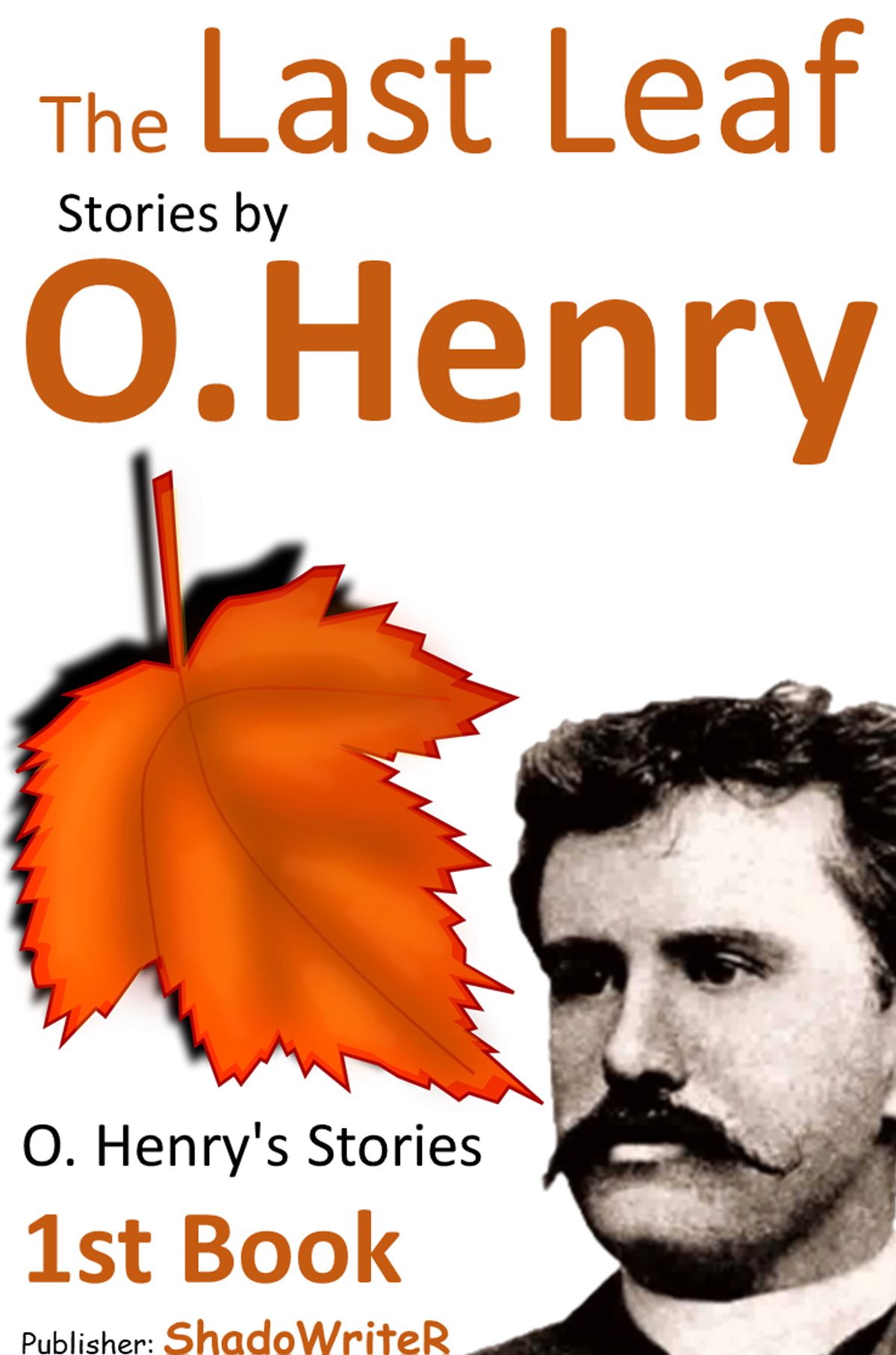
The Last Leaf is one of O. Henry’s most famous and beloved short stories, first published in 1907 in the collection The Trimmed Lamp and Other Stories. The work emerged during a period of rapid urbanization in early twentieth-century America, marked by widening social inequality and the precarious lives of poor artists and laborers. Greenwich Village – the primary setting of the story – is a real neighborhood in New York, historically home to many young painters and writers who lived in poverty while nurturing ambitious artistic dreams.
Unlike many of O. Henry’s other short stories that impress readers with sharp plot reversals at the end, The Last Leaf adopts a slow, restrained narrative pace, focusing on psychological depth and the weight of symbolic detail. This simplicity of storytelling makes the narrative accessible and intimate, while still conveying profound reflections on life, faith, and human compassion.
More than a century later, The Last Leaf continues to occupy an important place in O. Henry’s literary legacy and has become a classic of world literature. It is included in educational curricula across many countries, translated into numerous languages, and repeatedly reread as a representative example of humanistic literature – literature that guides people toward empathy, solidarity, and appreciation of enduring spiritual values.
2. Summary of the Plot of The Last Leaf
The Last Leaf is set in a small, impoverished yet artistically aspirational neighborhood in Greenwich Village, New York – a place where young painters struggle between creative dreams and harsh realities. In cramped rented rooms, two young female artists, Sue and Johnsy, live together, supporting each other while earning a living and pursuing unfinished artistic ambitions.
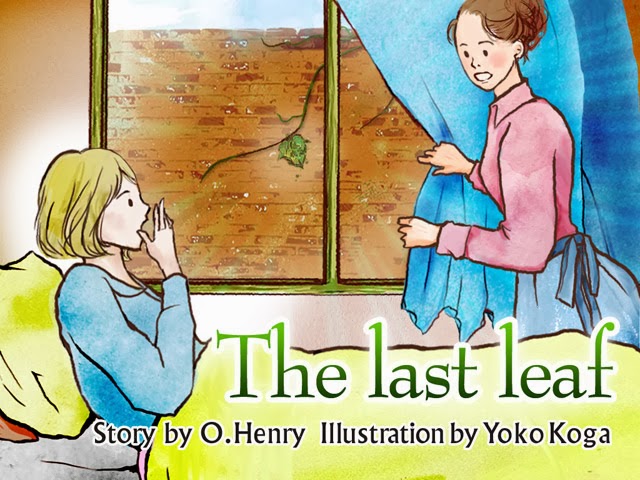
A turning point occurs when Johnsy contracts severe pneumonia during winter. In a time of limited medical knowledge, the illness not only weakens her physically but also rapidly drives her into psychological despair. Once a young woman full of aspirations, Johnsy gradually loses her will to live, sinking into helplessness and hopelessness. She no longer believes in her recovery and ceases to expect anything from the future.
Confined to her bed, Johnsy repeatedly gazes out of a small window at an old brick wall covered with ivy vines. As leaves fall one by one in the cold winter wind, they become an obsessive symbol in her mind. In her fragile mental state, she links her own fate to the ivy, believing that when the last leaf falls, her life will end as well. This vague yet persistent belief turns her psychological condition into a danger as serious as her physical illness.
Sue, Johnsy’s roommate and only source of support, confronts despair with patience and devotion. She works tirelessly to cover expenses, nurses her friend day and night, and tries every possible way to persuade Johnsy to abandon her fatalistic thoughts. Yet against a belief deeply rooted in despair, Sue’s encouragement proves insufficient.
Living in the same building is old Behrman, a poor, ill-tempered painter with a drinking habit. He has long dreamed of painting a “masterpiece” that would secure his artistic legacy, but has spent his life surviving on minor jobs and cheap illustrations. Though outwardly gruff, Behrman quietly cares for Sue and Johnsy like family.
When Sue tells Behrman about Johnsy’s dangerous fixation on the last leaf, he says little, but inwardly makes a decisive choice. On a stormy night, amid freezing rain and fierce winds, Behrman climbs the damp brick wall and paints an ivy leaf where the last real one has fallen. With carefully rendered veins and lifelike colors, the painted leaf withstands the storm.
The next morning, Johnsy is astonished to see that the leaf remains. Day after day, it does not fall as she had expected. The leaf’s apparent resilience gradually undermines her fatalistic belief, helping her realize her mistake in surrendering to fate. Her will to live returns, her spirit recovers, and her physical condition improves accordingly.
As Johnsy regains her health, Behrman falls gravely ill after the stormy night and dies of pneumonia a few days later. When the truth about the painted leaf is revealed, it becomes clear that it was the “masterpiece” Behrman had long dreamed of – a work never exhibited, never signed, yet one that saved a life through faith and compassion.
3. Highlights and Values of the Work
The enduring vitality of The Last Leaf lies foremost in its profound humanistic message concerning faith and the will to live. O. Henry does not approach life and death through abstract philosophy, but places them within an ordinary setting: a sick young woman, a small room, a window facing an old wall. In this confined and simple space, the boundary between life and death appears hauntingly fragile. The story shows that when faith is lost, life itself may lose meaning; conversely, even a small spiritual anchor can draw a person back from the brink.
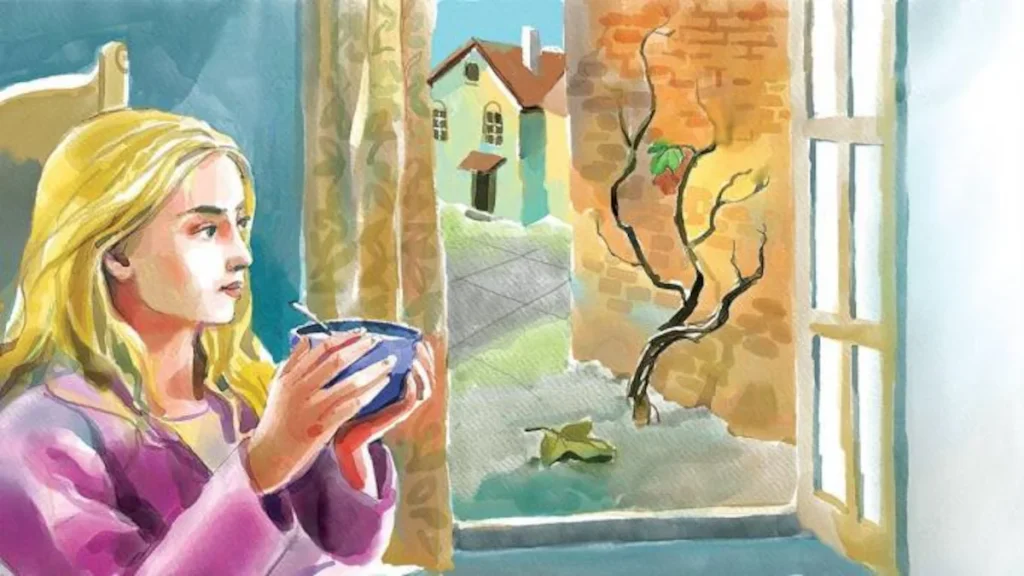
O. Henry emphasizes the decisive role of the human spirit in survival and recovery. Johnsy does not collapse solely because of illness, but because she relinquishes hope herself. By tying her fate to the falling ivy leaves, she surrenders agency over her own life. The Last Leaf thus conveys a crucial insight: sometimes, what destroys a person most quickly is not disease, but inner surrender.
Alongside its reflection on faith, the story highlights the redemptive power of art. The leaf Behrman paints is not merely a visual illusion; it is an ethical act of art, in which art transcends aesthetics to become a guardian of life. O. Henry presents a modern conception of art: its highest value lies not in fame or technique, but in its positive impact on human beings. Behrman’s “masterpiece” bears no signature and is never displayed, yet it alters a human destiny – thus embodying the purest form of art for humanity.
Behrman himself embodies the story’s deepest humanitarian value. After a lifetime of longing for a masterpiece, he creates one in the most silent and self – sacrificial manner. O. Henry does not idealize him as a heroic figure, but portrays him as deeply human – gruff, poor, and disillusioned. This ordinariness makes his sacrifice all the more convincing and moving, representing a form of altruism that seeks no recognition.
Artistically, The Last Leaf demonstrates refined symbolic construction. The ivy leaf functions both as a realistic detail and a multilayered symbol of endurance, hope, and spiritual strength. The image of the leaf that “does not fall” after the storm serves as a narrative turning point and leaves a lasting philosophical resonance about overcoming fate through faith and compassion.
O. Henry’s restrained narrative voice further enhances the work’s power. Avoiding melodrama, he allows emotion to arise naturally from the contrast between Behrman’s quiet death and Johnsy’s gradual recovery – a deliberate artistic choice that preserves the story’s depth and longevity.
Taken as a whole, The Last Leaf is not merely a touching short story, but a work rich in ideological and artistic value. It affirms faith in humanity, in selfless sacrifice, and in the enduring power of authentic art – simple values that remain essential in every era.
4. Memorable Quotations
One factor that leaves a lasting impression in The Last Leaf is O. Henry’s use of concise yet evocative sentences. The quotations are not overtly philosophical, but are embedded in concrete situations, allowing meaning to emerge naturally. This restraint gives each line a lingering resonance.
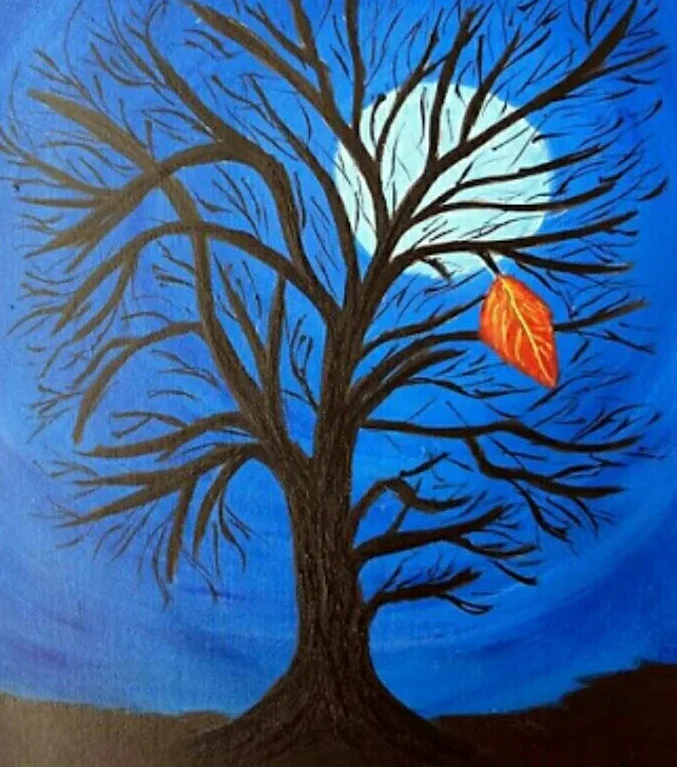
1. “When the last leaf falls, I shall go with it.”
→ This pivotal line reveals Johnsy’s utter despair, showing how a loss of faith can lead one to bind life to arbitrary natural signs.
2. “She counted the falling leaves as though they were the remaining days of her life.”
→ The act of counting leaves reflects an obsessive mindset, reducing life to a cold mechanical countdown.
3. “Pneumonia is not only a disease of the body, but also of the spirit.”
→ This line encapsulates the story’s central idea: the spirit is as vital as the body in the struggle for survival.
4. “Sue painted and fought the fear of losing her only friend at the same time.”
→ Sue emerges as a symbol of patience and devotion, embodying the strength of friendship under adversity.
5. “Behrman waited his whole life for a masterpiece, not knowing it would come in this way.”
→ The quotation suggests that true masterpieces may arise from compassion rather than ambition.
6. “The leaf was still there after the storm, cold and unmoving.”
→ The leaf’s endurance contrasts sharply with Johnsy’s earlier despair, reinforcing its symbolic power.
7. “Something in her heart felt ashamed of having wanted to die.”
→ This marks Johnsy’s inner awakening, as despair gives way to responsibility toward life.
8. “No one saw Behrman in the rain that night, just as no one knew what he had done.”
→ The line underscores the silent nature of sacrifice and moral beauty without recognition.
9. “It was the last leaf – and also the only masterpiece.”
→ This concluding paradox encapsulates the story’s artistic and humanistic essence: a death gives birth to life-saving art.
Taken together, these quotations serve as conceptual anchors, guiding readers toward a deeper understanding of the story’s humanistic core.
5. Conclusion
The Last Leaf stands as a powerful example of humanistic literature – proving that a work need not be long or dramatic to leave a lasting imprint on the reader’s consciousness. Through a simple story about impoverished individuals in a New York corner, O. Henry illuminates the fragile relationship between spirit and body, art and life, silent sacrifice and genuine human value.
What distinguishes the story is its refusal to impose emotion or interpretation. Meaning arises organically from the narrative, from the ivy leaf as a symbol, and from Behrman’s quiet act of devotion. This restraint allows The Last Leaf to avoid sentimentality while retaining profound intellectual and emotional depth.
From a personal perspective, The Last Leaf reveals its value not in a surprising ending, but in its steady, understated message: people can save one another not through grand gestures, but through timely care and sincere compassion. In an ever – changing modern world, the story of the leaf that never falls remains a gentle yet necessary reminder of faith in humanity and in enduring spiritual values.