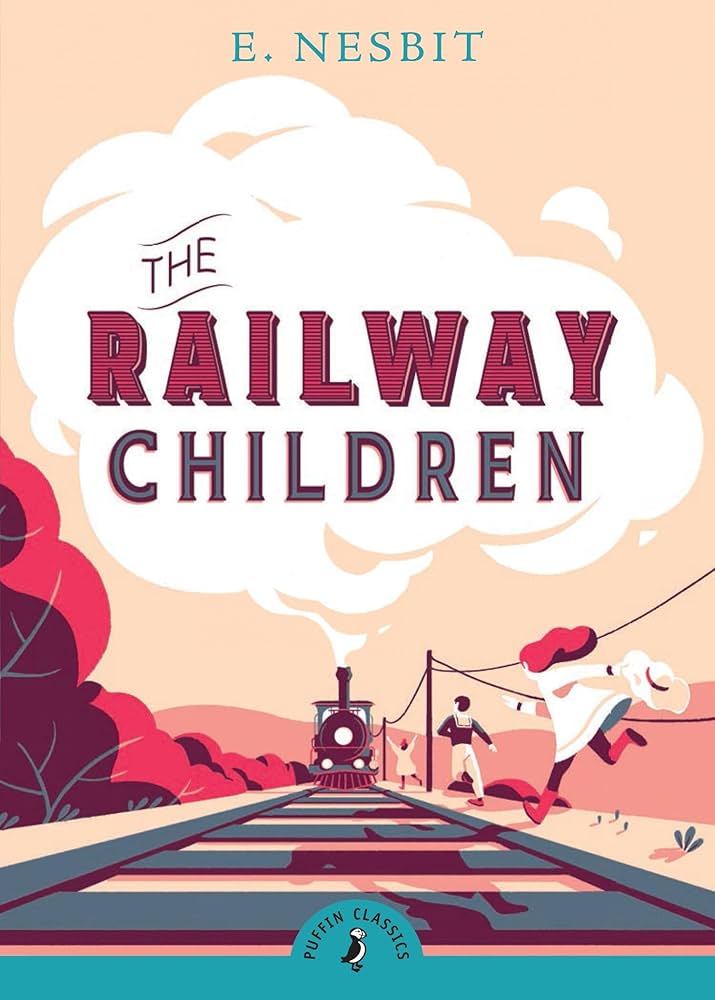
In the history of world children’s literature, there are works that do not rely on dramatic plots, intense conflicts, or overwhelming climaxes to touch the reader’s heart. Instead, they choose a different path -quieter yet more enduring – by telling small, ordinary stories through a warm, unhurried narrative voice and an unwavering belief in the goodness within human beings. The Railway Children is a representative work of this tradition.
The book opens before readers a world that is neither glamorous nor magical, devoid of fairy – tale wonders or fantastical adventures. There is only a modest house standing humbly beside a railway line, trains tirelessly coming and going like the steady breath of life, and three children with pure hearts gradually learning how to face loss, hardship, and growth amid sudden upheavals. It is precisely this simplicity and sincerity that give the story its lasting emotional power, allowing it to resonate not only with children but also with adults who pause to reflect. More than a century after its publication, the novel remains vibrantly alive, cherished as one of the most beloved children’s books in Britain and around the world – a testament to the enduring values of compassion and familial love.
1. Introduction to the Author and the Work
The author of The Railway Children is E. Nesbit, one of the most influential figures in British children’s literature at the turn of the late nineteenth and early twentieth centuries. She is not merely regarded as a writer for children, but as a pioneer who fundamentally transformed the way children are portrayed in literature – from passive, indistinct figures dependent on adults into vivid individuals with their own voices, independent thoughts, and rich inner lives.
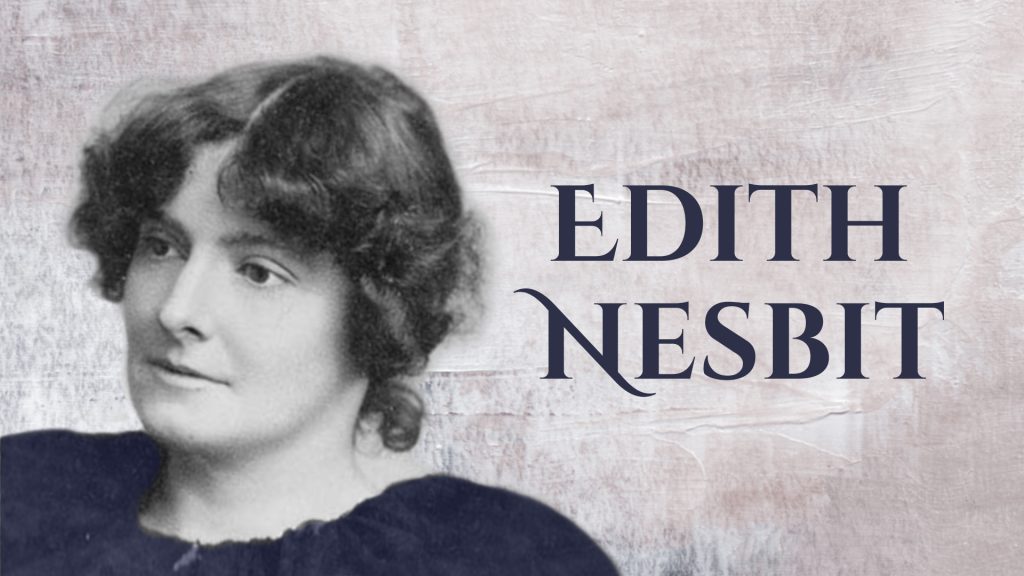
E. Nesbit possessed an exceptional ability to observe and understand the psychology of children. She neither idealized them as flawless angels nor viewed them through a didactic, adult – centered lens. The children in her works can be stubborn, impulsive, naïve, and prone to mistakes, yet it is precisely these traits that make them believable and deeply human. Through a natural, intimate narrative style, Nesbit places children in everyday situations, allowing their kindness, courage, and capacity for love to emerge organically.
First published in 1906, The Railway Children is one of the most representative works of Nesbit’s literary style. Unlike some of her other novels that incorporate elements of fantasy, this book relies entirely on realism, drawing its story from ordinary life and profoundly human experiences: loss, misunderstanding, poverty, and the longing for justice. This creative choice enables the novel to transcend the boundaries of conventional children’s literature and become a story of universal human value, resonating with generations of readers.
More than a century later, The Railway Children continues to be reprinted, included in reading curricula across many countries, and adapted into films and stage productions. Its lasting vitality attests not only to the enduring appeal of the story but also to the special place E. Nesbit holds – not merely as a children’s writer, but as a storyteller of humanity, guided by gentleness, empathy, and a profound belief in goodness.
2. Summary of the Plot
The Railway Children tells the story of three siblings – Roberta (commonly known as Bobbie), Peter, and Phyllis – who once enjoyed a peaceful childhood in a happy, middle – class family in London. Their lives revolved around the gentle care of a loving mother and the quiet presence of a devoted father. That tranquility is abruptly shattered one night when their father is taken away by the police without any clear explanation. The suddenness of the event leaves behind confusion, sorrow, and an unspoken void in the hearts of the children.
In an effort to shield her children from overwhelming emotional shock, their mother chooses silence. She does not reveal the truth but quietly arranges for the family to leave London and move to a small house in the countryside, situated beside a railway line. From this moment, a new chapter begins for the four of them – simpler and more difficult, yet opening a meaningful journey of growth for the children.
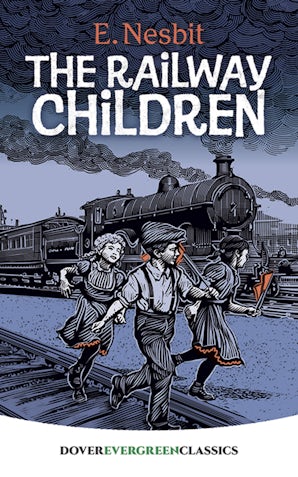
The house by the railway becomes the center of their new world. For Bobbie, Peter, and Phyllis, it is not merely a place to live, but a space in which to observe, explore, and connect with life around them. The trains that pass by each day, the rhythmic sound of the whistle, and the fleeting faces of strangers behind carriage windows gradually become familiar parts of their daily existence. Waving at passing trains becomes a habit – innocent and sincere – without the children realizing that these small gestures will later lead to important human connections.
In their new circumstances, the siblings are forced to mature more quickly than their peers. They become aware of their mother’s struggles as she works tirelessly as a writer to support the family, carefully managing every expense while striving to remain calm and gentle in front of her children. The absence of their father becomes a silent ache, filling them with longing and unanswered questions.
Alongside their everyday routines, the children experience a series of memorable encounters. They befriend kind railway workers, show compassion to an elderly man living in a tunnel, and most notably help a Russian exile who is misunderstood and unjustly treated. Through each encounter, the children learn to see the world with greater empathy, to listen before judging, and to recognize the humanity in others.
The story’s climax does not arise from dramatic confrontation, but from a quiet pursuit of truth. Bobbie, guided by her sensitivity and moral clarity, begins to suspect that her father has been wrongly accused. With sincerity and a child’s faith in justice, she writes a letter to a powerful official, explaining her family’s situation and her father’s innocence. This seemingly small act becomes a decisive turning point, leading to the revelation of the truth.
The novel concludes with an emotional reunion. The father returns, not amid grand triumph, but as a quiet affirmation that justice, even when delayed, still matters. The children are no longer the same as before; they have grown in silence, shaped by lessons of compassion, understanding, and faith in what is right. The house by the railway, with its endless trains coming and going, remains a lasting symbol of a difficult yet meaningful chapter in their lives – a place where childhood was tested and strengthened through kindness.
3. Thematic and Artistic Values
At its deepest level, The Railway Children is a work about the power of goodness in ordinary life. Without dramatic conflicts or tragic extremes, E. Nesbit adopts a restrained approach, allowing compassion, empathy, and justice to reveal themselves through small, everyday actions. This restraint is precisely what gives the novel its enduring thematic strength.
Foremost, the book possesses profound humanistic value by placing family at its center. This is not a perfect or wealthy family, but one bound together by love and quiet sacrifice amid injustice and hardship. The mother emerges as a pillar of emotional resilience – bearing the pain of separation, the burden of survival, and deep loneliness, yet striving to protect her children from despair. Through her, the novel honors the quiet strength of women: unassuming, steadfast, and deeply powerful.
Equally significant is the novel’s perspective on childhood. Nesbit does not depict children as fragile beings in constant need of protection, but as individuals actively forming their moral identities. Bobbie, Peter, and Phyllis may be naïve or impulsive, yet their innocence enables them to view the world with empathy. They stand with the vulnerable, believe in justice, and act with moral courage even when adults hesitate. The novel thus affirms that children, when trusted and respected, possess remarkable ethical capacity.
Another essential value is the novel’s faith in truth and justice. Justice here does not emerge through theatrical trials or displays of authority, but through a sincere letter written by a child. Nesbit places her faith not in power, but in conscience. Justice may arrive late, but it is never meaningless; it heals both those who have suffered and those who have waited in hope.
Artistically, the novel’s appeal lies foremost in its intimate, natural narrative voice. Nesbit does not lecture or moralize; instead, she speaks gently, allowing the story to unfold at the pace of daily life. Readers feel as though they are living alongside the characters rather than merely observing them. This simplicity creates emotional depth accessible to both children and adults.
Character construction is another strength. The characters are never exaggerated but deeply human. Each child possesses a distinct personality, complementing and reflecting the others. Even minor characters – railway workers, the Russian exile – are portrayed with dignity and respect, never reduced to mere narrative devices.
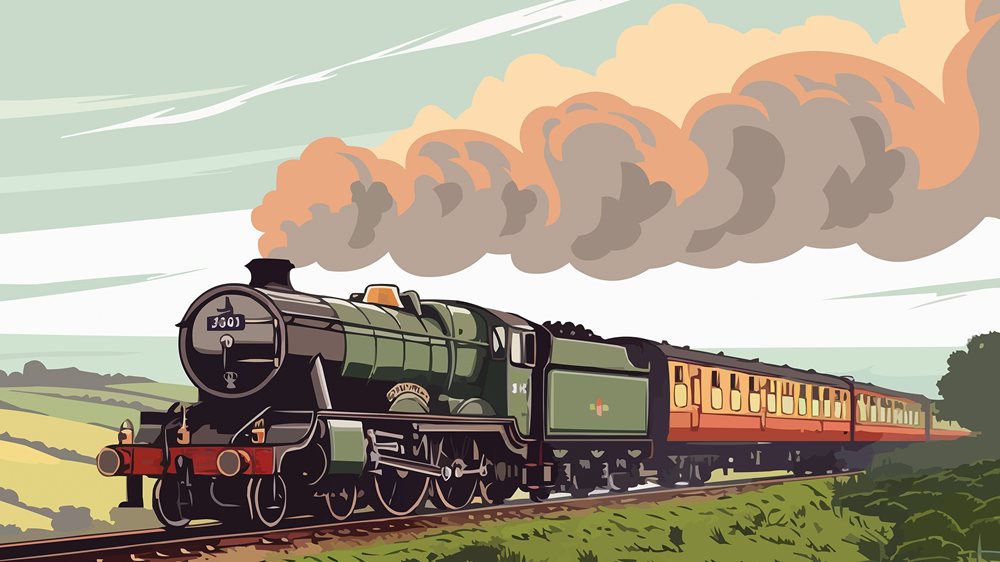
The railway itself functions as a powerful symbol. It marks the boundary between past and present, loss and hope, while also serving as a bridge between seemingly distant lives. The passing trains evoke the continuous flow of life – separation, waiting, and the ever-present possibility of reunion. Through this symbol, the story expands beyond a single family to address universal human experiences.
Ultimately, the value of The Railway Children lies not in novelty or drama, but in its profound humanity and narrative delicacy. The novel leaves readers not only remembering the story, but carrying with them a quiet warmth and a gentle belief that, even in an unjust world, kindness still has a place – if people are patient enough to trust it and brave enough to practice it.
4. Memorable Quotations
One of the enduring strengths of The Railway Children lies in its language – sentences that do not flaunt technique or seek dramatic effect, yet possess remarkable emotional resonance. These lines arise from ordinary life and the innocent thoughts of children, but within the narrative they acquire a quiet philosophical depth about humanity, family, and compassion.
Throughout the novel, E. Nesbit allows her characters to express seemingly simple truths, whose sincerity invites readers to slow down and reflect. The following quotations capture the novel’s humanistic spirit and warm narrative tone:
- “There are things adults choose not to say, not because they distrust children, but because they wish to protect them from pain too soon.”
- “Children often understand more than adults believe; they simply perceive the world differently.”
- “Kindness does not need to be grand or loud; sometimes it only needs to arrive at the right moment.”
- “A house may be small and poor, but if it holds love, it is the safest place in the world.”
- “Trains carry people, and every person carries a story of their own.”
- “When we take the time to listen, strangers can become familiar.”
- “Courage is not the absence of fear, but the choice to do what is right despite it.”
- “Shared sorrow grows lighter, and shared joy grows greater.”
- “Justice may come slowly, but it always matters to those who believe in it.”
- “Family is where people learn how to love and trust life.”
These lines may seem simple in isolation, yet within the story they serve as emotional anchors, illuminating the novel’s core message: faith in humanity, faith in kindness, and faith that even in the hardest moments, decency can still light the way forward.
5. Conclusion
Closing The Railway Children, what lingers is not a dramatic plot or explosive turning points, but a quiet, enduring warmth – like the echo of a train disappearing beyond the horizon. The novel does not seek immediate impact, yet the deeper one reads, the clearer the weight of simple values becomes: family love, compassion, and faith in justice.
Through the children’s journey beside the railway, E. Nesbit tells a profoundly human story about confronting loss and injustice without losing one’s kindness. The novel reminds us that goodness does not require grand gestures; it often begins with listening, understanding, and daring to believe in what is right, even when circumstances seem unkind. This quiet faith forms the narrative thread that carries the characters through their darkest moments.
For me personally, The Railway Children is a book that deserves to be read slowly – not to rush toward its ending, but to truly feel its spirit. It is a story for all ages: children may find comfort and recognition, while adults are invited to rediscover values once familiar but easily forgotten amid the haste of modern life. More than a century on, the novel continues to affirm a simple yet enduring truth: in a changing world, compassion and familial love remain humanity’s most reliable anchors.