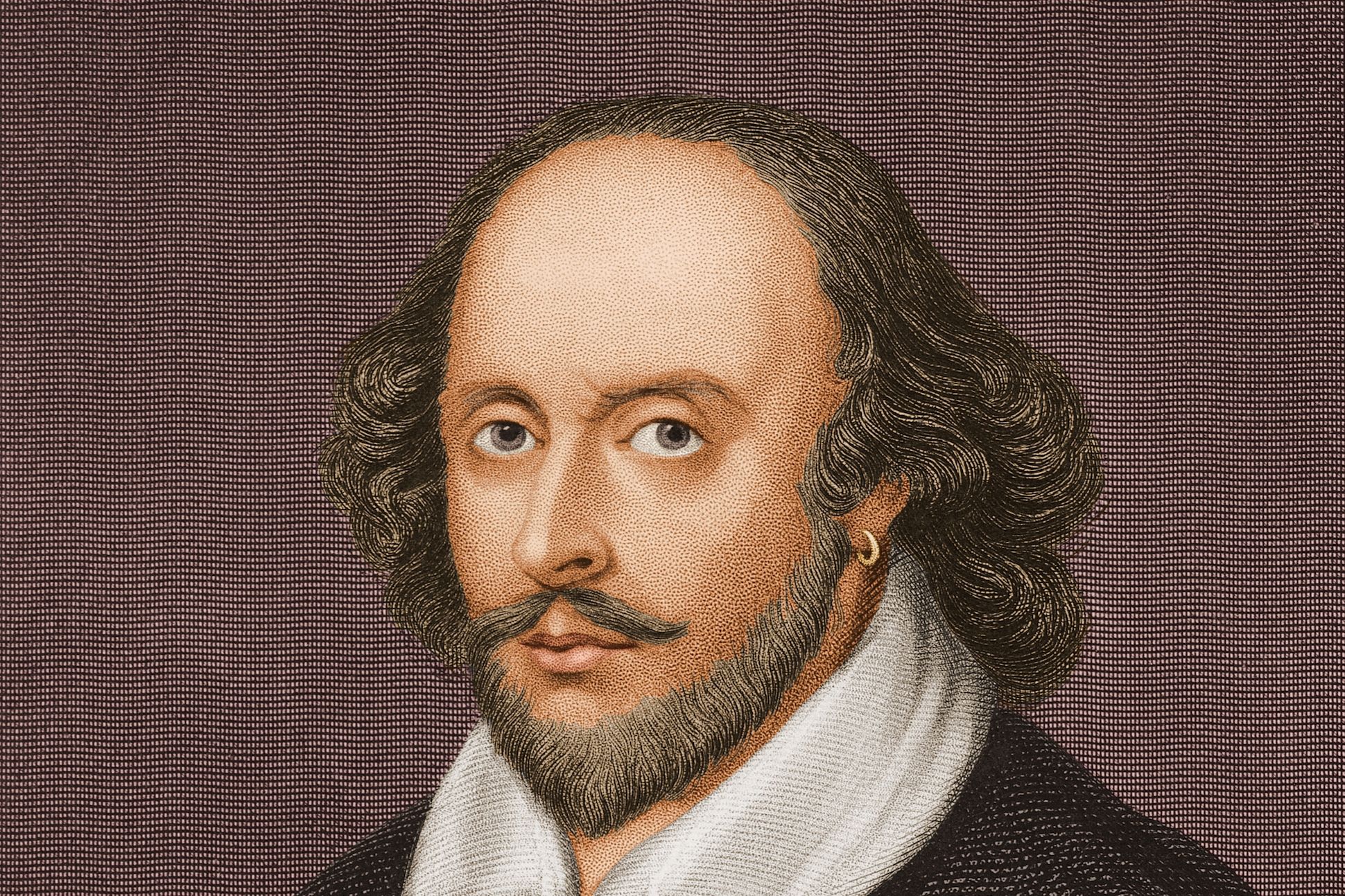
In the history of world literature, few names have transcended the boundaries of time, space, and language to become a truly global symbol like William Shakespeare. More than four centuries have passed since his death, yet his works continue to be read, studied, adapted, and performed across continents. Shakespeare is not only a source of pride for English literature but also one of the most important pillars of humanity’s cultural heritage.
With a vast body of work encompassing plays, poetry, and sonnets, William Shakespeare profoundly explored the fundamental concerns of human existence: love, power, ambition, jealousy, betrayal, loyalty, and the tragedy of fate. What he left behind is not merely a collection of literary works, but a lasting humanistic system of thought that continues to illuminate and engage in dialogue with modern society. Studying Shakespeare’s life and career, therefore, is not only of academic significance but also helps readers gain deeper insight into humanity and their own
1. A Brief Introduction to the Author
William Shakespeare was born in April 1564 in the town of Stratford-upon-Avon, Warwickshire, England – a peaceful area that nevertheless held an important place in the local economic and cultural life of the time. His exact date of birth is not definitively recorded; however, the baptismal record at Holy Trinity Church dated April 26, 1564, has led scholars to infer that Shakespeare was born on April 23, following common practice of the period. Notably, this is also the date of his death in 1616, a coincidence that carries symbolic significance in literary history.
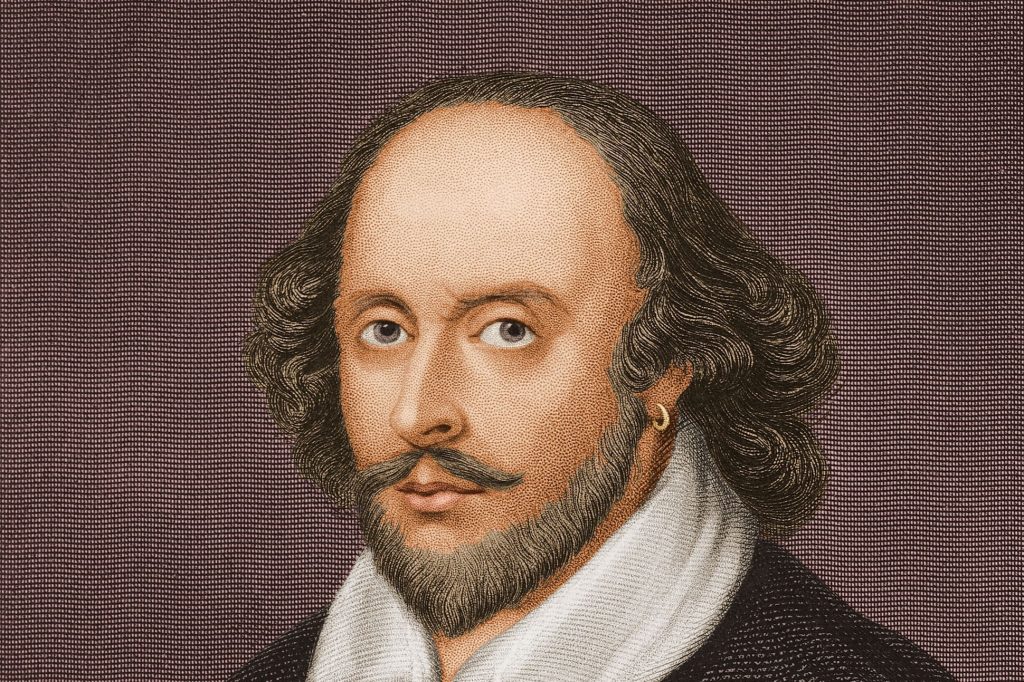
Shakespeare’s father, John Shakespeare, was a glove-maker and leather merchant who held several important positions in the town’s administration, including that of alderman and mayor. His mother, Mary Arden, came from a long-established family of landowners with a stable social standing. This family background enabled Shakespeare to receive a relatively solid education compared to many of his contemporaries and allowed him early exposure to social issues, law, and urban life – elements that later appeared frequently in his works.
William Shakespeare is believed to have attended the Stratford Grammar School, where he received rigorous training in Latin, classical Greek and Roman literature, rhetoric, and history. Authors such as Ovid, Virgil, Seneca, and Plautus are considered significant influences, shaping his later mastery of plot construction, dialogue, and characterization. Although there is no evidence that he attended university, the educational foundation provided by the grammar school, combined with his exceptional capacity for self-study, endowed Shakespeare with a breadth of knowledge that surpassed that of many of his peers.
In 1582, at the age of eighteen, Shakespeare married Anne Hathaway, who was eight years older than him. The marriage soon brought family responsibilities, as they had three children: Susanna and the twins Hamnet and Judith. After a period often referred to as the “lost years” of his biography, Shakespeare left Stratford for London in the late 1580s, marking a decisive turning point in his life. There, he began his career as an actor and quickly established himself as a playwright, laying the foundation for his rise as one of the greatest literary figures in world history.
2. Literary Career
William Shakespeare’s literary career spanned more than two decades, from the early 1590s until his withdrawal from the stage around 1613. This period coincided with the flourishing English Renaissance under the reigns of Queen Elizabeth I and King James I, when the theatre became a popular form of entertainment as well as a space for reflecting political, social, and intellectual life. Within this context, Shakespeare was not merely a participant but a central figure who helped shape the identity of English drama.
In the early stage of his career, Shakespeare primarily wrote history plays and comedies to meet the tastes of London audiences. Historical plays such as Henry VI (Parts 1–3) and Richard III vividly portray the political upheavals of medieval England, while also examining concepts of power, the legitimacy of monarchy, and the role of individuals in the flow of history. In comedy, works like The Comedy of Errors and The Taming of the Shrew demonstrate his talent for constructing dynamic stage situations, rhythmical dialogue, and humor based on misunderstanding, disguise, and gender conflict.
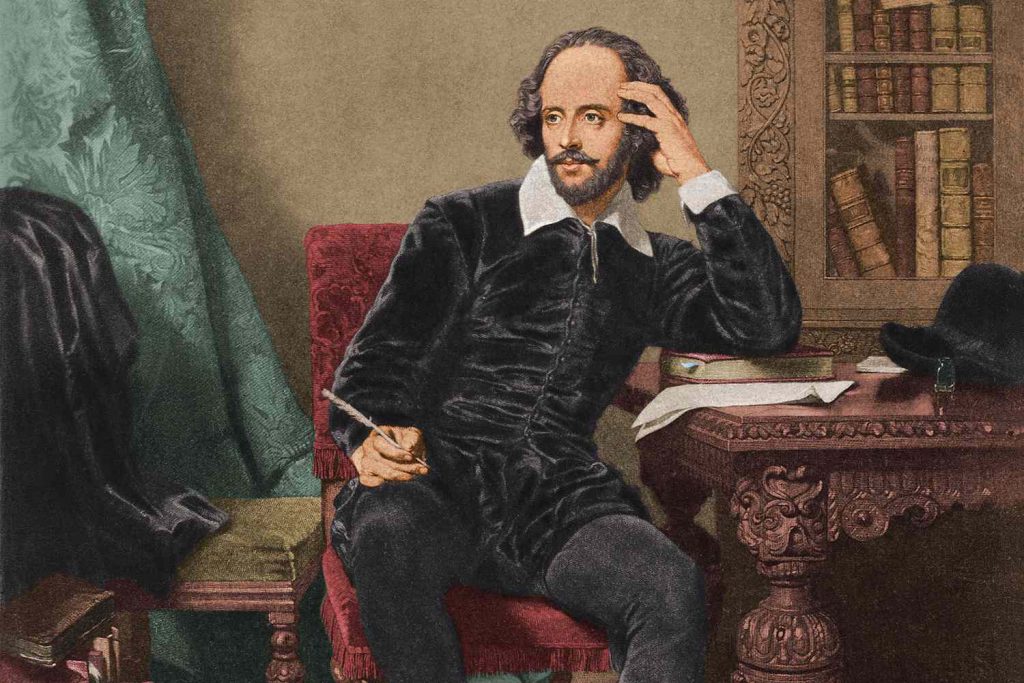
From the late 1590s to the early 1600s, Shakespeare entered his mature creative phase and reached the height of his artistic achievement with a series of classic tragedies. This period is marked by a deep exploration of the human inner world, placing characters in intense psychological and moral conflicts. Hamlet portrays the tragedy of hesitation and reflection, where human beings are torn between reason and action. Othello exposes the destructive power of jealousy and psychological manipulation, while Macbeth presents a dark vision of ambition and the inevitable collapse of moral integrity. King Lear expands tragedy into the realm of family and society, reflecting the breakdown of moral order and traditional values.
Alongside tragedy, Shakespeare continued to write comedies rich in intellectual depth, such as Twelfth Night and Much Ado About Nothing, in which humor is intertwined with subtle reflections on love, personal identity, and social norms. This demonstrates Shakespeare’s rare flexibility in moving between genres while maintaining a distinctive artistic voice.
In the final stage of his career, Shakespeare turned to plays often described as “romances” or tragicomedies, notably The Winter’s Tale, Cymbeline, and The Tempest. These works adopt a more contemplative tone, reducing intense conflict and emphasizing forgiveness, reconciliation, and renewal. Many scholars view this period as Shakespeare’s retrospective reflection on his creative journey, through which he conveyed profound thoughts on time, power, art, and the human condition.
In addition to drama, Shakespeare left a significant legacy in poetry, with over 150 sonnets and narrative poems such as Venus and Adonis and The Rape of Lucrece. His poetry both inherits classical traditions and embodies a spirit of innovation, particularly in its treatment of love, time, and human mortality. Taken as a whole, Shakespeare’s literary career is remarkable not only for its volume but also for its unparalleled depth of thought and artistic achievement in world literature.
3. Artistic Style and Thought
William Shakespeare’s artistic style is widely regarded as one of the pinnacles of Renaissance literature, harmoniously blending classical tradition with the dynamic creative spirit of a new era. Above all, he is considered a master of language. Shakespeare used English with exceptional flexibility, skillfully combining prose and poetry, especially blank verse. Through his extraordinary linguistic creativity, he enriched the English language with thousands of new words, phrases, and expressions, many of which remain in common use today.
Beyond language, the art of character construction is a defining feature of Shakespeare’s style. His characters are not confined to simple moral categories but are consistently multidimensional, complex, and marked by inner conflict. Figures such as Hamlet, Macbeth, Othello, and King Lear exist in states of tension between personal desire, social norms, and the voice of conscience. Through profound soliloquies, Shakespeare allows characters to reveal their thoughts, doubts, and fears, granting audiences direct access to the human inner life.
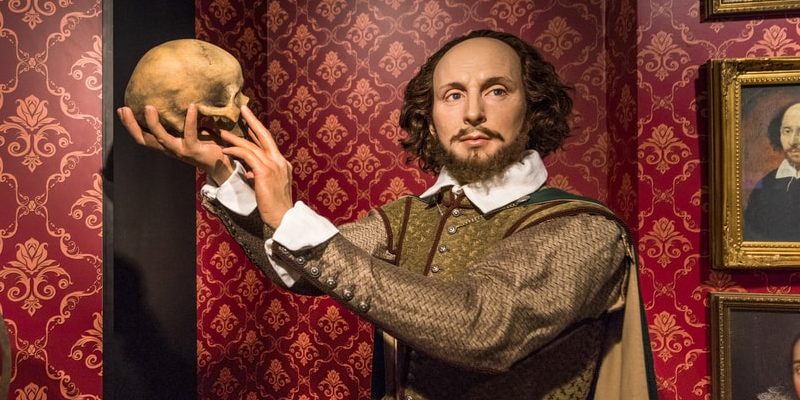
Another important characteristic of Shakespeare’s artistry is his flexible integration of tragic and comic elements. Even in his darkest tragedies, he incorporates moments of humor and everyday life to create dramatic rhythm and reflect the diversity of human experience. Conversely, in many comedies, Shakespeare does not shy away from serious issues such as social injustice, class prejudice, or gender conflict. This interweaving enables his works to transcend rigid genre boundaries and present a comprehensive and realistic portrayal of humanity.
In terms of thought, Shakespeare’s writings are deeply influenced by Renaissance humanism, an intellectual movement that emphasizes human reason, individuality, and value. He places human beings at the center of his artistic universe, portraying them as both creators of meaning and victims of their own desires, ambitions, and errors. Rather than idealizing humanity, Shakespeare consistently reveals human limitations, vulnerabilities, and the inevitability of tragedy.
Notably, Shakespeare avoids imposing rigid moral judgments in his works. Instead, he presents complex conflicts that force characters to make choices and bear responsibility for their actions. This deliberate ambiguity contributes to the philosophical depth of his works, allowing for multiple interpretations across different contexts. Issues such as power, justice, love, fate, and death are raised as universal questions that transcend any single historical period.
Overall, the artistic style and thought of William Shakespeare not only reflect the spirit of the Renaissance but also surpass historical boundaries to reach universal values. It is this combination of evocative language, psychologically profound characters, and deep humanistic thought that has allowed his works to retain their enduring vitality over the centuries.
4. Legacy and Contributions
William Shakespeare’s legacy extends far beyond the boundaries of English literature to become a core component of global culture. Over more than four centuries, his works have continued to be read, studied, taught, and performed worldwide. Few writers have achieved such lasting influence, with Shakespeare’s ideas and artistic images continually rediscovered in diverse historical and cultural contexts.
One of Shakespeare’s greatest contributions lies in elevating English drama. Before him, theatre largely served as entertainment or simple moral illustration. Shakespeare transformed drama into a medium for profound reflection on social life and the human psyche, addressing issues of power, morality, justice, and fate with remarkable directness. As a result, his plays have become enduring subjects of study in literature, theatre studies, and philosophy.
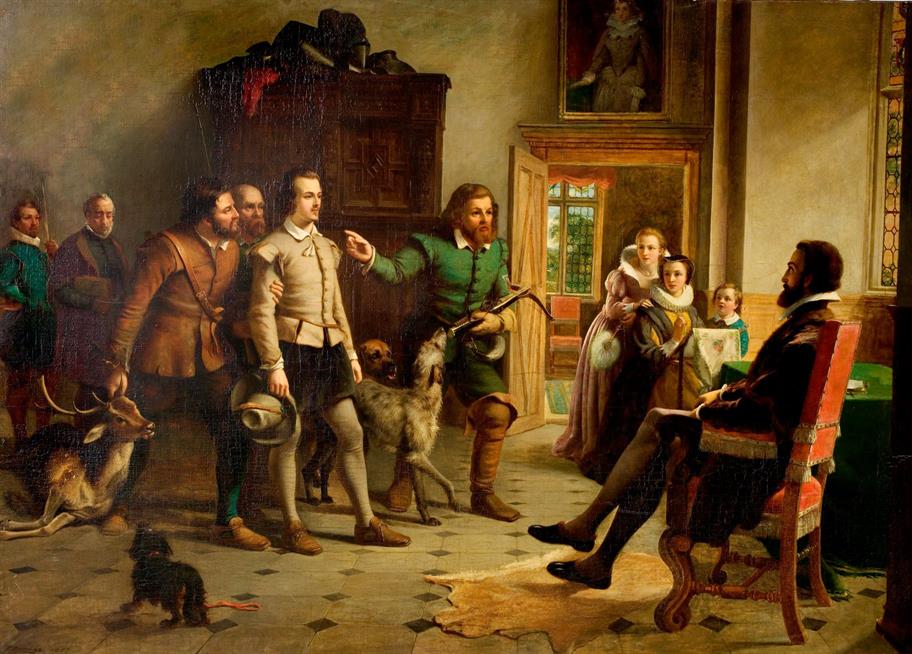
Linguistically, Shakespeare exerted a profound influence on the development of modern English. He is credited with popularizing and standardizing numerous words, expressions, and syntactic structures. Many phrases he coined have become idiomatic in everyday speech. Through his works, English expanded not only in vocabulary but also in its capacity to articulate complex and abstract psychological states.
Shakespeare’s legacy is also evident in his impact on other art forms. His plays have been adapted into operas, ballets, films, television productions, and modern literary works. Numerous directors, screenwriters, and authors have drawn inspiration from Shakespeare, demonstrating the adaptability of his themes to contemporary artistic forms. Even in popular culture, references to his characters and lines remain widespread, attesting to the enduring vitality of his legacy.
In education, William Shakespeare occupies a central position in literary curricula across many countries. His works are regarded as essential tools for engaging with humanistic values, textual analysis, and critical thinking. Studying Shakespeare is not merely an examination of a single author but a means of exploring fundamental questions about humanity and society.
Overall, Shakespeare’s legacy and contributions lie in his ability to connect generations through language and thought. He left behind not only immortal works but also a cultural foundation that continues to shape how people understand art, humanity, and the world.
5. Notable Works
William Shakespeare’s body of work is vast and diverse in genre. Many of his writings have become classics of world literature, studied and performed continuously for centuries. Based on content and form, his most notable works are commonly classified into four main categories: tragedies, comedies, history plays, and poetry.
5.1. Tragedies
Tragedy is the genre that established Shakespeare’s reputation and distinctive status in literary history. His tragedies focus on psychological depth, intense moral conflict, and the inevitable downfall of human beings in the face of ambition, power, and fate.
- Hamlet: Widely regarded as Shakespeare’s greatest masterpiece, the play raises philosophical questions about existence, responsibility, and action.
- Macbeth: A tragedy of political ambition and moral corruption, illustrating the cost of transgressing the boundaries of conscience.
- King Lear: A family tragedy intertwined with the collapse of social order and traditional moral values.
- Othello: Explores the destructive force of jealousy, suspicion, and psychological manipulation in human relationships.
- Romeo and Juliet: The most famous love tragedy in world literature, depicting the conflict between individual desire and familial hatred.
5.2. Comedies
Shakespeare’s comedies are not merely entertaining but also contain profound reflections on love, marriage, personal identity, and social norms. Humor is often built upon misunderstanding, disguise, and situational irony.
- A Midsummer Night’s Dream: A richly imaginative play blending the human world with mythological elements, reflecting the complexity of love.
- Twelfth Night: Explores themes of disguise and self-recognition while addressing issues of gender and social roles.
- Much Ado About Nothing: A situational comedy centered on misunderstanding, rumor, and personal honor.
- The Merchant of Venice: A blend of comedy and tragedy that raises questions about justice, mercy, and social ethics.
5.3. History Plays
Shakespeare’s history plays vividly reconstruct English history, focusing on power, war, and the legitimacy of monarchy. This group reflects his strong interest in political themes.
- Richard III: Portrays a tyrannical, ambitious, and manipulative king, becoming a symbol of corrupted power.
- Henry V: Celebrates leadership and patriotism while also revealing the darker aspects of war.
- Henry IV (Parts 1 and 2): Examines the relationship between power, responsibility, and the maturation of a future ruler.
5.4. Poetry and Late Plays
Alongside drama, Shakespeare made a lasting mark in poetry. His poetic works reveal philosophical depth and a refined sensibility toward time, love, and human mortality.
- Sonnets: A collection of over 150 renowned sonnets exploring themes of love, beauty, time, and the immortality of art.
- Venus and Adonis; The Rape of Lucrece: Narrative poems strongly influenced by classical literature.
In addition, late plays such as The Tempest, The Winter’s Tale, and Cymbeline are often regarded as artistic and philosophical summations of Shakespeare’s career, emphasizing forgiveness, reconciliation, and renewal.
6. Conclusion
William Shakespeare is remembered not only as a great playwright of England but also as a timeless symbol of world literature and human thought. His life and career are closely associated with the Renaissance, a period in which humanity became increasingly conscious of individual value, reason, and spiritual freedom. Through the medium of theatre and artistic language, Shakespeare truthfully reflected fundamental human conflicts, from love and ambition to power, fear, guilt, and the longing for understanding.
The enduring value of Shakespeare’s works lies in their ability to transcend the limits of their era. Although written more than four centuries ago, the questions he raised continue to engage modern society. Shakespeare’s characters exist not only on the stage but also as mirrors through which people examine themselves, recognize inner conflicts, and confront the consequences of personal choices.
Beyond thematic depth, Shakespeare left an indelible mark on art and language. He helped shape modern drama, expanded the expressive capacity of the English language, and exerted a powerful influence across multiple artistic fields. This legacy continues to be inherited, reinterpreted, and renewed by successive generations, demonstrating the lasting vitality of his thought and creativity.
It can be affirmed that William Shakespeare is not merely an author of the past but a shared voice of humanity. Studying and researching his works not only deepens our understanding of world literary history but also enriches human awareness of the self, society, and the role of art in life.