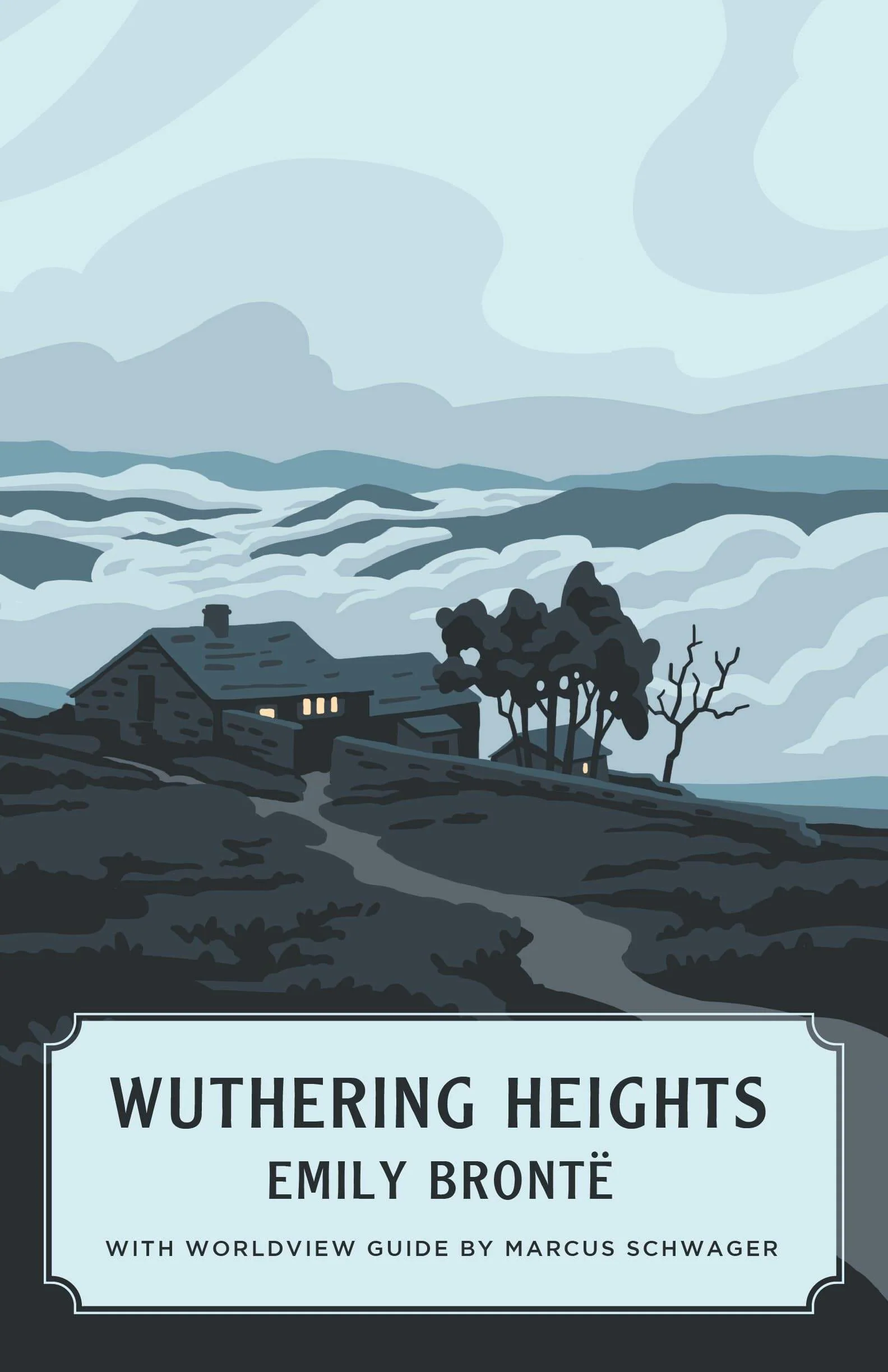
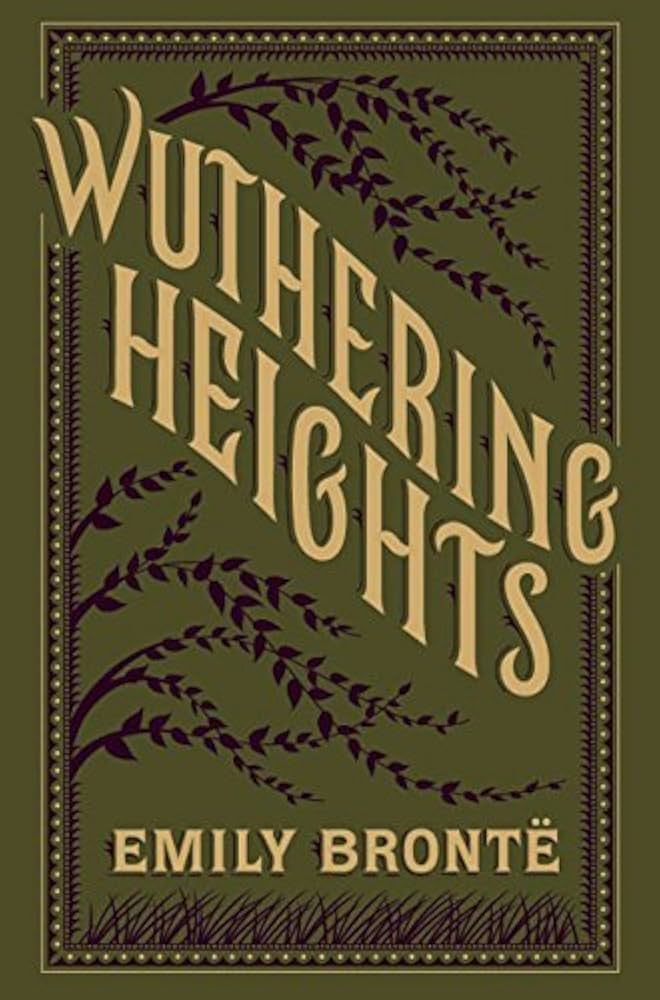
Not all love stories are beautiful, gentle, and destined to lead people to happiness. There are loves born from wildness, nurtured in solitude, and ending in pain and haunting obsession. Wuthering Heights by Emily Brontë is such a work – fierce, dark, and deeply challenging to readers.
Published in the nineteenth century, Wuthering Heights is not merely a love novel, but a profound portrayal of human instincts, extreme passion, hatred lasting across generations, and psychological wounds that never truly heal. The book is like a violent gust of wind sweeping through the reader’s mind: cold, harsh, yet utterly unforgettable.
To this day, Wuthering Heights remains one of the classics of English literature and one of its most controversial novels – passionately loved by some, difficult to approach for others. Yet it is precisely this divisiveness that has created the work’s enduring value.
1. Introduction to the Author Emily Brontë and the Context of the Work’s Creation
Emily Brontë (1818 – 1848) was one of the three renowned Brontë sisters of English literature, alongside Charlotte Brontë (Jane Eyre) and Anne Brontë (Agnes Grey). Unlike her sisters, however, Emily lived a quiet, withdrawn life, largely isolated from society.
She was born and raised on the Yorkshire moors, where howling winds, wild landscapes, and a harsh climate left a deep imprint on her soul and her writing. This very land later became the inspiration for the setting of Wuthering Heights.
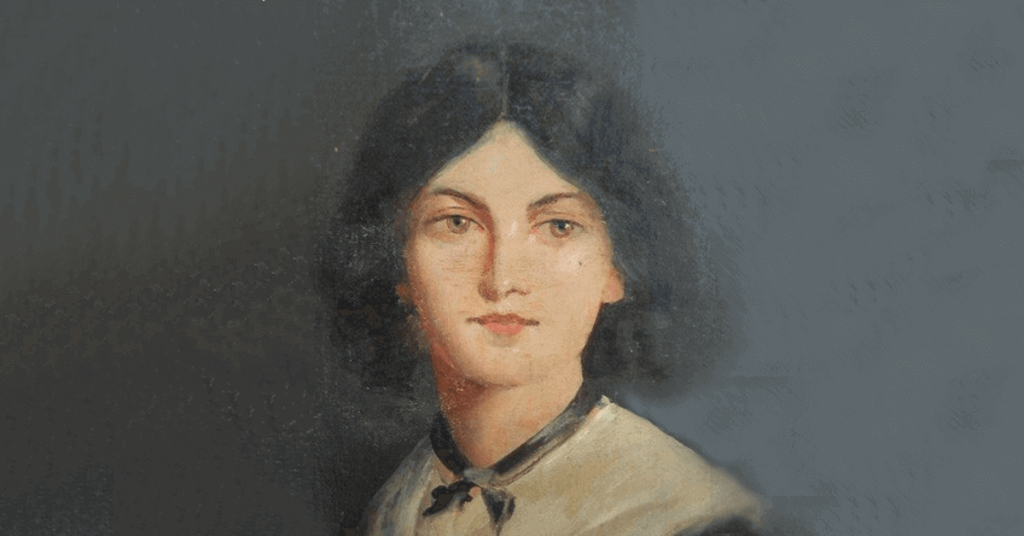
Notably, Wuthering Heights is Emily Brontë’s only novel. It was published in 1847 under the pseudonym Ellis Bell, at a time when English society remained deeply conservative, especially toward female authors. Initially, the novel was poorly received due to its intense content and morally “unpleasant” characters, which clashed with contemporary literary standards.
Only after Emily’s death at the age of thirty did Wuthering Heights gradually gain recognition and establish itself as a timeless masterpiece.
2. Summary of the Plot of Wuthering Heights
The story of Wuthering Heights is told indirectly through the recollections of the housekeeper Nelly Dean, as recorded by Mr. Lockwood, the tenant of Thrushcross Grange. This multilayered narrative structure casts the entire tragedy in a tone of memory – dark, distant, and haunting.
The tragedy begins when Mr. Earnshaw, the owner of Wuthering Heights, brings home an orphaned boy of unknown origin and dark complexion, naming him Heathcliff. From the moment of his arrival, Heathcliff is an outsider: despised by Hindley Earnshaw, scorned by society, yet strangely bonded with Catherine Earnshaw, Mr. Earnshaw’s daughter.
Catherine and Heathcliff grow up together on the wind-swept moors, sharing a childhood marked by wildness, freedom, and loneliness. Between them forms a bond that transcends ordinary friendship or love – a unity of instinct and soul. However, after Mr. Earnshaw’s death, Hindley assumes control and begins to treat Heathcliff cruelly, reducing him to a degraded position within the very home where he was raised.
A turning point occurs when Catherine spends time living with the Linton family at Thrushcross Grange. There, she is introduced to another world – civilized, wealthy, secure, and socially respected. Though she continues to love Heathcliff deeply, Catherine gradually realizes that marrying him would mean sacrificing her social status and future.
Ultimately, Catherine chooses Edgar Linton, a gentle and affluent man who fits society’s expectations. This decision deeply wounds Heathcliff. He leaves in anguish and hatred, carrying with him a vow to take revenge on both the Earnshaw and Linton families.
Years later, Heathcliff returns – wealthy, cold, and calculating. Step by step, he takes control of both Wuthering Heights and Thrushcross Grange, not only to avenge his past suffering but also to inflict his rage upon the next generation. He marries Isabella Linton, Edgar’s sister, solely to hurt her and satisfy his thirst for revenge.
Meanwhile, Catherine – torn between her instinctive love for Heathcliff and her confined marital life with Edgar – gradually deteriorates both mentally and physically. Her death becomes the final blow that plunges Heathcliff entirely into darkness. He spends the remainder of his life obsessed, believing that Catherine’s spirit still wanders the windswept moors.
The tragedy does not end with the first generation. Heathcliff’s hatred continues to affect Cathy Linton, Hareton Earnshaw, and Linton Heathcliff – children born into the consequences of broken relationships. Only when the younger generation begins to escape the cycle of vengeance does the story offer a faint glimmer of reconciliation and healing.
Wuthering Heights concludes not with the triumph of love or morality, but with a lingering sense of emptiness and sorrow, where humanity is forced to confront how extreme passions and blind hatred can destroy multiple generations.
3. Thematic and Artistic Values
Love in Wuthering Heights: Passion or Obsession?
One of the most controversial aspects of Wuthering Heights lies in Emily Brontë’s portrayal of love. The love between Catherine and Heathcliff lacks traditional romantic beauty; instead, it is instinctive, wild, and absolutely possessive.
Catherine once declares, “I am Heathcliff.” This statement expresses an extreme fusion of identities, where the boundary between “self” and “other” ceases to exist. It is not a love that leads to growth, but one that drags individuals into the depths of suffering.
Hatred and the Inheritance of Trauma
Heathcliff is not merely a conventional villain. He is the product of abandonment, discrimination, and emotional abuse. When such wounds remain unhealed, they transform into hatred and are passed down from one generation to the next.
Emily Brontë suggests that evil does not arise from nothing, but from pain that is never understood.
Humanity Confronted by Wild Nature
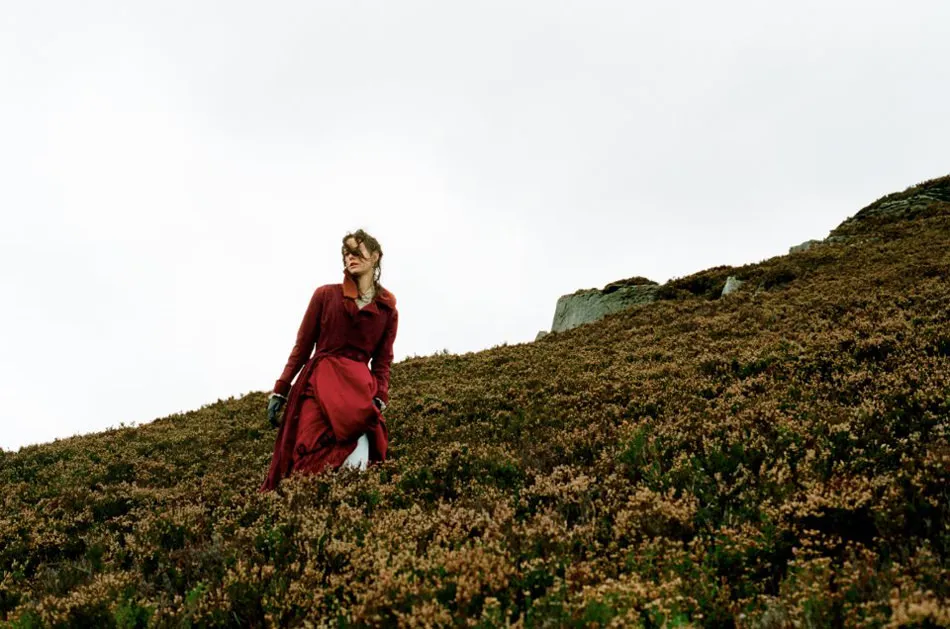
The natural setting in Wuthering Heights is not merely a backdrop, but the very soul of the novel. Wind, moors, and storms directly mirror the violent inner worlds of the characters, particularly Heathcliff and Catherine.
A Framed Narrative Structure
Emily Brontë employs a storytelling technique in which events are narrated through others – primarily Nelly Dean, filtered through Lockwood’s perspective. This creates a necessary emotional distance, giving the story an atmosphere of memory, mystery, and haunting ambiguity.
Characters Without Idealization
No character in Wuthering Heights is entirely good or evil. Even Catherine and Heathcliff – the story’s central figures – are riddled with contradictions, selfishness, and cruelty. This complexity allows the novel to transcend the moral conventions of its time.
Poetic Yet Cold Language
Emily Brontë’s prose is rich in imagery yet imbued with darkness and wildness. Instead of prolonged romantic sweetness, the narrative evokes loneliness, emptiness, and persistent anguish.
4. Memorable Quotations from Wuthering Heights
Some passages that vividly capture the spirit of the novel include:
“I am Heathcliff. He’s always, always in my mind – not as a pleasure, any more than I am always a pleasure to myself, but as my own being.”
“If all else perished, and he remained, I should still continue to be; and if all else remained, and he were annihilated, the universe would turn to a mighty stranger.”
“I cannot live without my soul.”
“If everyone else died, and he lived, I would still live; and if everyone lived, and he died, the universe would become utterly alien to me.”
“I beg you – remember me, but do not let me rest.”
“My love for Linton is like the foliage in the woods; time will change it. My love for Heathcliff resembles the eternal rocks beneath.”
“You may forget me, but do not forget that I was once everything to you.”
These lines are not beautiful in a gentle sense, but beautiful in their pain and haunting intensity.
5. Suitable Readers and Advice for Reading Wuthering Heights Effectively
Wuthering Heights is not a novel for everyone, but it is particularly suited to readers willing to confront the darker sides of human emotion.
The novel is suitable for:
- Readers who appreciate classic literature, especially nineteenth-century English novels
- Those interested in psychological depth and complex relationships
- Readers seeking an intense, unconventional love story without emotional idealization
Conversely, Wuthering Heights may discomfort readers who prefer light, uplifting narratives or healing romances. The characters are not idealized, and many of their actions are selfish and cruel, requiring patience and careful psychological observation.
To read Wuthering Heights effectively, readers are advised to:
- Read slowly, avoiding skimming in order to grasp subtle psychological shifts
- Separate personal moral judgment from character behavior
- Place the story within the social context of Victorian England to better understand class constraints and character choices
- Revisit key passages, as the novel reveals greater depth upon rereading
6. Conclusion
Wuthering Heights is not a novel that offers comfort. It is cold, violent, and at times deeply unsettling. Yet it is precisely this uncompromising nature that has ensured its lasting vitality.
Emily Brontë does not tell a story to console humanity, but to expose extreme passions, unhealed wounds, and their devastating consequences across generations. Wuthering Heights reminds us that love, when deprived of understanding and freedom, can become chains that imprison both the giver and the receiver.
This is a book that may not be loved at first reading, but it is likely to remain in the reader’s mind for a very long time – like the ceaseless wind blowing across the moors, quiet yet persistent, impossible to forget.