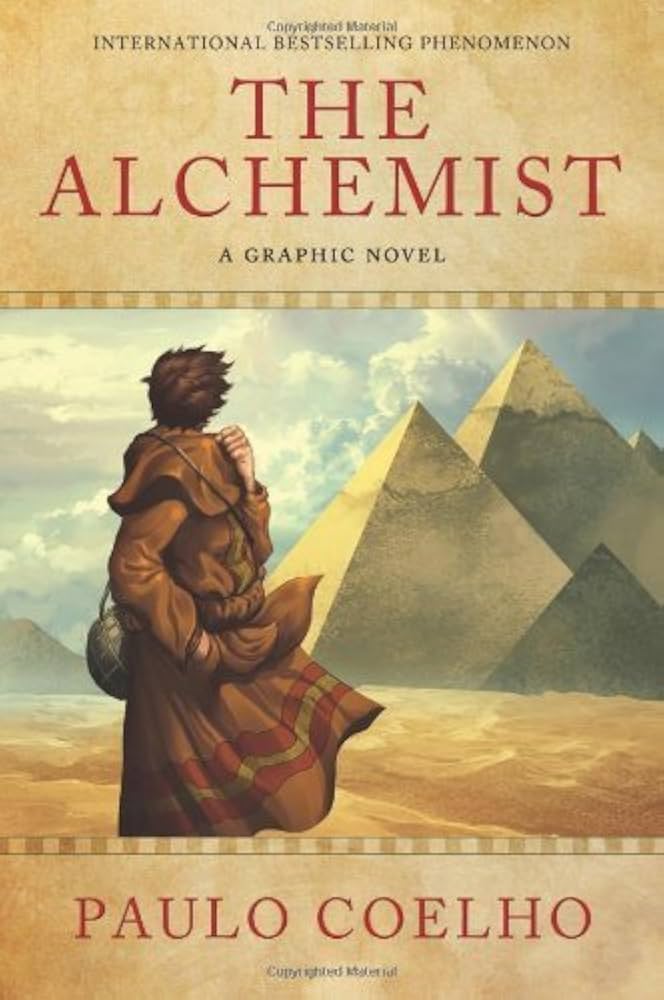
The Alchemist, one of the most celebrated works by Brazilian author Paulo Coelho, has earned a lasting place in world literature. Widely embraced by readers across cultures, the novel has sold millions of copies, been translated into more than eighty languages, and continues to be reprinted globally.
Its enduring appeal lies in its timeless themes and deeply humanistic insights. Through a simple yet powerful narrative, the book explores fundamental questions about life, the pursuit of dreams, and the journey toward self-discovery.
Far beyond a story about the search for material treasure, The Alchemist presents a profound inner journey. It invites readers to reflect on their true purpose, recognize their deepest aspirations, and find the courage to pursue the path they are meant to follow.
1. Paulo Coelho: From Struggles to Global Literary Icon
Paulo Coelho was born in 1947 in Rio de Janeiro and is widely recognized as one of the most influential contemporary writers in global literature. Although he did not achieve literary success until his forties, Coelho’s rise was both rapid and remarkable. His works, characterized by emotional depth, spiritual reflection, and philosophical insight, have resonated with millions of readers across cultures and generations.

Over the course of his career, Coelho has published more than twenty books, with total global sales exceeding 86 million copies across approximately 150 countries. His works have been translated into dozens of languages and frequently appear on international bestseller lists, solidifying his unique position in modern literary history. Beyond commercial success, his writing has been widely appreciated for its ability to bridge spirituality, personal growth, and storytelling in a simple yet profound manner.
Among his most notable works are The Alchemist (1988), his most famous and widely read novel; Brida (1990), which explores themes of spirituality and destiny; Veronika Decides to Die (1998), a psychological and philosophical reflection on life and mental health; Eleven Minutes (2003), a bold exploration of love and human desire; and The Pilgrimage (1987), a semi-autobiographical account of his spiritual journey. Each of these works reflects Coelho’s enduring fascination with self-discovery, faith, and the search for meaning.
Before achieving international acclaim, Coelho experienced a life marked by struggle, transformation, and profound personal challenges. In his youth, he faced opposition from his family regarding his artistic ambitions and even spent time in a mental institution. Later, he pursued various paths, including working as a songwriter, journalist, and theater director. These diverse experiences, combined with his extensive travels, particularly his pilgrimage along the Camino de Santiago in Spain, played a pivotal role in shaping his reflective and introspective writing style.
The creation of The Alchemist was deeply rooted in Coelho’s own journey of self-discovery and spiritual awakening. Inspired by his belief in the importance of dreams and the power of following one’s “Personal Legend,” he crafted a narrative that transcends cultural and geographical boundaries. To develop the story of Santiago, a shepherd who embarks on a quest for hidden treasure, Coelho drew upon a wide range of influences, including different religious traditions, philosophical ideas, and cultural symbols.
Despite its now-iconic status, The Alchemist initially faced significant rejection and skepticism from publishers. Early print runs were modest, and the book struggled to gain immediate attention. However, through persistence and word-of-mouth, it gradually gained popularity and eventually became a global phenomenon. Today, it stands as one of the best-selling and most beloved novels of all time, widely regarded as a modern classic that continues to inspire readers to pursue their dreams and discover their true purpose.
2. The Universe Is Always Listening to Our Story
Santiago’s Quest for His Dream
One of the most powerful and enduring messages in The Alchemist is the courage to pursue one’s dreams, even in the face of uncertainty, fear, and repeated setbacks. Paulo Coelho encapsulates this idea through his famous philosophy: when a person truly desires something with all their heart, the universe itself begins to align in support of that dream.
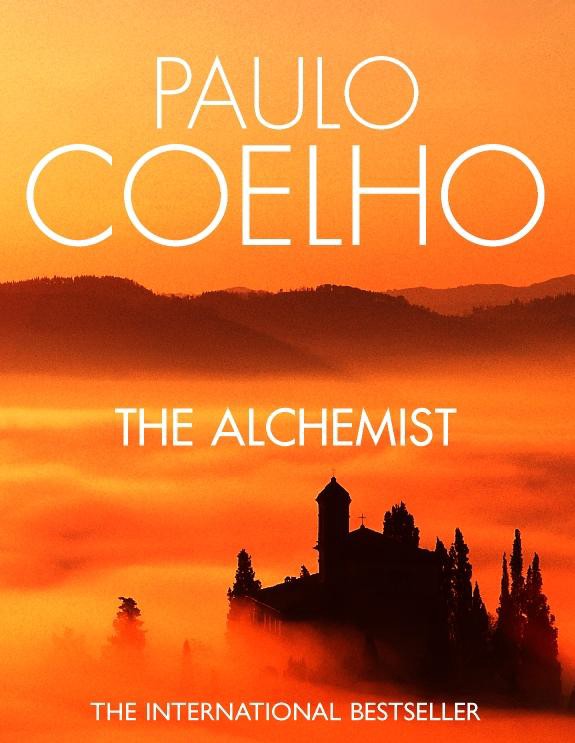
At the heart of the novel is Santiago, a young shepherd from Spain who chooses to abandon the safety and familiarity of his pastoral life in search of a hidden treasure. This decision marks the beginning of a transformative journey, one that is not only physical but deeply emotional and spiritual.
Driven by a recurring dream of treasure buried near the Egyptian pyramids, Santiago steps into the unknown. However, his journey is far from smooth. He is robbed shortly after arriving in a foreign land, forced to rebuild his life from nothing, and must navigate unfamiliar cultures, languages, and dangers. At one point, he even finds himself caught in the midst of tribal conflicts, where his survival depends on both courage and faith.
Despite these hardships, Santiago never fully abandons his dream. Each obstacle becomes a lesson, teaching him resilience, patience, and the importance of trusting the process. His persistence reflects a universal truth: the path toward fulfilling one’s dreams is rarely linear, but those who endure are often rewarded with far more than they initially sought.
The True Path Toward Spiritual Awakening
Beyond the surface narrative of a treasure hunt, The Alchemist unfolds as a profound journey of spiritual awakening. Santiago’s experiences gradually shift his perspective from seeking external wealth to understanding the deeper meaning of life and existence.
Coelho masterfully uses the concept of alchemy not merely as a physical transformation of metals, but as a symbolic representation of inner transformation. The journey becomes a metaphor for refining the soul, overcoming the ego, and discovering one’s true self.
Along the way, Santiago encounters influential figures such as the Alchemist and the King of Salem. These characters serve as spiritual guides, each offering insights that push Santiago closer to understanding his “Personal Legend” – the unique purpose that every individual is meant to fulfill. Through them, he learns to recognize signs, interpret omens, and most importantly, listen to the voice of his own heart.
A key realization emerges: while everyone possesses dreams and a destined path, only a few have the courage to pursue them wholeheartedly. Fear of failure, comfort in routine, and societal expectations often hold people back. Santiago’s journey challenges this hesitation, demonstrating that true fulfillment lies in embracing uncertainty and trusting in one’s inner calling.
As he progresses, Santiago begins to understand what Coelho refers to as the “language of the universe” – an intuitive connection with the world around him. This awareness allows him to see opportunities where others see obstacles and to move forward with a sense of purpose and clarity.
The Treasure Lies in the Journey, Not Only at the Destination
As Santiago’s journey unfolds, he gradually comes to a profound realization: the treasure he seeks is not merely a physical object waiting at a distant destination, but the sum of all the experiences, lessons, and transformations he undergoes along the way.
After enduring loss, hardship, and countless trials, Santiago ultimately discovers the treasure he has been searching for. However, the true revelation lies in the fact that this treasure is not hidden in a faraway land, but at the very place where his journey began – beneath the tree where he first dreamed of it.
This circular journey carries deep symbolic meaning. It suggests that while the answers we seek may already exist within or around us, it is the journey itself that enables us to recognize their value. Without leaving his comfort zone, Santiago would never have gained the wisdom, courage, and self-awareness needed to truly appreciate what he had.
Through this narrative, The Alchemist delivers a timeless message: growth requires movement, and self-discovery often demands that we step away from the familiar. It is through challenges, uncertainties, and even failures that individuals shape their identity and uncover their true purpose.
In the end, the greatest treasure is not material wealth, but the transformation that occurs within. The experiences accumulated, the fears overcome, and the lessons learned become a unique and invaluable form of wealth – one that defines who we are and who we ultimately become.
3. Key Highlights and Lasting Values
One of the most distinctive strengths of The Alchemist lies in the unique writing style of Paulo Coelho. His prose is remarkably simple, yet layered with profound meaning. Rather than relying on complex structures or elaborate language, Coelho chooses clarity and subtlety, allowing readers from diverse backgrounds to engage with the story while still uncovering deeper philosophical insights beneath its surface.

This balance between simplicity and depth is what gives the novel its universal appeal. The narrative seamlessly weaves together elements of life philosophy, spirituality, and mysticism, creating a story that feels both intimate and expansive. Readers are not overwhelmed by the plot, but instead gently guided toward reflection, making the book accessible while leaving a lasting emotional and intellectual impact.
Although relatively short and straightforward in structure, The Alchemist carries a remarkable density of meaning. Through Santiago’s journey, Coelho introduces the concept that every individual is born with a unique purpose – often referred to as a “Personal Legend.” This idea serves as the philosophical core of the novel, encouraging readers to reflect on their own aspirations and the extent to which they are willing to pursue them.
A recurring theme throughout the story is the presence of signs and omens. Coelho suggests that the universe is not indifferent, but rather quietly communicates with those who are attentive and open. Santiago’s ability to recognize and trust these signs becomes a crucial factor in his progress, symbolizing the importance of intuition, awareness, and faith in one’s journey.
Another key highlight of the novel is its redefinition of “treasure.” While the story begins with a seemingly material goal – the search for hidden gold – it gradually reveals that true treasure lies elsewhere. It is found in personal growth, in the courage to face uncertainty, and in the richness of experiences gained along the way. Happiness, as portrayed in the novel, is not a destination but a state of being that emerges through living fully and authentically.
Coelho also emphasizes the transformative power of perseverance. Santiago’s journey is filled with setbacks, doubts, and moments of fear, yet each challenge contributes to his development. This progression reflects a fundamental truth: meaning is not given, but created through action, resilience, and the willingness to continue despite difficulties.
Ultimately, The Alchemist conveys a timeless message about the nature of a meaningful life. It suggests that fulfillment is not defined by external success or material achievements, but by the alignment between one’s actions and inner purpose. When individuals commit themselves to their dreams with sincerity and persistence, the universe, in its own subtle ways, responds – opening paths, creating opportunities, and guiding them toward realization.
In this sense, the lasting value of the novel lies not only in its story, but in its ability to inspire readers to look inward, to question their own journeys, and to find the courage to pursue a life that is truly their own.
4. The Most Meaningful Quotes That Capture the Soul of The Alchemist
One of the most enduring aspects of The Alchemist is its collection of timeless and thought-provoking quotes. Through simple yet powerful language, Paulo Coelho conveys profound truths about love, destiny, fear, and the human spirit. These lines resonate deeply with readers, often remaining long after the story itself has ended, serving as guiding principles for life and self-discovery.
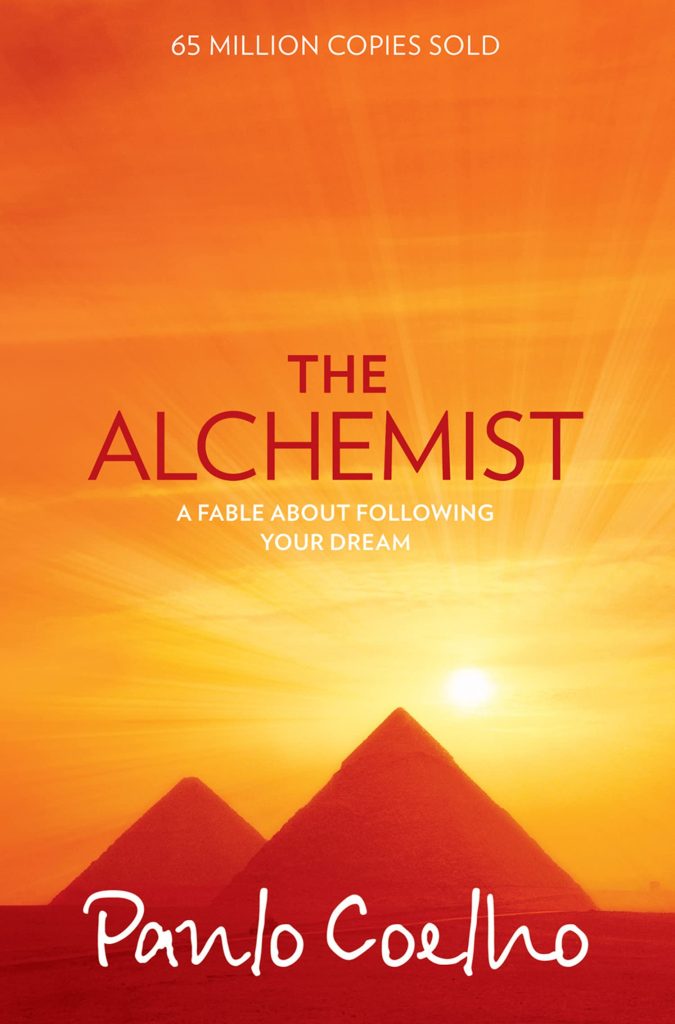
Below are some of the most memorable quotes from the novel, each reflecting a core message of the story:
“When we love, we always strive to become better than we are. And when we strive to become better, everything around us becomes better too.”
This quote highlights the transformative power of love. In The Alchemist, love is not portrayed as a limitation, but as a force that inspires growth, self-improvement, and positive change in both the individual and the world around them.
“One is loved simply because one is lovable. No reason is needed for love.”
Here, Coelho presents love in its purest form – unconditional and free from justification. It emphasizes that true love exists beyond logic or explanation, rooted instead in genuine human connection.
“Remember that wherever your heart is, there you will find your true treasure.”
This line reinforces one of the central themes of the novel: the connection between inner desire and life’s true purpose. It suggests that fulfillment can only be found by following one’s heart and staying true to one’s deepest aspirations.
“You must understand that true love never keeps someone from following their destiny. If it does, then it is not true love – the love that speaks the language of the universe.”
Through this quote, Coelho distinguishes between possessive love and genuine love. True love, as portrayed in the novel, supports freedom and personal growth rather than restricting it.
“You will never be able to escape from your heart. So it is better to listen to what it has to say.”
This reflects the importance of self-awareness and inner listening. Santiago’s journey teaches that ignoring one’s heart leads to inner conflict, while embracing it leads to clarity and purpose.
“Tell your heart that the fear of suffering is worse than suffering itself. And no heart has ever suffered when it goes in search of its dreams.”
This powerful message addresses one of the greatest barriers to pursuing dreams: fear. Coelho reminds readers that fear often causes more pain than the challenges themselves, and that true fulfillment comes from having the courage to try.
Together, these quotes encapsulate the philosophical essence of The Alchemist. They serve not only as memorable lines within the story, but also as enduring life lessons that encourage readers to embrace love, overcome fear, trust their inner voice, and pursue their dreams with courage and conviction.
5. Is The Alchemist the Right Book for You?
The Alchemist is a timeless work that transcends age, culture, and background, making it accessible and meaningful to a wide range of readers. However, its message resonates most strongly with those who are at a crossroads in life – individuals searching for direction, purpose, or the courage to pursue something greater than themselves.
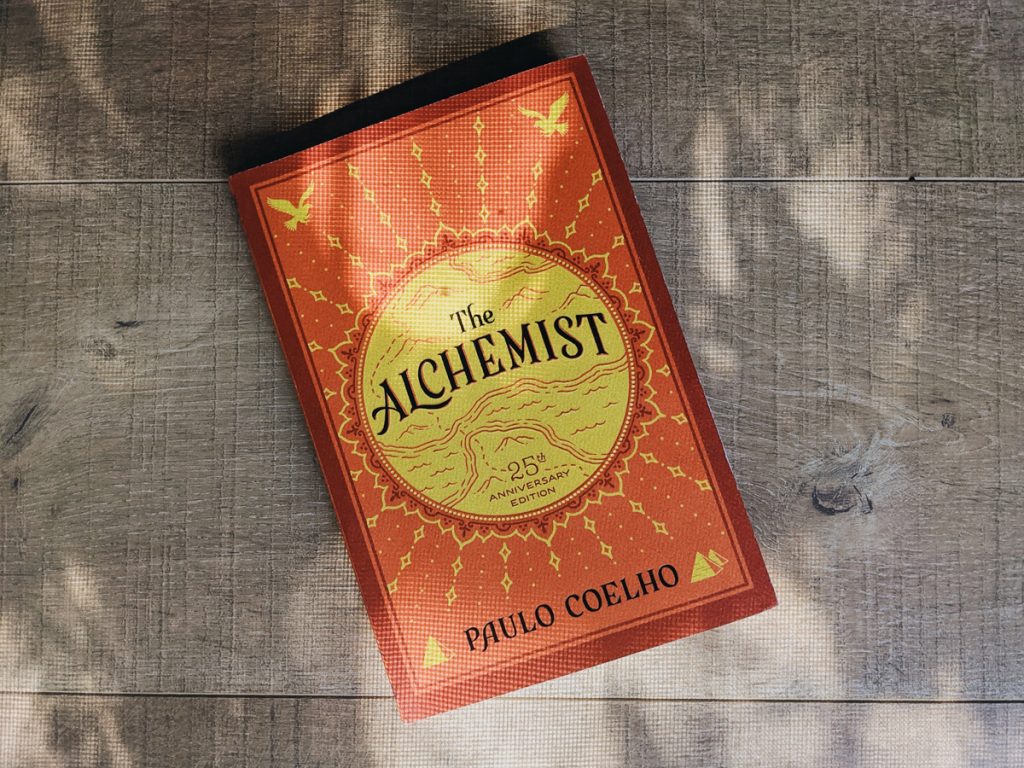
The novel is particularly well suited for young readers who are in the process of shaping their identity and aspirations. At a stage where uncertainty and self-doubt are common, the story of Santiago offers both reassurance and inspiration, encouraging them to trust their dreams and take the first steps toward realizing them.
Beyond that, the book speaks deeply to anyone who feels hesitant, lost, or stuck in the comfort of routine. Many people carry unfulfilled dreams but are held back by fear of failure, societal expectations, or the desire for security. Through Santiago’s journey, Paulo Coelho gently challenges these limitations, reminding readers that growth often requires stepping beyond the familiar and embracing uncertainty.
The Alchemist is also an excellent choice for readers who are drawn to philosophical and spiritual literature. Its narrative is layered with reflections on destiny, faith, intuition, and the interconnectedness of all things. Rather than presenting rigid doctrines, the book invites personal interpretation, allowing each reader to find meaning that aligns with their own life experiences.
In moments of confusion, transition, or emotional struggle, this novel can serve as a source of guidance and encouragement. It offers not concrete answers, but a renewed perspective – one that emphasizes hope, resilience, and the importance of listening to one’s inner voice.
At its core, the message of The Alchemist – to never abandon one’s dreams – continues to inspire millions of readers worldwide. Yet its value goes far beyond motivation alone. The novel can be seen as a repository of spiritual insight, a reflection on love and purpose, and a gentle guide to living a life that is not only successful, but truly meaningful.
6. Final Thoughts on The Alchemist
The Alchemist stands as a timeless literary work that continues to inspire readers across generations. More than just a novel, it is a source of spiritual reflection and motivation for anyone seeking meaning, direction, or a deeper understanding of life.
Through a narrative rich in symbolism and simplicity, Paulo Coelho conveys profound insights into the nature of dreams, perseverance, and the human spirit. The journey of Santiago, while presented in the form of a fable, captures universal truths about courage, faith, and the pursuit of one’s true purpose.
What makes The Alchemist truly remarkable is its ability to communicate complex philosophical ideas through an accessible and emotionally resonant storytelling style. It is a book that can be read quickly, yet its messages linger long after the final page, encouraging readers to reflect on their own lives and the paths they have chosen.
Ultimately, the novel reminds us that the pursuit of a meaningful life is itself the greatest achievement. By daring to follow our dreams and listening to the voice within, we open ourselves to growth, transformation, and fulfillment. It is this enduring message that has allowed The Alchemist to touch millions of hearts worldwide and secure its place as one of the most influential works of modern literature.
7. References and Further Resources
[1] Paulo Coelho, The Alchemist. New York, NY, USA: HarperOne, 1988.
[2] “The Alchemist,” Wikipedia. [Online]. Available: https://en.wikipedia.org/wiki/The_Alchemist_(novel)
[3] “Paulo Coelho,” Wikipedia. [Online]. Available: https://en.wikipedia.org/wiki/Paulo_Coelho
[4] P. Coelho, The Pilgrimage. New York, NY, USA: HarperOne, 1987.
[5] P. Coelho, Brida. New York, NY, USA: HarperOne, 1990.
[6] P. Coelho, Veronika Decides to Die. New York, NY, USA: HarperOne, 1998.
[7] P. Coelho, Eleven Minutes. New York, NY, USA: HarperOne, 2003.