In the context of modern society, individuals not only face increasing pressures from their careers and studies, but also contend with numerous uncertainties in personal life, ranging from economic and financial fluctuations to stresses in social and family relationships. These pressures create a challenging environment, where each person is compelled to continuously adapt, make decisions, and manage emotions in order to survive and thrive. However, not everyone is capable of responding proactively to circumstances. Some individuals easily fall into a passive psychological state, feeling powerless in the face of adversity, and often tend to blame circumstances, others, or factors beyond their control. This mindset, known as the “victim” mentality, not only limits personal development but also forms a self-perpetuating cycle of failure, helplessness, and stagnation – one that is difficult to escape without a clear recognition of one’s internal power.
In this context, Stephen R. Covey’s The 7 Habits of Highly Effective People provides a theoretical and practical framework for cultivating self-mastery and the ability to take control of one’s life. Covey does not merely propose behavior-based habits, but also emphasizes a shift in mindset: moving from a passive state, prone to accepting fate, to a proactive state, capable of controlling one’s responses and taking responsibility for personal outcomes. The principles in the book not only help individuals recognize and overcome the victim mentality but also build the capacity to make wise decisions, solve problems effectively, and maintain positive social relationships. This essay analyzes the mechanisms underlying the formation of the victim mindset, its consequences for individuals and communities, and explores the lessons on self-mastery presented in The 7 Habits, thereby suggesting ways to transform one’s thinking and behavior in modern life and enabling each person to maximize their potential in a rapidly changing environment.
1. Overview of the “Victim” Mindset
1.1 Characteristics of the Victim Mindset
The victim mindset is a psychological state characterized by feelings of helplessness and lack of control over one’s life circumstances, work, or surrounding relationships. Individuals with this mindset often believe that all outcomes in life are determined by external factors, ranging from the social environment and economic conditions to the behaviors of others. They are prone to feel unfairly treated, hurt, and convinced that personal effort rarely leads to real change. As a psychological defense mechanism, this mindset helps individuals alleviate pressure by “blaming” external factors, but at the same time, it traps them in a self-perpetuating cycle of disappointment and stagnation.

Behaviorally, the manifestations of the victim mindset are quite clear. Individuals with this mindset often delay important decisions, avoid responsibility, and shy away from challenges. They tend to seek empathy, support, or validation from others rather than actively seeking solutions. In the workplace, this can result in missed opportunities for promotion or performance improvement. In personal life, it strains relationships, as persistent negativity and reliance on circumstances or others reduce trust and cooperation from those around them.
1.2 Long-Term Consequences of the Victim Mindset
The consequences of the victim mindset extend beyond temporary difficulties and deeply affect long-term personal development. First, it significantly diminishes problem-solving abilities. When individuals fail to recognize their own role in effecting change, they struggle to find effective solutions and often overlook opportunities to learn from failure.
Second, the victim mindset hampers personal growth. Passive individuals rarely reflect on their behaviors and decisions, making it difficult to draw lessons from experiences. They are at risk of repeating mistakes and have reduced adaptability in rapidly changing environments.
Finally, the victim mindset negatively impacts social and professional relationships. Pessimism, dependency, and lack of initiative make it difficult for others to connect, cooperate, or trust. In collective environments, the presence of individuals with a victim mindset can reduce group productivity, create latent conflicts, and affect organizational culture as a whole.
1.3 Causes of the Victim Mindset
The causes of the victim mindset are multifaceted, encompassing personal, educational, social, and life experience factors. From the perspective of family and education, individuals who are not encouraged to take responsibility from a young age, or who are frequently shielded from the consequences of their actions, are more likely to develop feelings of helplessness and dependence on others.
Additionally, social pressures and unrealistic standards of success play an important role. In an environment where success is primarily evaluated based on results, reputation, or social status, those who experience failure are likely to feel unfairly treated and believe that their efforts are meaningless. Over time, repeated failures or negative experiences can lead individuals to adopt a psychological defense mechanism by blaming circumstances and others. While this mechanism initially helps reduce stress and soothe emotional pain, in the long run, it reinforces the victim mindset, causing individuals to increasingly lose initiative, control, and personal development potential.
Thus, the victim mindset is not a temporary state but the result of multiple interacting factors, including educational environment, social pressure, and personal experience. Understanding its characteristics and causes is the first step toward developing self-mastery, transforming a passive mentality into a proactive one, and creating an effective path in life.
2. The principle of self-control in the 7 Habits of Highly Effective People
2.1 General Overview of the 7 Habits
Stephen R. Covey’s The 7 Habits of Highly Effective People is not merely a behavioral guide but a philosophy of personal development, aimed at cultivating proactive individuals with vision and the ability to take control of their lives. Covey presents seven fundamental habits, organized in a logical sequence from personal mindset to social relationships, from awareness to action:
- Be Proactive – develop self-control and take responsibility for one’s actions.
- Begin with the End in Mind – establish a personal vision and guide one’s actions accordingly.
- Put First Things First – manage time and energy based on true priorities and values.
- Think Win–Win – build cooperative relationships rather than confrontational ones.
- Seek First to Understand, Then to Be Understood – enhance communication through empathy and active listening.
- Synergize – leverage collective strength through creative collaboration.
- Sharpen the Saw – maintain balanced development in physical, mental, intellectual, and emotional dimensions.
Among these seven habits, the first habit – Be Proactive – serves as the foundation of self-mastery. Covey emphasizes that being proactive is not merely about taking positive action, but a state of awareness in which an individual recognizes the inherent power to control their own thoughts, emotions, and behaviors. This is a fundamental step in overcoming the victim mindset, because only when one becomes aware of personal power can they choose their responses rather than being driven by external influences.
2.2 The Difference Between the Victim Mindset and the Proactive Mindset
One of Covey’s important messages is the clear distinction between the victim mindset and the proactive mindset, as these two approaches lead to completely different outcomes in life and work.
| Factor | Victim Mindset | Proactive Mindset |
|---|---|---|
| Reaction | Passive, prone to blaming others or circumstances | Takes responsibility for one’s own actions, seeks solutions |
| Control | Feels powerless, dependent on external factors | Recognizes inherent power, focuses on what can be controlled |
| Behavior | Waits for change from the environment | Initiates action, actively seeks opportunities and solutions |
Individuals with a proactive mindset understand that, even under difficult circumstances, they have the right to choose how to respond, thereby creating positive outcomes. In contrast, those with a victim mindset are often influenced by external factors, easily falling into a state of helplessness and passivity.
2.3 llustrative Examples and Analysis
To illustrate the difference between the two mindsets, consider an example in a corporate environment. An employee participating in a project that fails may respond in two ways:
- Victim Mindset: The employee blames colleagues, supervisors, or external conditions such as lack of resources or tight deadlines. They focus on feelings of injustice, complain, and wait for others to provide solutions. This behavior leads to missed learning opportunities, diminished credibility in the eyes of coworkers, and, over time, limits personal capability.
- Proactive Mindset: The employee analyzes the causes of failure, takes responsibility for their own contributions, seeks ways to improve processes, and proposes new solutions. They perceive the outcome as an opportunity to learn and develop skills, thereby enhancing their competence, building credibility, and creating opportunities for advancement. This proactive behavior not only improves individual results but also contributes to the overall success of the team and organization.
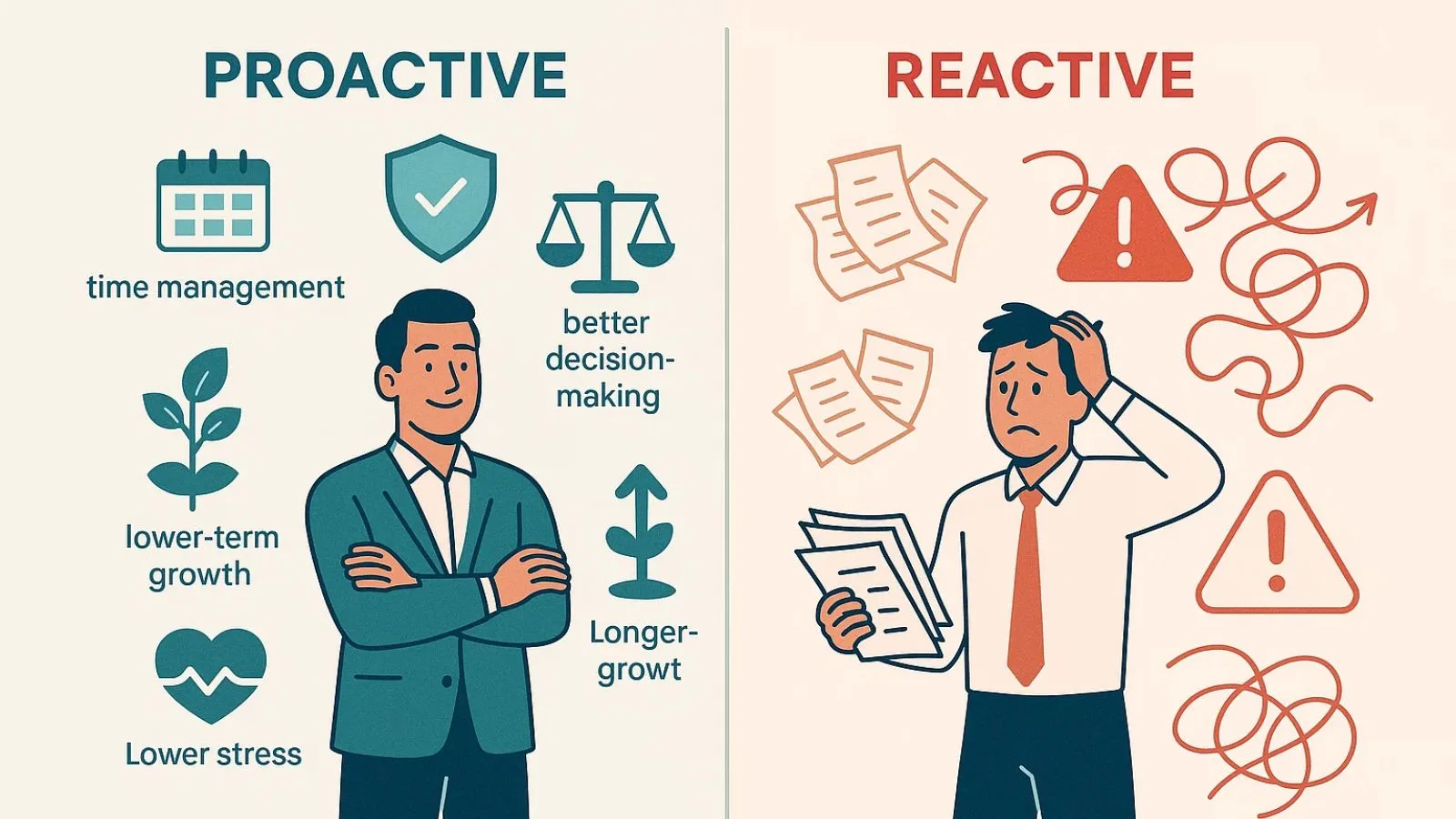
A deeper analysis reveals that this difference lies not only in surface behaviors but also in awareness of personal power. Proactive individuals understand that outcomes are not entirely determined by external factors but are directly influenced by their choices, attitudes, and actions. In contrast, those with a victim mindset place power outside themselves, resulting in feelings of helplessness, higher stress, and difficulty maintaining long-term motivation.
Beyond the workplace, this distinction also applies to personal life, learning, and social relationships. For example, a student who receives a low grade on an exam may blame the teacher or the curriculum (victim mindset) or evaluate their study methods, adjust strategies, and strive to improve results (proactive mindset). The choice between these two mindsets determines the degree of life control, the ability to learn from failure, and the capacity to develop personal potential.
3. In-Depth Analysis of the “Victim Mindset” Mechanism
3.1 Psychological Manifestations
The victim mindset is often accompanied by negative psychological responses such as feelings of injustice, disappointment, low self-esteem, and a tendency to fall into prolonged stress. When individuals repeatedly encounter failure or face difficulties, they tend to blame circumstances, other people, or factors beyond their control. This mechanism creates a negative loop: failure leads to blame, blame reinforces a sense of helplessness, and helplessness in turn leads to continued failure in similar situations.
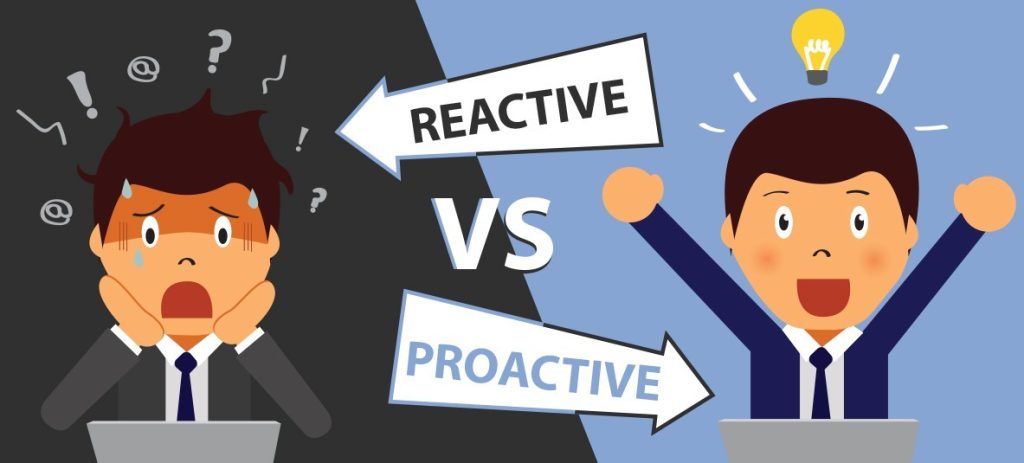
Individuals with a victim mindset often seek empathy and consolation from others, but rarely take proactive steps to change their situation. They may spend time reflecting on the reasons for failure or harboring resentment, but seldom transform that awareness into corrective action. As a result, they gradually isolate themselves from opportunities for growth and skill development, as their psychological passivity hinders participation in challenging situations.
Additionally, the victim mindset is associated with a lack of internal control and susceptibility to social pressure. When facing stress, these individuals often respond by avoiding challenges or resigning to fate, rather than actively seeking ways to adapt and solve problems.
3.2 Social and Personal Consequences
The consequences of the victim mindset extend beyond the individual and affect social, organizational, and familial environments.
In the workplace, groups with victim-minded individuals often slow overall organizational performance. Passivity, lack of responsibility, and a tendency to blame others can reduce collaborative effectiveness, undermine team morale, and foster a negative internal culture. Colleagues may lose trust and limit cooperation, leading to lower overall productivity.
In family or personal relationships, the victim mindset also creates dependence and tension. Individuals with this mindset often expect others to “solve their problems” while making little personal effort to improve the situation. This leads to conflicts, imbalance in relationships, and diminished quality of social interaction.
On a broader social level, when the victim mindset becomes widespread, it contributes to a blame-oriented culture, where individuals and groups often externalize responsibility rather than taking ownership and seeking solutions. The consequence is a community that is less proactive, less adaptable to change, and at higher risk of mental stress, especially during periods of economic or social upheaval.
3.3 Connection to Psychological Research
Julian B. Rotter’s concept of locus of control provides a scientific basis for explaining the mechanism of the victim mindset. According to Rotter, locus of control refers to the way individuals interpret the causes of events in their lives.
- External locus of control: Individuals believe that outcomes and events primarily depend on external factors, such as fate, other people, or circumstances. This corresponds to the victim mindset, where individuals feel little power to control outcomes, leading to helplessness and passivity.
- Internal locus of control: Individuals perceive that the results of their actions largely depend on their own abilities, efforts, and decisions. This corresponds to the proactive mindset, enabling individuals to control their behavior, learn from failures, and create opportunities for growth.
Research indicates that those with an internal locus of control tend to adapt better in changing environments, exhibit proactive attitudes, solve problems more effectively, and achieve greater personal success. Conversely, an external locus of control – the victim mindset – is associated with higher stress levels, difficulty regulating emotions, and a tendency to fall into repetitive cycles of failure.
From this perspective, the victim mindset is not merely a behavioral issue but a profound cognitive problem that needs to be recognized and trained to shift toward a proactive state. Applying the principles in The 7 Habits of Highly Effective People – particularly the habit of being proactive – is precisely the method to address and transform this mindset.
4. Lessons on Self-Mastery from The 7 Habits of Highly Effective
4.1 The Proactive Habit – The Foundation of Self-Mastery
Among the seven habits, the habit of Being Proactive is regarded as the core foundation of self-mastery. Covey emphasizes that being proactive is not merely a positive behavior but a state of awareness, in which each individual recognizes the intrinsic power to control their own thoughts, emotions, and actions. One of the key tools that Covey introduces is the distinction between the “Circle of Control” and the “Circle of Concern.”
- The Circle of Control encompasses factors that individuals can directly influence, such as attitudes, decisions, behaviors, skills, and responses to situations.
- The Circle of Concern includes external factors beyond one’s control, such as the weather, the actions of others, or social events.
Proactive individuals clearly identify these two circles and deliberately focus their energy on elements within the Circle of Control. This habit helps minimize passivity, eliminate feelings of helplessness, and gradually dismantle the victim mindset. When no longer swayed by external factors, individuals can redirect their efforts toward concrete decisions, behaviors, and plans, thereby generating positive outcomes and strengthening self-mastery.
4.2 Other Habits Supporting the Development of Self-Mastery
Beyond the proactive habit, other habits in The 7 Habits of Highly Effective People also play crucial roles in reinforcing self-mastery and fostering a proactive mindset:
- Begin with the End in Mind: This habit helps individuals form a clear vision of their goals and personal values. Knowing what one aims to achieve enables every action to be guided by the desired outcome, thereby enhancing proactivity in all decisions.
- Put First Things First: Managing time and energy according to priorities allows individuals to reduce wasted effort on tasks that hold little real value. This not only increases the effectiveness of actions but also helps maintain focus on meaningful goals, reinforcing self-control.
- Think Win–Win and Seek First to Understand, Then to Be Understood: These habits strengthen social interaction and effective communication, reduce conflicts, and enhance collaborative ability. When individuals proactively build positive and fair relationships, they create an environment that supports a proactive mindset, rather than falling into the cycle of pessimism and blame.
These habits function synergistically, creating a positive feedback loop: effective actions → positive outcomes → reinforcement of a proactive mindset → enhanced self-mastery. When practiced consistently, these habits enable individuals not only to control behavior but also to gradually transform awareness, escape the victim mentality, and develop proactive capability in all areas of life.
4.3 Overall Impact of a Proactive Mindset
A proactive mindset is not merely a coping strategy for difficulties but has far-reaching effects on career, social relationships, and personal life. Specifically:
- Reducing the victim mentality: By focusing on the Circle of Control, individuals are no longer dominated by external factors, thereby reducing feelings of helplessness and passivity.
- Increasing control over life: Proactivity helps guide behaviors, decisions, and goals, creating outcomes that can be anticipated and managed.
- Improving decision-making and work effectiveness: Proactive individuals recognize their personal power, analyze situations, prioritize important goals, and take appropriate actions, leading to positive career results.
- Strengthening social relationships: A proactive mindset combined with positive interaction habits helps reduce conflicts, enhance cooperation, and create a supportive social environment.
In summary, practicing Covey’s habits not only enables individuals to escape the victim mindset but also establishes a solid foundation for self-mastery.p mỗi người trở nên chủ động, linh hoạt và hiệu quả hơn trong môi trường sống hiện đại, đầy biến động.
5. Comparison and Practical Connections
5.1 Comparing the Two Mindsets: Victim vs. Proactive
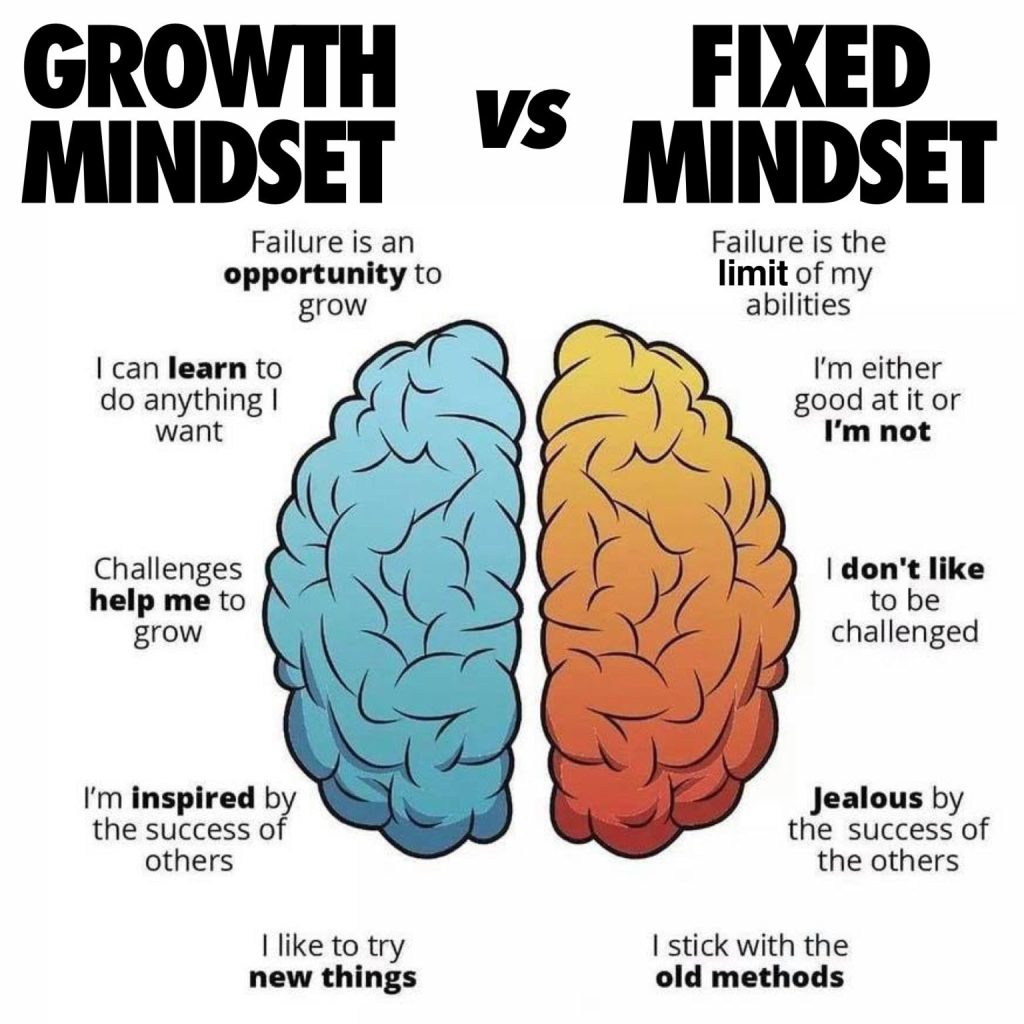
In modern life, the difference between a victim mindset and a proactive mindset is not merely theoretical but is clearly reflected in individual behavior, decisions, and outcomes. Individuals with a proactive mindset actively seek solutions when facing difficulties, learn from failures, and transform each situation into an opportunity to enhance skills and knowledge. They understand that the power to create change lies within their own thoughts, attitudes, and actions, and thus consistently maintain control and direction over outcomes.
In contrast, those with a victim mindset tend to overlook opportunities, feel unfairly treated by circumstances, and easily fall into cycles of complaining or blaming. They are often influenced by external factors and rarely take the initiative to change their approach. When faced with failure, instead of drawing lessons, they are prone to being overwhelmed by helplessness and passivity. Consequently, over the long term, proactive individuals achieve significant progress in competence, credibility, and adaptability, while passive individuals are often left behind, both personally and professionally.
This difference is also evident in social relationships and collective environments. Proactive individuals generate positive energy, foster collaboration, build trust, and create a supportive environment. In contrast, a widespread victim mindset can cultivate a culture of blame, reduce collective effectiveness, and create tension in communication.
5.2 Practical Application of a Proactive Mindset
Transitioning from a victim mindset to a proactive mindset does not occur naturally but requires specific and continuous practices. First, individuals need to recognize passive thoughts and behaviors, such as procrastination, complaining, blaming, or avoiding responsibility. The next step is to take responsibility for personal outcomes, clearly acknowledge intrinsic power in each decision, and focus energy on the Circle of Control rather than being influenced by external factors.
Everyday situations – ranging from unemployment, personal crises, work pressure, to conflicts in relationships – offer opportunities to cultivate a proactive mindset. For example, when facing work pressure, instead of complaining or blaming colleagues and circumstances, an individual can proactively plan solutions, prioritize tasks, and seek ways to improve skills. When unemployed, rather than succumbing to helplessness, one can actively pursue learning opportunities, enhance competencies, and expand networks.
Practicing a proactive mindset in such concrete situations not only helps individuals achieve positive outcomes but also develops habitual proactive behaviors, making a proactive mindset a natural part of how one approaches all challenges.
5.3 The Role of Awareness and Practice
A crucial factor in transforming from a victim mindset to a proactive mindset is the awareness of one’s ability to change personal behaviors and thought patterns. Covey emphasizes that the habit of being proactive does not form naturally but requires consistent practice, combined with self-reflection, self-assessment, and continuous adjustment of behaviors. By maintaining this process, individuals gradually build a positive personal culture, in which proactivity becomes an automatic response, reducing stress and enhancing effective decision-making.
Moreover, individual proactivity not only affects oneself but also radiates to the group and the community. A proactive person typically generates positive energy, promotes collaboration, and enhances both work performance and social relationships. When many individuals within an organization or community practice a proactive mindset, it contributes to the formation of a healthy social environment, reduces a culture of blame, and increases the collective capacity to adapt to change.
6. Conclusion
The victim mindset is a profound barrier to personal development and social progress, as it not only hinders the ability to control outcomes and make decisions but also creates a negative cycle of helplessness, complaining, and blaming. Individuals dominated by this mindset tend to miss learning opportunities, delay action, and lose adaptability in the face of changes in their environment and work.
In contrast, a proactive mindset, emphasized by Stephen R. Covey in The 7 Habits of Highly Effective People, is a key tool that enables individuals to break free from the cycle of passivity and helplessness. Being proactive is not merely positive action; it is a state of awareness in which individuals recognize their intrinsic power, control their thoughts, emotions, and behaviors, and focus their energy on factors they can influence. When practiced consistently, a proactive mindset forms the foundation for building habits, improving problem-solving skills, and guiding behavior effectively.
Developing proactive habits not only enhances personal competence, supports accurate decision-making, and improves social relationships, but also provides a sustainable foundation for adapting in today’s highly dynamic environment. Habits such as setting goals, prioritizing important tasks, and building effective collaborative relationships all contribute to strengthening a proactive mindset, thereby fostering solid self-mastery.
Awareness and practice of self-mastery are not temporary processes but long-term journeys, requiring persistence, self-reflection, and consistent exercise. This is the essential path to transform a victim mindset, maximize personal potential, and build a meaningful, proactive, and sustainable life in the modern world, where change and challenges always coexist with opportunity.